How to Get to Antarctica by Cruise: Packing Essentials for Wildlife Watching and Research Trips
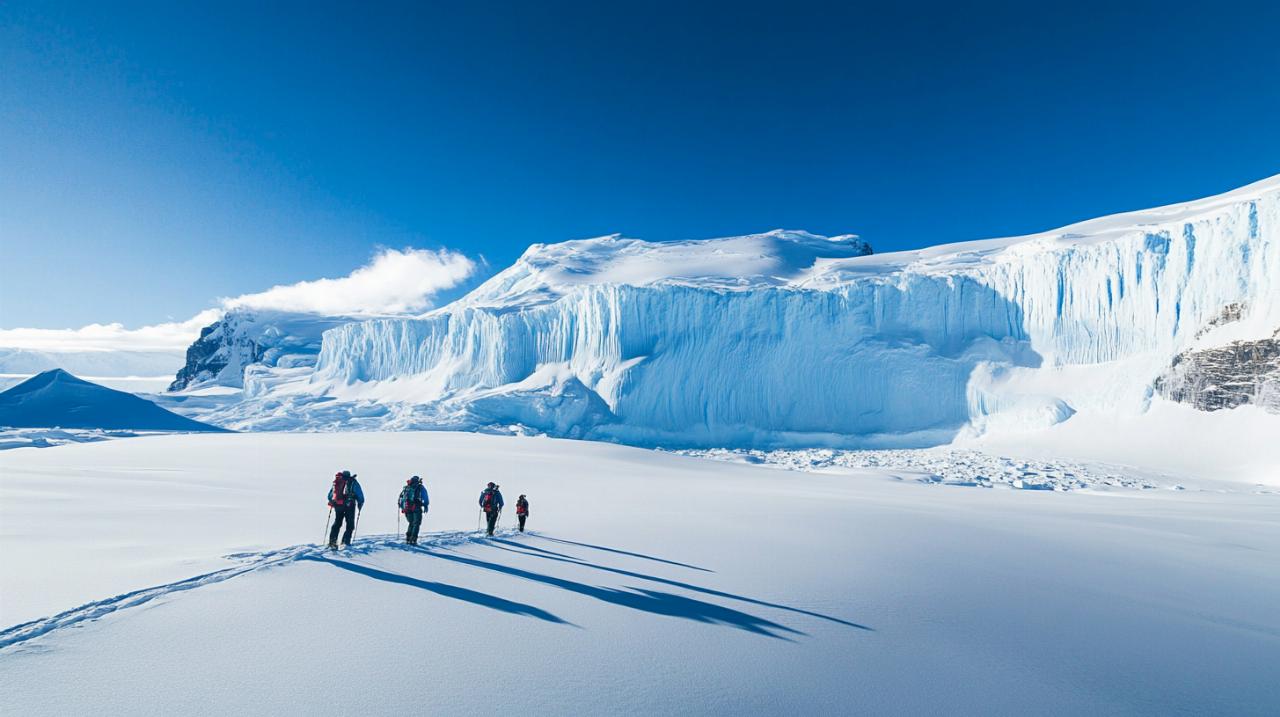
Embarking on a voyage to the frozen wilderness of Antarctica represents one of the most extraordinary travel experiences available today. This remote continent, shrouded in ice and mystery, offers intrepid travellers the chance to witness breathtaking landscapes and encounter wildlife found nowhere else on Earth. Whether you are a passionate naturalist eager to observe penguin colonies in their natural habitat or a researcher seeking to contribute to scientific studies in one of the planet's most extreme environments, preparation is paramount. Understanding what to pack and how to navigate the logistical challenges of reaching this pristine destination will ensure your Antarctic expedition is both comfortable and unforgettable.
Essential Gear and Clothing for Antarctic Expeditions
Preparing for the extreme conditions of Antarctica requires careful consideration of your wardrobe and equipment. The climate in this polar region is unforgiving, with temperatures that can fluctuate dramatically and weather conditions that shift without warning. Cruise lines often provide essential items such as a parka and waterproof trousers, which are specifically designed to withstand the harsh Antarctic environment. However, relying solely on these provisions would be unwise. Travellers must ensure they have a comprehensive selection of personal clothing and accessories to remain warm, dry, and comfortable throughout their journey.
Layering Systems and Thermal Protection for Polar Conditions
The cornerstone of staying warm in Antarctica lies in mastering the art of layering clothing. This strategy allows you to regulate your body temperature efficiently as you transition between the heated interior of your cruise ship and the icy conditions on deck or during shore excursions. Begin with thermal base layers that fit snugly against your skin, designed to wick moisture away and retain body heat. These should be complemented by athletic shirts or mid-weight tops that provide additional insulation without adding excessive bulk. Over these, fleeces and sweaters offer a crucial barrier against the cold, trapping warm air close to your body while remaining breathable enough to prevent overheating during more active moments.
Waterproof outer layers are absolutely essential for protecting yourself from the windy conditions and occasional rainy or snowy weather that characterise the region. While cruise operators typically supply waterproof trousers for landings and excursions, ensuring your jacket is both windproof and water-resistant will make a significant difference to your comfort. Do not underestimate the importance of accessories such as gloves, hats, scarves, and thermal socks. These smaller items play a vital role in preventing heat loss from extremities, which can quickly lead to discomfort or even frostbite in severe conditions. Multiple pairs of gloves are advisable, as wet gloves are not only uncomfortable but also ineffective at insulating your hands.
Sunglasses might seem an unusual recommendation for a frozen landscape, yet they are absolutely necessary due to the intense sun reflection off the snow and ice. The glare can be overwhelming and prolonged exposure without adequate eye protection can lead to painful conditions such as snow blindness. Similarly, protecting your skin is crucial. Pack high-quality lip balm and moisturiser to combat the drying effects of the cold air and prevent chapping. A reusable water bottle is also a wise addition to your kit, helping you stay hydrated in an environment where the dry air can lead to dehydration without you realising it.
Wildlife observation equipment: binoculars, cameras, and field guides
Antarctica is a paradise for wildlife enthusiasts, and having the right equipment to observe and document the incredible fauna is essential. A good quality camera is indispensable for capturing the majesty of icebergs, the playful antics of penguins, and the haunting beauty of the Antarctic landscape. Consider investing in a camera with a robust zoom lens to photograph distant subjects without disturbing them. Additionally, a GoPro or similar action camera can be invaluable during excursions, allowing you to capture immersive footage while keeping your hands free for other activities.
Binoculars are another critical piece of equipment for wildlife watching. They enable you to observe seals, sea lions, and various bird species from a respectful distance, ensuring you do not interfere with their natural behaviours. Field guides specific to Antarctic wildlife can enrich your experience by helping you identify the different species you encounter, from Adelie and Gentoo penguins to Weddell and crabeater seals. Many travellers find that keeping a journal enhances their trip, allowing them to record observations and reflections that will serve as cherished memories long after the voyage concludes.
Navigating Antarctic Waters: Cruises Through the Drake Passage and Beyond
Reaching Antarctica is an adventure in itself, with most expeditions departing from South America and crossing the notorious Drake Passage. This stretch of water, separating the southern tip of the continent from the Antarctic Peninsula, is renowned for its challenging seas and unpredictable weather. Understanding what to expect during this crossing and the destinations you will visit can help you prepare mentally and physically for the journey ahead.
Understanding Your Journey from South America to the Antarctic Peninsula
The voyage to Antarctica typically begins in the southernmost cities of Argentina or Chile, such as Ushuaia, often referred to as the end of the world. From here, cruise ships set sail across the Drake Passage, a journey that takes approximately two days each way. This body of water is infamous for its rough seas, and seasickness is a common experience for many passengers. It is advisable to bring appropriate medication and remedies to manage symptoms, as the crossing can be quite turbulent. Despite the challenges, the Drake Passage is also a place of extraordinary natural beauty, where albatrosses glide effortlessly over the waves and the anticipation of reaching the frozen continent builds with each passing hour.
The best time to undertake this journey is during the austral summer, which spans from mid-October to February. During these months, temperatures in Antarctica can reach the mid-40s degrees Fahrenheit, making conditions relatively mild for this polar region. However, travellers should still be prepared for windy, rainy, or snowy weather at any time. The extended daylight hours of the Antarctic summer provide ample opportunity for excursions and wildlife observation, maximising the value of your expedition.
Key destinations: deception island, shetland islands, and lockroy port
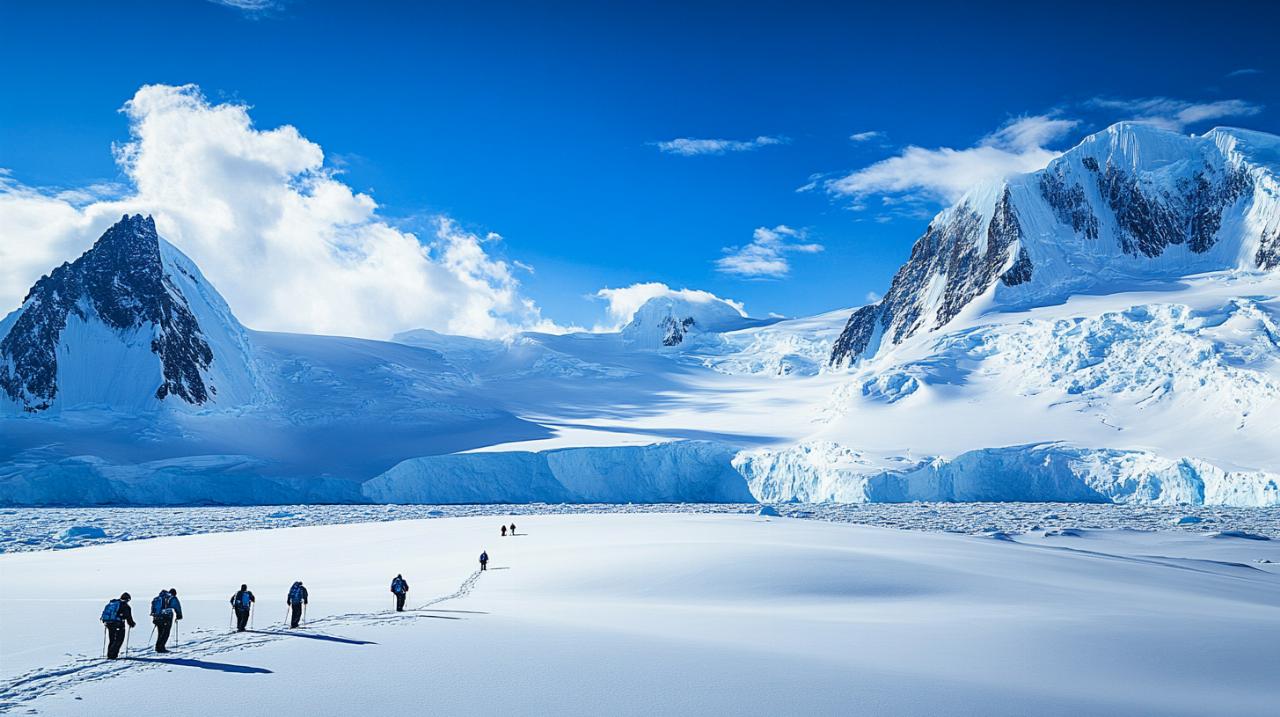
Once you have successfully navigated the Drake Passage, the real magic of Antarctica begins to unfold. The Antarctic Peninsula and its surrounding islands offer a wealth of stunning locations to explore, each with its own unique character and wildlife. The Shetland Islands, located just off the northern tip of the peninsula, are often among the first stops on an Antarctic cruise. These islands are home to large penguin colonies and offer dramatic volcanic landscapes that contrast sharply with the icy surroundings.
Deception Island is a particularly fascinating destination, a volcanic caldera that can be entered by ship through a narrow channel. The island's geothermal activity creates an otherworldly landscape of steaming beaches and warm waters, a stark contrast to the frigid environment elsewhere. Visitors can explore abandoned whaling stations and research bases, gaining insight into the history of human activity in this remote region. Port Lockroy, another popular stop, is a British research station that now serves as a museum and post office. Sending a postcard from this historic site is a cherished tradition among Antarctic travellers, and the resident penguin colony ensures that there is never a dull moment.
Wildlife Encounters and Research Opportunities in Antarctica
The primary draw for many visitors to Antarctica is the opportunity to witness its incredible wildlife in their natural habitat. From bustling penguin colonies to elusive marine mammals, the Antarctic ecosystem is both fragile and awe-inspiring. For researchers, the continent offers unparalleled opportunities to conduct scientific studies in one of the least disturbed environments on the planet.
Observing penguin colonies: adelie, gentoo, and chinstrap species
Penguins are undoubtedly the stars of any Antarctic expedition, and observing these charismatic birds as they go about their daily lives is an unforgettable experience. The Antarctic Peninsula and surrounding islands are home to several species, each with distinct behaviours and characteristics. Adelie penguins, with their classic tuxedo appearance and curious nature, are often found in large colonies on rocky shores. They are energetic and entertaining to watch, particularly during the breeding season when they engage in elaborate courtship displays.
Gentoo penguins are slightly larger and can be identified by the distinctive white patch above their eyes. They are the fastest swimmers among penguins and are often seen porpoising through the water as they hunt for fish. Chinstrap penguins, named for the narrow black band under their heads, are equally captivating and tend to nest on steep, icy slopes. Observing these different species in their natural environment provides insight into their adaptations to the harsh Antarctic climate and the delicate balance of the ecosystem they inhabit.
Marine Mammals and Scientific Studies: Seals, Sea Lions, and University Collaborations
In addition to penguins, Antarctica is home to a variety of marine mammals that play crucial roles in the polar food web. Weddell seals are commonly spotted lounging on ice floes, their large, soulful eyes and gentle demeanour making them a favourite among visitors. Crabeater seals, despite their name, primarily feed on krill and are the most abundant seal species in the region. Sea lions, though less common in the deeper Antarctic waters, can occasionally be observed in the sub-Antarctic islands.
For researchers and those affiliated with universities, Antarctica offers a living laboratory for studying climate change, glaciology, marine biology, and a host of other disciplines. Many expeditions include opportunities to engage with scientists conducting fieldwork, providing a deeper understanding of the research being undertaken. Academic journals frequently publish findings from Antarctic studies, contributing to our knowledge of global environmental processes and the impacts of human activity on remote ecosystems. For couples seeking a unique and intellectually stimulating adventure, combining tourism with participation in or observation of scientific research can add an enriching dimension to the journey.
Throughout your Antarctic expedition, whether you are marvelling at the pristine beauty of towering icebergs, photographing a penguin colony, or learning about cutting-edge research, the experience is bound to leave a lasting impression. Proper preparation, from packing the right clothing and equipment to understanding the logistics of your cruise, ensures that you can fully immerse yourself in the wonders of this extraordinary continent. Antarctica is not merely a destination; it is a transformative journey that offers a rare glimpse into one of the last truly wild places on Earth.
 Traveling during the pandemic
 Best cities to visit
 Tips to save money when traveling
 Taking a vacation after a long work year.
 Discover the Var region
 Why Choose Fuerteventura as Your Next Holiday Destination?
 Why Choose Tulum for Your Bachelorette Party?
 Yacht: Play the Originality Card on Vacation
 Professions That Accompany People During Their Holidays
 Preventing and Resolving Travel Disputes: Tips for a Worry-Free Adventure Organization
 10 Sustainable Travel Destinations for Eco-Conscious Explorers
 Discover Vibrant LGBTQ+ Culture in Buenos Aires
 Discover the Charm of Vacation Rentals in Sicily for an Unforgettable Holiday
 Discover top tropical destinations for your next travel adventure
 Exploring Torremolinos: Top Activities for a Memorable Spain Holiday
 Essential tips for starting your own travel blog
 Discovering the Latest Tech Gadgets for Enhancing Travel Accessories
 Azureva vs. The Competition: Finding Your Perfect All-Inclusive French Holiday Village in 2026
 Explore the Thrill of a Motorcycle Road Trip Across Continents
 A Traveller’s Guide to San Francisco: The Best and Worst Neighbourhoods for Art & Travel Around Golden Gate Park’s Cultural Scene
 Mappy Itinerary: Calculate Your Travel Route in Paris and Its Districts and Navigate Between Family Activities with Ease
 7 Visits to Unusual Places to Do in Rome (+1 Bonus): Uncovering Secret Spots Away from Tourist Museums
 Surfing in Indonesia: Discover Watu Karung Beach – What Makes This Hidden Gem Perfect for Wave Riders
 Discover The Best Fishing Spots in Ireland: From Wild Atlantic Salmon to Trophy Pike in Hidden Loughs
 South african currency: what to know before your cape town adventure – the rand’s historical context
 Beyond the Beaches: Discovering Phuket’s Rooftop Bars and Nightlife Scene on Bangla Road
 The Fruits of Martinique: A Tropical Treasure to Discover in Vitamin-Rich Traditional Drinks
 Camping holidays archives – travel escape: what pet owners must know before booking their next adventure