
Redefining Connection: Meal with Locals – Review the Definition of Authentic Culinary Storytelling
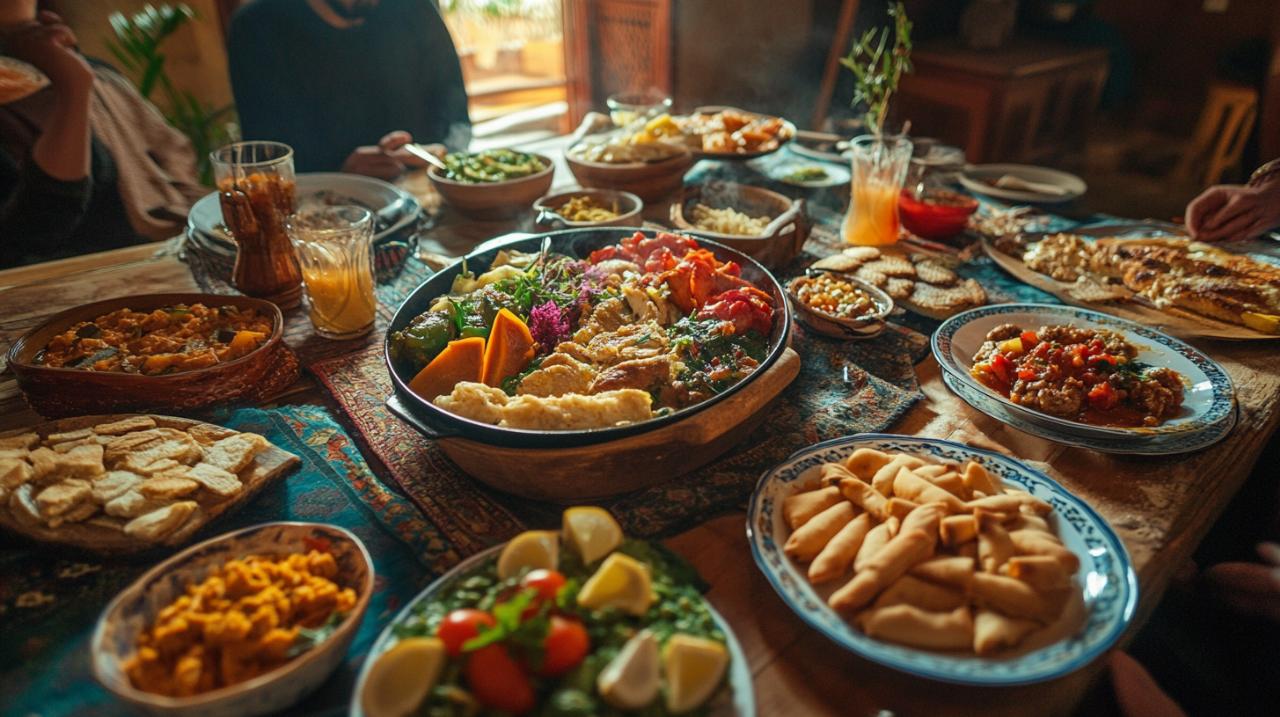
There is something utterly transformative about sitting down to a meal prepared by someone whose connection to the food runs deeper than skill or profession. It is in these moments, far removed from the polished choreography of dining establishments, that one begins to understand how breaking bread with strangers can shift from a mere activity into something profoundly human. The notion of sharing a meal with locals has been repackaged, marketed, and sold countless times, yet the essence of what makes such encounters genuinely meaningful often remains misunderstood or diluted. To truly grasp authentic culinary storytelling, one must first strip away the veneer of tourism and examine what happens when food becomes the medium through which people genuinely see one another.
Beyond the tourist table: what genuine food encounters actually mean
The gap between marketed experiences and real human exchange
The language surrounding authentic food experiences has become so saturated with buzzwords that it risks losing its meaning altogether. Travellers are promised immersion, connection, and cultural insight, yet what they often receive is a carefully curated performance designed to tick boxes rather than forge bonds. Commercialisation has crept into even the most seemingly intimate settings, transforming what should be spontaneous exchanges into transactions where authenticity is staged rather than lived. The irony is that the very act of packaging these moments for consumption can strip them of the vulnerability and unpredictability that make them valuable in the first place. When a meal is sold as an experience, there is always a risk that the host is performing hospitality rather than offering it freely, and the guest becomes a spectator rather than a participant.
This gap between what is marketed and what is real is not always intentional. Many culinary tours and organised encounters do attempt to honour the spirit of connection, yet the structure itself can impose limitations. A carefully timed itinerary, a predetermined menu, and the presence of a guide mediating every interaction inevitably introduce a layer of separation. The Chef's Tours, for instance, offers trips to places like Paris, Seville, Berlin, and Mexico City to discover authentic food, and while these journeys can be enriching, they cannot replicate the spontaneity of being invited into someone's home without agenda or schedule. The difference lies not in the quality of the food or the knowledge shared, but in the freedom to linger, to ask uncomfortable questions, to admit ignorance, and to stumble through conversation without the safety net of a professional facilitator.
Why your kitchen table holds more stories than any restaurant menu
The kitchen table, with its scuffed surface and mismatched chairs, is where the real narratives reside. It is where mothers adjust recipes on instinct, where grandmothers pass down techniques that have never been written down, and where family arguments unfold alongside the chopping of vegetables. These are the spaces where food is not merely prepared but lived, where every dish carries the weight of memory, necessity, and tradition. A restaurant, no matter how skilled its chefs or how thoughtfully sourced its ingredients, operates within a different paradigm. It exists to serve, to impress, to execute. The home kitchen exists simply to feed, and in that unadorned purpose lies a depth that commercial spaces struggle to replicate.
What makes the kitchen table so rich with storytelling potential is its lack of pretence. There is no need to justify choices or explain philosophy because the food speaks for itself through its very ordinariness. A stew that has simmered for hours, a loaf of bread that has been shaped by the same hands for decades, a jar of preserves made from fruit grown in the garden—these are not showpieces but sustenance, and their stories are told not through grand gestures but through quiet, repeated acts of care. When a visitor is invited to partake in such a meal, they are not being offered a performance but a glimpse into the rhythm of daily life, and that is where cultural connection begins to take root.
The Anatomy of Sharing a Proper Meal: What Makes Connection Authentic
Recognising the Difference Between Performance and Presence
Authenticity in any shared meal hinges on the quality of presence rather than the quality of presentation. A truly genuine encounter is one where the host is as curious about the guest as the guest is about the host, where conversation meanders without purpose, and where silences are comfortable rather than awkward. Performance, by contrast, is marked by a need to fill every moment with information, to demonstrate expertise, and to ensure the guest leaves satisfied in a transactional sense. The difference is subtle but unmistakable. In one scenario, the food is a conduit for relationship; in the other, it is a product being delivered.
This distinction becomes particularly important when considering the role of chefs and food makers in shaping these experiences. Chefs share their stories and skills, making the experience personal, but the context in which this sharing occurs matters enormously. A chef working within a commercial framework, even one committed to authenticity, must balance artistic vision with customer expectations, profitability, and reputation. A home cook, on the other hand, is accountable only to their own taste, their family's preferences, and the resources at hand. There is no menu to perfect, no reviews to worry about, no brand to uphold. The vulnerability inherent in inviting someone into that unpolished space is what makes the exchange feel real.
How food becomes language when hospitality isn't transactional
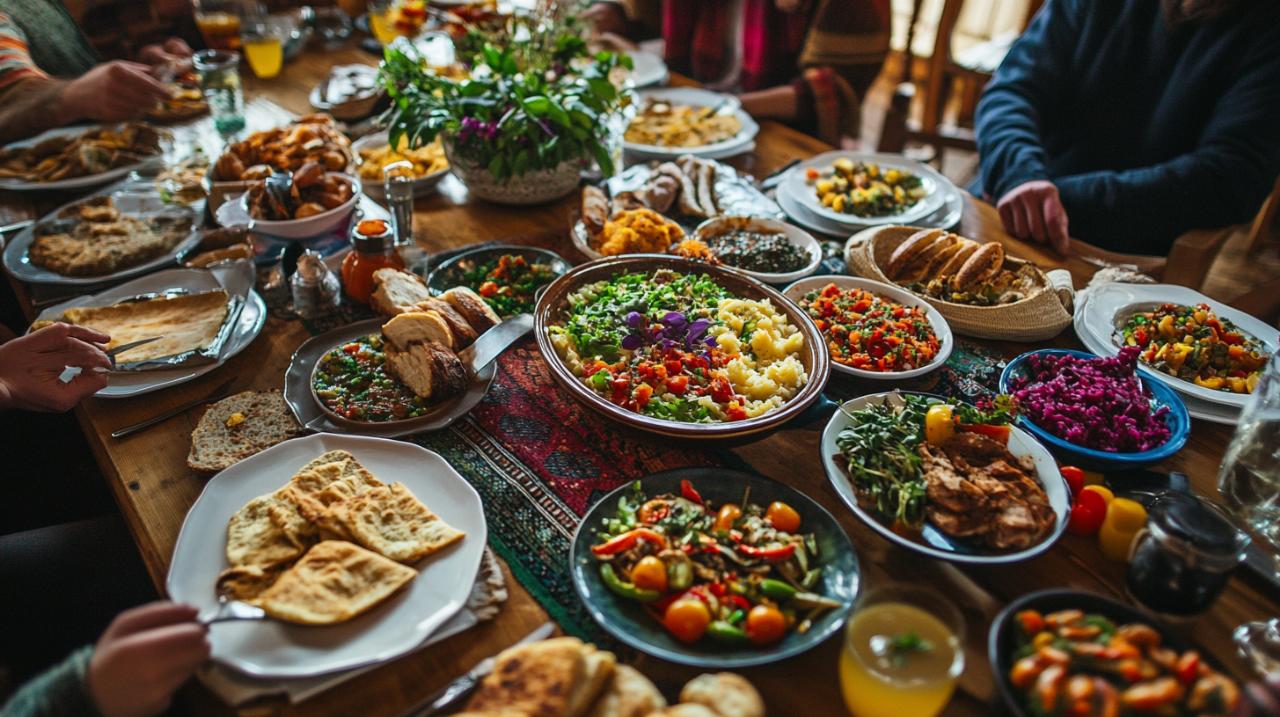
When hospitality is offered without expectation of payment or reciprocity, food takes on a different character entirely. It becomes a language through which values, history, and identity are communicated. The choice to serve a particular dish, to use a certain ingredient, or to prepare something in a specific way is not arbitrary; it is a statement of who the cook is, where they come from, and what they hold dear. This is especially true when local ingredients show off a region's heritage, grounding the meal in a sense of place that no imported luxury could replicate.
The act of sharing food in this way requires trust on both sides. The host must trust that the guest will receive their offering with respect and curiosity, even if it is unfamiliar or challenging. The guest must trust that what is being shared is genuine, that the stories being told are not rehearsed, and that the invitation is sincere. This mutual vulnerability is what elevates a meal from an event into a form of storytelling. Every bite becomes a chapter, every conversation a footnote, and by the end, both parties have exchanged something far more valuable than information—they have exchanged a piece of themselves.
Culinary Storytelling Through the Lens of Lived Experience
What home cooks reveal that professional chefs cannot
Professional chefs possess technical mastery, creativity, and a deep understanding of flavour, but home cooks offer something that cannot be taught in a culinary school. They reveal the compromises, the improvisations, and the adaptations that come from cooking within constraints. They show how a recipe evolves when a particular ingredient is unavailable, how a dish changes with the seasons, and how tradition bends under the pressure of modern life. These are the stories that rarely make it into cookbooks or onto menus, yet they are the ones that most accurately reflect how people actually eat.
Home cooks also operate without the luxury of pretending that food exists in isolation from the rest of life. Their kitchens are spaces where children do homework, where bills are paid, where arguments are resolved, and where celebrations unfold. The food that emerges from such spaces is inseparable from these contexts, and understanding the story behind the food means understanding the lives that shape it. A professional chef might explain the provenance of an ingredient or the technique behind a preparation, but a home cook will tell you why their grandmother insisted on stirring in a particular direction, or why a certain dish is never made except on a specific day of the year. These are the narratives that give food its emotional weight.
The Unspoken Narratives Found in Family Recipes and Shared Plates
Family recipes are repositories of history, often carrying within them the traces of migration, hardship, celebration, and change. A dish that has been passed down through generations may have originated in one country, been adapted in another, and evolved further with each new cook who inherited it. These recipes are rarely static; they shift and morph in response to availability, taste, and circumstance, yet they retain a core identity that ties them to their origins. To be invited to taste such a dish is to be granted access to a lineage, to a story that stretches back beyond the individual cook and touches on something collective and enduring.
Shared plates, too, carry their own unspoken narratives. The way food is served—whether passed around a table, ladled from a communal pot, or arranged individually—reflects cultural norms around generosity, hierarchy, and intimacy. The pace at which a meal unfolds, the order in which dishes appear, and the rituals that surround eating all communicate values and assumptions that are rarely articulated but deeply felt. Meeting the chefs and food makers in their own environments allows these subtleties to surface, revealing layers of meaning that would be invisible in a more formalised setting. It is in these quiet, unremarkable moments that authentic food experiences are more than just eating; they're about connecting with culture in a way that transcends language and defies easy commodification.
 Traveling during the pandemic
 Best cities to visit
 Tips to save money when traveling
 Taking a vacation after a long work year.
 Costa Rica rental car with Jumbocar; Way to enhance your travel experience?
 Why Choose Fuerteventura as Your Next Holiday Destination?
 Why Choose Tulum for Your Bachelorette Party?
 Preventing and Resolving Travel Disputes: Tips for a Worry-Free Adventure Organization
 10 Sustainable Travel Destinations for Eco-Conscious Explorers
 Discover Vibrant LGBTQ+ Culture in Buenos Aires
 Discover the Charm of Vacation Rentals in Sicily for an Unforgettable Holiday
 Discover top tropical destinations for your next travel adventure
 Discover Eco-Friendly Lodging Options in Guadeloupe for Your Next Vacation
 Discover the Ultimate Adventure Travel Guide for Family Adventures Across Europe
 Essential tips for starting your own travel blog
 Discovering the Latest Tech Gadgets for Enhancing Travel Accessories
 Azureva vs. The Competition: Finding Your Perfect All-Inclusive French Holiday Village in 2026
 Explore the Thrill of a Motorcycle Road Trip Across Continents
 A Traveller’s Guide to San Francisco: The Best and Worst Neighbourhoods for Art & Travel Around Golden Gate Park’s Cultural Scene
 Mappy Itinerary: Calculate Your Travel Route in Paris and Its Districts and Navigate Between Family Activities with Ease
 Camping in Tangier, Morocco: Everything you need to know for a successful camping trip – The ultimate guide to camping kit for Morocco’s coastal paradise
 7 Visits to Unusual Places to Do in Rome (+1 Bonus): Uncovering Secret Spots Away from Tourist Museums
 Travel-Inspired Interior Design Ideas for Creating a Relaxing Home Environment
 Discover Brilliant Activities and Great Deals for Your Holidays in Andorra This Winter Season
 Surfing in Indonesia: Discover Watu Karung Beach – What Makes This Hidden Gem Perfect for Wave Riders
 Discover The Best Fishing Spots in Ireland: From Wild Atlantic Salmon to Trophy Pike in Hidden Loughs
 South african currency: what to know before your cape town adventure – the rand’s historical context
 Beyond the Beaches: Discovering Phuket’s Rooftop Bars and Nightlife Scene on Bangla Road