Surfing in Indonesia: Discover Watu Karung Beach – What Makes This Hidden Gem Perfect for Wave Riders
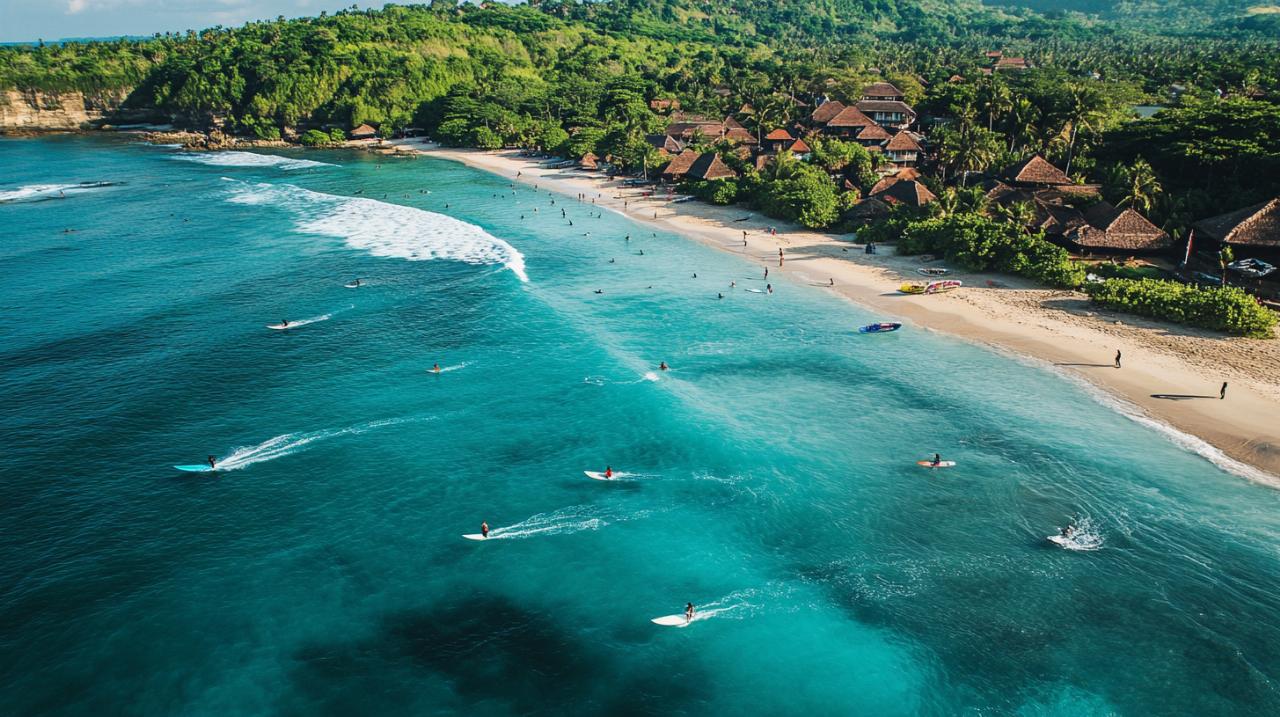
Indonesia has long captivated wave riders with its legendary breaks, yet whilst Bali continues to draw throngs of enthusiasts, a quieter chapter unfolds along East Java's rugged shoreline. Tucked away in Pacitan, Watu Karung Beach emerges as a compelling alternative for those seeking both challenge and serenity. This stretch of coastline, often dubbed the Hawaii of Java, delivers powerful swells and dramatic scenery without the overcrowded lineups that characterise more famous Indonesian surf destinations.
The untamed coastline: why watu karung stands apart from bali's crowds
Whilst Bali's established surf spots remain perpetually busy, Watu Karung offers a refreshing contrast. Positioned on Java's southern coast, this surf spot faces the vast expanse of the Indian Ocean, which sends consistent swells rolling towards its shores. The beach itself is framed by verdant hills and white sand interspersed with coral rocks, creating a picturesque backdrop that feels worlds away from the commercialised beaches further west. The growing popularity of this location has done little to diminish its peaceful atmosphere, as it remains relatively untouched compared to its Balinese counterparts.
Remote location and pristine wave quality
Reaching Watu Karung requires a commitment that filters out casual visitors. The journey typically begins with a flight into Bali airport, followed by a lengthy car or bus ride eastward through rural Java. This remoteness, however, is precisely what preserves the area's charm. The waves here break over a shallow reef, producing barrels and fast walls that demand respect and skill. Swells generated by the Indian Ocean arrive with remarkable power and consistency, whilst the prevailing southeast wind grooms the faces into clean, rideable lines. The coral reef structure beneath creates several distinct breaks, each offering unique characteristics that cater to different surfing styles and abilities.
Seasonal conditions and optimal surfing windows
Timing your visit correctly makes an enormous difference to the quality of your sessions. The dry season surfing period, stretching from April to October, delivers the most favourable conditions. During these months, offshore winds blow from the southeast, holding up the wave faces and creating the hollow sections that advanced surfers crave. The swell direction predominantly arrives from the south, funnelling energy directly into the reef systems that define this coastline. May to October represents the absolute peak season, when the combination of swell size, wind direction, and weather patterns align to produce world-class conditions. Outside this window, the monsoon season brings onshore winds and less predictable swells, though experienced surfers can still find rideable waves during brief weather windows.
Wave Characteristics and Skill Requirements at Watu Karung
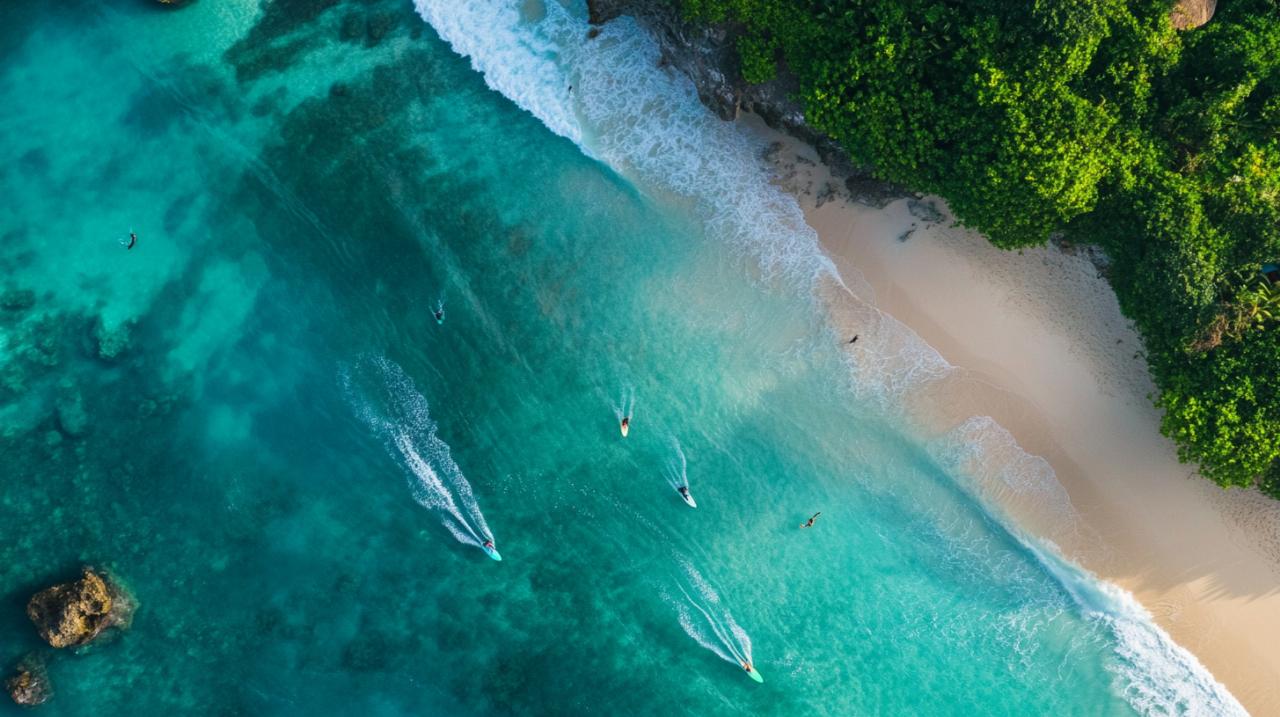
Understanding the varied breaks along this stretch of coast helps surfers select the right spot for their ability level. The area features an impressive range of wave types, including right-hand reef breaks, left-hand breaks, and more forgiving beach breaks. The most renowned sections have acquired local names that reflect their character and challenge level.
Reef break dynamics and tide considerations
The Ledge stands as the most demanding break, reserved strictly for advanced surfers who can handle shallow reef takeoffs and powerful barrels. This reef break demands precise positioning and quick reflexes, as the wave jacks up suddenly before pitching over a barely submerged coral shelf. The Point offers intermediate surfers a slightly more forgiving reef break, though it still requires solid technical skills and awareness of the reef below. Meanwhile, The Bay provides a beach break option where beginners can develop their skills on softer, more predictable waves. Tide plays a crucial role across all these breaks. High tide can bring strong currents, particularly when combined with robust winds, whilst mid to low tide often reveals the reef's true character, creating those sought-after hollow sections. Shortboards ranging from five foot six inches to six foot four inches work best here, offering the manoeuvrability needed to navigate the fast, steep faces and tight barrel sections.
Suitable experience levels and safety precautions
Watu Karung demands honest self-assessment from visiting surfers. The powerful waves, strong currents, and sharp reefs create hazards that can quickly overwhelm those unprepared for such conditions. Always surf within your limits, and if uncertain about tackling the reef breaks, spend time observing experienced locals before paddling out. A leash is absolutely essential, preventing your board from becoming a dangerous projectile in the impact zone. Many surfers opt for a wetsuit despite the tropical climate, as it provides valuable protection against reef scrapes during wipeouts. Paddling wide of the main takeoff zone helps avoid interfering with surfers already committed to waves, whilst the fundamental principle of not dropping in on another rider's wave remains paramount. Respecting the locals who surf these breaks year-round ensures harmonious sessions and often leads to valuable advice about conditions, currents, and hidden hazards. The emergency number throughout Indonesia is 112, which should be stored in your phone before heading to such remote locations. Understanding surf etiquette extends beyond wave priority; it encompasses caring for this pristine environment by never littering and leaving the beach as immaculate as you found it.
Practical arrangements for reaching this east javan paradise
Logistics matter significantly when planning a surf trip to such a remote destination. Proper preparation ensures you spend maximum time in the water rather than dealing with avoidable complications.
Transport Options and Journey Planning from Major Cities
Most international visitors arrive via Bali's airport before embarking on the overland journey to Pacitan in East Java. The drive spans several hours through varied landscapes, transitioning from Bali's tourist infrastructure through rural Java's rice paddies and volcanic foothills. Hiring a private car offers flexibility and comfort, allowing stops along the route to break up the journey. Alternatively, public buses run between major centres, though these require more time and patience. The final approach to Watu Karung follows Magelang Street towards the coast, eventually reaching the beach area where accommodation clusters near the surf breaks. Having a local contact or guide can prove invaluable, as signage may be limited and language barriers can complicate navigation in rural areas.
Accommodation Choices and Local Amenities Near the Beach
Accommodation options span a broad spectrum, from simple homestays offering authentic local experiences to more comfortable resorts with modern amenities. Villas located in Ketro, Watukarung provide convenient access to the breaks whilst offering greater privacy and comfort. Staying in locally-run homestays not only reduces costs but also supports the community and provides insights into Javanese culture that larger resorts cannot match. Surf equipment hire is available near the beach, though serious surfers typically bring their own boards to ensure they have the right dimensions and characteristics for the conditions. Dining options include traditional establishments such as Warung Mbah Marto and Cafe 77, where you can sample authentic Indonesian cuisine after long sessions in the water. Beyond surfing, the area offers several local temples worth visiting, providing cultural context and stunning architecture that reflects Java's rich heritage. Sunrise and sunset at Watu Karung deliver spectacular displays of colour across the sky, with the silhouettes of surfers and fishing boats creating memorable photographic opportunities. This combination of world-class waves, unspoilt scenery, and genuine local culture establishes Watu Karung as a destination that rewards those willing to venture beyond Indonesia's better-known surf spots.
 Best cities to visit
 Tips to save money when traveling
 Taking a vacation after a long work year.
 Discover the Var region
 USA: THE NEW APPLICATION TO MEET YOUR TRANSGENDER CRUSH
 The top tropical vacation destination
 Why Choose Tulum for Your Bachelorette Party?
 Yacht: Play the Originality Card on Vacation
 Professions That Accompany People During Their Holidays
 Mountain Vacations: What Can You Expect From Your Rental in the French Alps?
 Discover Europe on a Motorcycle: A Royal Enfield Adventure
 Preventing and Resolving Travel Disputes: Tips for a Worry-Free Adventure Organization
 Discover Vibrant LGBTQ+ Culture in Buenos Aires
 Discover the Charm of Vacation Rentals in Sicily for an Unforgettable Holiday
 Essential Hotel Hygiene Tips for a Safe Stay in Hammamet
 Discover top tropical destinations for your next travel adventure
 Exploring Torremolinos: Top Activities for a Memorable Spain Holiday
 Discover the Best Beach Hotels in Spain for Your Next Relaxing Getaway
 Discover charming boutique hotels in seville province
 Discover Eco-Friendly Lodging Options in Guadeloupe for Your Next Vacation
 Discovering the Latest Tech Gadgets for Enhancing Travel Accessories
 A Traveller’s Guide to San Francisco: The Best and Worst Neighbourhoods for Art & Travel Around Golden Gate Park’s Cultural Scene
 Mappy Itinerary: Calculate Your Travel Route in Paris and Its Districts and Navigate Between Family Activities with Ease
 Best Self-Inflating Camping Mattresses 2023: Sleep Like You’re on a Cloud in the Wild – Choosing the Right Size for Maximum Comfort
 7 Visits to Unusual Places to Do in Rome (+1 Bonus): Uncovering Secret Spots Away from Tourist Museums
 Travel in March to Italy: The Weather and Must-Visit Destinations in Spring – Combining Culture with Wellness in Florence and Beyond
 Travel-Inspired Interior Design Ideas for Creating a Relaxing Home Environment
 Discover Brilliant Activities and Great Deals for Your Holidays in Andorra This Winter Season