
The Fruits of Martinique: A Tropical Treasure to Discover in Vitamin-Rich Traditional Drinks
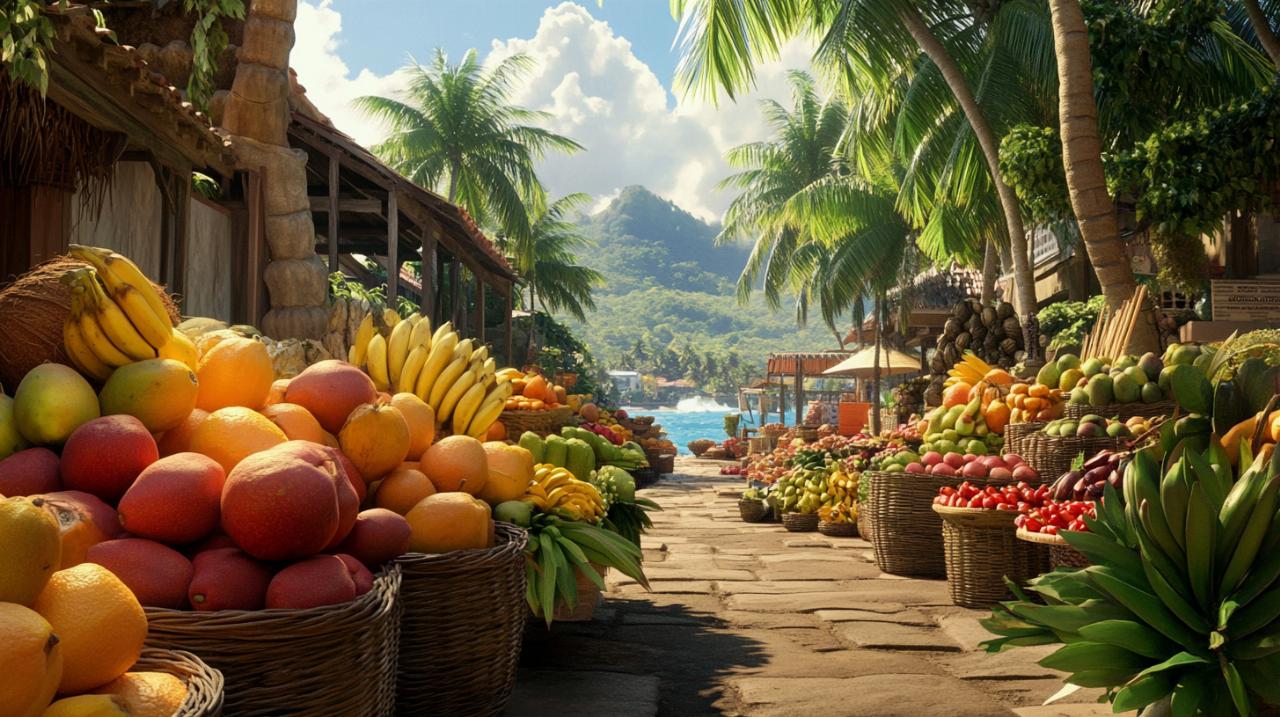
The Caribbean island of Martinique offers far more than stunning beaches and vibrant culture. Among its most cherished treasures are the luscious tropical fruits that flourish in the warm, sun-drenched climate. These fruits not only tantalize the taste buds but also deliver remarkable health benefits, often showcased in traditional beverages that have nourished generations. From the bustling local markets to roadside vendors, the island's fruit culture is a living testament to both botanical diversity and culinary creativity. Whether enjoyed fresh, blended into tropical drinks, or incorporated into Caribbean desserts, Martinican fruits provide a delicious gateway to understanding the island's rich agricultural heritage.
Martinique's exotic fruits: a heritage of tropical abundance
The Historical Cultivation and Agricultural Traditions of Martinican Fruits
The cultivation of tropical fruits in Martinique is deeply rooted in centuries of agricultural tradition. The island's fertile volcanic soil and favourable climate have long supported a thriving fruit industry. Early settlers recognised the potential of these lands, introducing new species alongside those already present, creating a unique tapestry of flavours. Over time, families passed down knowledge of growing and harvesting, ensuring that techniques evolved while respecting the rhythms of nature. Today, farmers continue to nurture orchards and smallholdings, maintaining practices that honour both the environment and the island's cultural identity. This dedication has made Martinique a celebrated source of exotic produce, admired not only within the Caribbean but also among cruise destinations and tropical destinations worldwide.
Indigenous and Introduced Species: The Botanical Diversity of the Island
Martinique boasts an impressive array of both indigenous and introduced fruit species. Classic Caribbean fruits such as mango, guava, papaya, coconut, and passionfruit thrive here, each contributing its distinct taste and nutritional profile. Alongside these familiar favourites, the island is home to unique varieties including ackee, breadfruit, tamarind, starfruit, soursop, mamoncillo, sapodilla, and sugar apple. This botanical diversity reflects centuries of cultural exchange and agricultural experimentation. The combination of native species and those brought from other tropical regions has resulted in a vibrant palette of flavours and textures. Visitors exploring local markets often marvel at the sheer variety available, with each fruit telling a story of adaptation, cultivation, and community.
Nutritional Properties and Health Benefits of Martinique's Tropical Fruits
Vitamin Content and Immune System Support from Caribbean Produce
The tropical fruits of Martinique are not merely delightful to eat; they are powerhouses of nutrition. Many of these fruits are rich in vitamins, particularly vitamin C, which plays a crucial role in supporting the immune system. Guava, for instance, is renowned for its exceptionally high vitamin content, while papaya offers a generous dose of vitamins A and C. These nutrients help the body defend against illness and promote overall well-being. Consuming such fruits regularly can contribute to a balanced diet, providing natural sources of energy and vitality. The late summer to fall season is particularly rewarding for fruit enthusiasts, as this is when guava and mamoncillo reach their peak ripeness, offering maximum flavour and nutritional benefit.
Antioxidants, Minerals, and Phytonutrients in Traditional Martinican Fruits
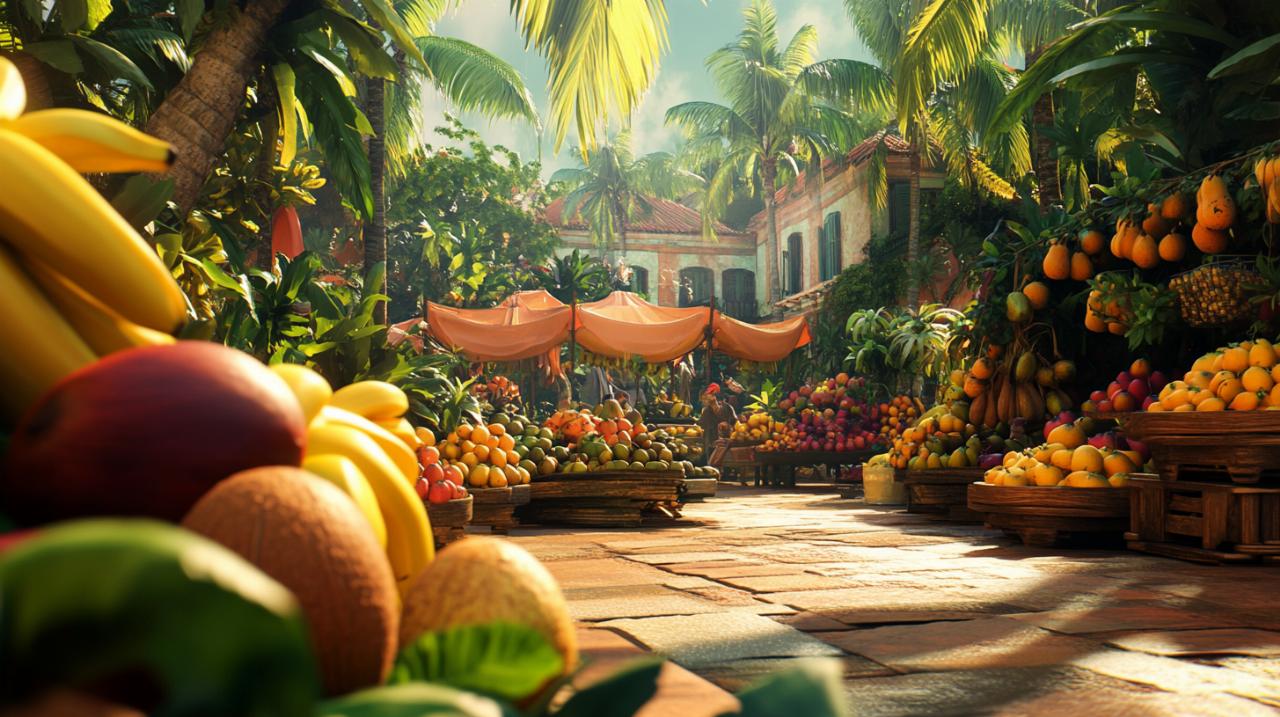
Beyond vitamins, the fruits of Martinique are abundant in antioxidants, minerals, and phytonutrients that support various aspects of health. Soursop, for example, contains compounds believed to possess antioxidant properties, which may help protect cells from damage. Coconut provides essential minerals and healthy fats, while passionfruit delivers dietary fibre and beneficial plant compounds. Tamarind and starfruit add further diversity, each bringing unique phytonutrients to the table. These components work together to promote digestive health, enhance skin vitality, and support metabolic functions. The traditional practice of consuming these fruits, whether fresh or in beverages, reflects an intuitive understanding of their health-giving qualities, a wisdom that modern science continues to validate.
Traditional Beverages and Culinary Applications of Martinican Fruits
Popular fruit-based drinks: punches, juices, and refreshing preparations
In Martinique, fruits are often transformed into vibrant, refreshing drinks that are as nutritious as they are delicious. Traditional punches and juices made from mango, guava, and passionfruit are staples at celebrations and everyday gatherings alike. These tropical drinks capture the essence of the island, blending sweetness with subtle tanginess. Roadside vendors frequently offer freshly pressed juices, inviting both locals and visitors to experience the pure, unadulterated flavours of the season. Tropical cocktails, too, have become a hallmark of Caribbean hospitality, with bartenders skilfully incorporating fruits like soursop and mamoncillo to create memorable concoctions. Aboard cruise ships exploring the region, passengers can sample these beverages, gaining a taste of Martinique's authentic culinary traditions.
Incorporating Local Fruits into Martinican Cuisine and Daily Diet
Beyond beverages, the fruits of Martinique play an integral role in the island's cuisine. Caribbean desserts often feature mango, papaya, and sugar apple, transformed into tarts, compotes, and creamy custards. Breadfruit, though not sweet, is a versatile staple that complements savoury dishes, while tamarind adds a distinctive tartness to sauces and chutneys. The daily diet of many Martinicans includes fresh fruit as a natural source of energy and nourishment, reflecting a lifestyle closely connected to the land. Local markets remain central to this culture, offering a sensory feast of colours, aromas, and tastes. By choosing seasonal fruits and supporting local growers, residents and visitors alike participate in a sustainable food system that honours tradition while embracing the richness of tropical abundance.
 Traveling during the pandemic
 Best cities to visit
 Tips to save money when traveling
 Taking a vacation after a long work year.
 Discover the Var region
 USA: THE NEW APPLICATION TO MEET YOUR TRANSGENDER CRUSH
 Why Choose Tulum for Your Bachelorette Party?
 Yacht: Play the Originality Card on Vacation
 Professions That Accompany People During Their Holidays
 Mountain Vacations: What Can You Expect From Your Rental in the French Alps?
 Preventing and Resolving Travel Disputes: Tips for a Worry-Free Adventure Organization
 Discover Vibrant LGBTQ+ Culture in Buenos Aires
 Discover the Charm of Vacation Rentals in Sicily for an Unforgettable Holiday
 Essential Hotel Hygiene Tips for a Safe Stay in Hammamet
 Discover top tropical destinations for your next travel adventure
 Exploring Torremolinos: Top Activities for a Memorable Spain Holiday
 Discover the Best Beach Hotels in Spain for Your Next Relaxing Getaway
 Essential tips for starting your own travel blog
 Discovering the Latest Tech Gadgets for Enhancing Travel Accessories
 Explore the Thrill of a Motorcycle Road Trip Across Continents
 A Traveller’s Guide to San Francisco: The Best and Worst Neighbourhoods for Art & Travel Around Golden Gate Park’s Cultural Scene
 Mappy Itinerary: Calculate Your Travel Route in Paris and Its Districts and Navigate Between Family Activities with Ease
 7 Visits to Unusual Places to Do in Rome (+1 Bonus): Uncovering Secret Spots Away from Tourist Museums
 Travel in March to Italy: The Weather and Must-Visit Destinations in Spring – Combining Culture with Wellness in Florence and Beyond
 Surfing in Indonesia: Discover Watu Karung Beach – What Makes This Hidden Gem Perfect for Wave Riders
 Discover The Best Fishing Spots in Ireland: From Wild Atlantic Salmon to Trophy Pike in Hidden Loughs
 South african currency: what to know before your cape town adventure – the rand’s historical context
 Beyond the Beaches: Discovering Phuket’s Rooftop Bars and Nightlife Scene on Bangla Road