7 Visits to Unusual Places to Do in Rome (+1 Bonus): Uncovering Secret Spots Away from Tourist Museums
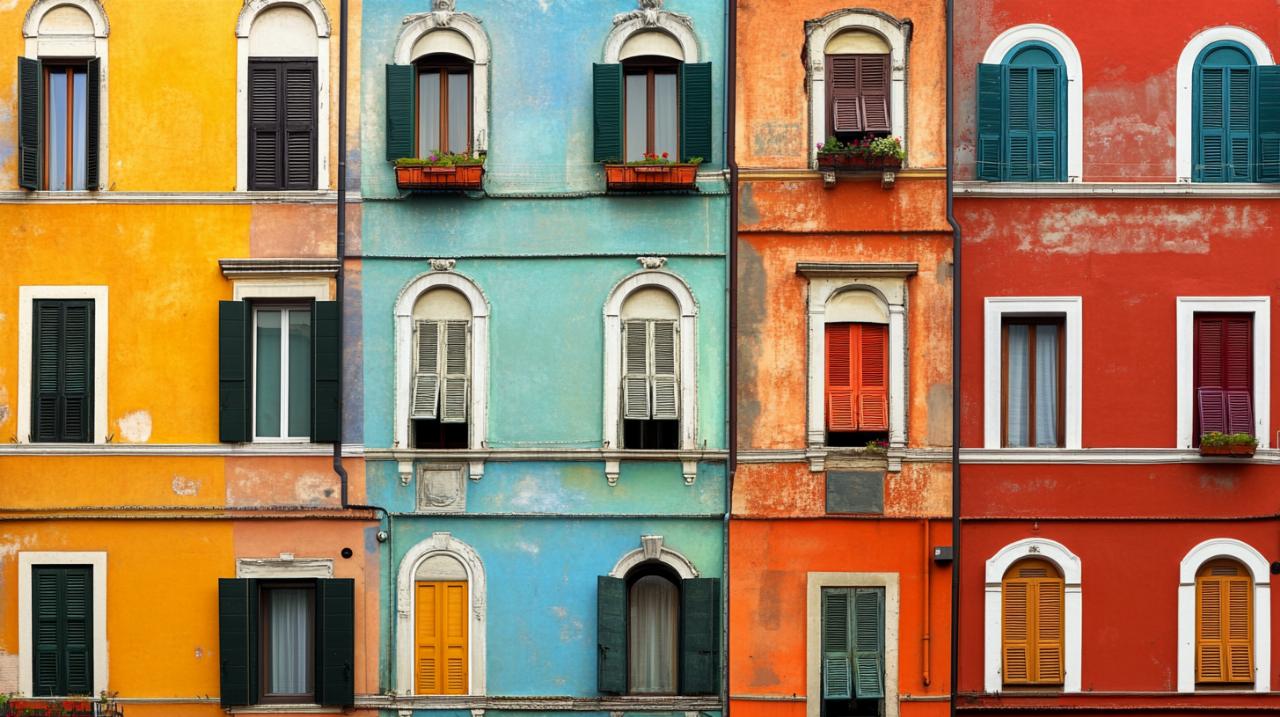
Rome, the Eternal City, has long captivated visitors with its grand monuments and world-famous museums, yet beneath the surface of this ancient metropolis lies a treasure trove of hidden corners waiting to be discovered. Wandering beyond the well-trodden paths that lead to the Colosseum and Vatican City reveals a side of Rome that few tourists encounter, where tranquil gardens, whimsical architecture, and sacred crypts offer an entirely different perspective on the Italian capital. For those willing to venture off the beaten track, the rewards are immense: authentic encounters, serene spaces, and the kind of stories that transform a holiday into an unforgettable adventure.
Why venture beyond rome's conventional tourist trail?
The Magic of Discovering Hidden Corners in the Eternal City
There is something profoundly satisfying about uncovering a secret garden or stumbling upon a peculiar museum that barely appears in guidebooks. Rome, with its layers of history dating back to 753 BC, offers countless unusual attractions that often go unnoticed by the average visitor. While the crowds jostle for position at the Trevi Fountain, those who explore the lesser-known neighbourhoods of Testaccio, Trastevere, and Quartiere Coppedè discover a Rome that feels intimate and refreshingly authentic. These hidden gems provide a quieter, more contemplative experience, allowing you to connect with the city's soul in ways that the busier sites simply cannot offer.
How exploring lesser-known sites enriches your roman holiday
Choosing to avoid crowds and seek out unusual attractions not only makes your visit more enjoyable but also deepens your understanding of Rome's multifaceted character. Autumn travel, particularly in the fall when there are fewer tourists, presents the perfect opportunity to explore these secret spots. By supporting local businesses and venturing into areas such as Ostiense or Monteverde, you contribute to the sustainability of the city's cultural fabric. Moreover, visiting places like the Catacombs of Santa Priscilla or the Basilica di San Pietro in Vincoli reveals aspects of Rome's religious and artistic heritage that are often overshadowed by the more prominent museums. Each hidden corner adds a new dimension to your journey, transforming a simple holiday into a rich tapestry of experiences.
The Aventine Keyhole: Peering into Three Countries at Once
Finding the Knights of Malta's Secret View
Aventine Hill is one of Rome's seven hills, and it harbours a delightful secret that has become a favourite among those in the know. The Aventine Keyhole, officially the keyhole of the Priory of the Knights of Malta, offers a perfectly framed view that is both surprising and utterly charming. To reach this hidden treasure, you simply need to make your way up the hill, where you will find a rather unassuming green door. The queue that often forms outside is a testament to its popularity, yet the wait is brief and entirely worthwhile. Peering through the keyhole, you are rewarded with a stunning vista that captures the dome of St Peter's Basilica, framed by a verdant tunnel of hedges, creating the illusion that you are gazing into three countries at once: Italy, the sovereign territory of the Knights of Malta, and Vatican City.
What makes this modest doorway so extraordinary
The magic of the Aventine Keyhole lies not only in the view itself but in the element of surprise and intimacy it offers. Unlike the grand panoramas available from rooftop bars or public viewpoints, this secret spot invites you to engage with Rome in a personal and almost conspiratorial manner. The act of bending down to peer through a small aperture transforms a simple sightseeing moment into a playful encounter with the city's hidden wonders. After taking in the view, visitors often stroll through the nearby Orange Garden, a peaceful space dotted with fragrant citrus trees and offering sweeping views over the city. The Rose Garden, which opens from late April to mid-June, further enhances the appeal of Aventine Hill, making it an ideal destination for those seeking tranquillity and beauty away from the bustling tourist museums.
Quartiere coppedè: rome's eccentric architectural fantasy
Navigating this whimsical art nouveau district
Tucked away in a quiet corner of Rome, Quartiere Coppedè is an architectural wonderland that feels more like a fairy tale than a residential neighbourhood. Designed by architect Gino Coppedè in the early twentieth century, this small district is a delightful fusion of Art Nouveau architecture, medieval influences, and Baroque flourishes. The area is centred around a charming piazza, where a fountain adorned with frogs becomes the focal point of the whimsical scene. Walking through the narrow streets, you will encounter buildings decorated with intricate mosaics, ornate balconies, and fantastical sculptures that seem to belong to another world entirely. The effect is enchanting, and it is no wonder that locals adore this quirky enclave.
The fairy-tale buildings that locals adore
What sets Quartiere Coppedè apart is the sheer creativity and eclecticism of its design. Each building tells a story through its decorative details, from the colourful ceramic tiles to the elaborate ironwork that frames windows and doors. The district is small enough to explore on foot in less than an hour, yet every corner reveals new surprises. This is not a place to rush through; instead, take your time to appreciate the artistry and imagination that went into creating this hidden gem. Photography enthusiasts will find endless inspiration here, as the interplay of light and shadow on the ornate facades creates ever-changing compositions. Visiting Quartiere Coppedè offers a refreshing contrast to the ancient ruins and Renaissance palaces that dominate much of Rome, reminding you that the city's creative spirit has flourished across the centuries.
The protestant cemetery: a tranquil garden of literary legends
Discovering the Resting Place of Keats and Shelley
The Non-Catholic Cemetery, often referred to as the Protestant Cemetery, is one of Rome's most serene and poignant sites. Located near the Pyramid of Cestius in the Testaccio neighbourhood, this burial ground is the final resting place of many notable figures, including the Romantic poets John Keats and Percy Bysshe Shelley. Keats, who died in Rome in 1821, is buried beneath a simple gravestone that bears the epitaph he requested: 'Here lies One Whose Name was writ in Water.' Shelley's ashes were interred nearby, and visitors from around the world come to pay their respects to these literary giants. The cemetery itself is a work of art, with winding paths shaded by ancient cypresses and stone pines, creating an atmosphere of contemplation and reverence.
Why this peaceful haven captivates visitors
Beyond its associations with famous poets, the Non-Catholic Cemetery captivates with its timeless beauty and sense of tranquillity. The suggested donation of five pounds to enter is a small price for the privilege of wandering through this green oasis, where the graves are adorned with sculptures, urns, and inscriptions that tell stories of love, loss, and remembrance. The cemetery is meticulously maintained, and the combination of art, nature, and history creates a uniquely moving experience. Many visitors describe it as one of the most beautiful cemeteries in the world, a place where the boundaries between life and death seem to blur. It is a reminder that even in a city as bustling as Rome, there are spaces dedicated to reflection and memory, offering respite from the noise and crowds.
Museo delle Anime del Purgatorio: Rome's Eerie Museum of Afterlife Evidence
Exploring the Small Church with a Haunting Collection
For those with a taste for the macabre and mysterious, the Museo delle Anime del Purgatorio offers an experience unlike any other in Rome. This small museum is housed within the Church of the Sacred Heart of Jesus in Prati, and it is dedicated to a collection of artefacts that purportedly provide evidence of souls in purgatory reaching out to the living. The museum was founded in the early twentieth century by a French priest who became fascinated by reports of paranormal phenomena. The collection includes items such as scorched handprints on books, burn marks on clothing, and other objects said to have been touched by souls seeking prayers and intercession from the living.
What you'll find in this peculiar exhibition
The exhibits in the Museo delle Anime del Purgatorio are displayed in a single small room, yet they carry an undeniable sense of the uncanny. Each item is accompanied by a description of the circumstances under which it was allegedly marked by a soul from purgatory. Whether you approach the collection with scepticism or an open mind, the museum prompts reflection on themes of faith, the afterlife, and the human desire to connect with those who have passed on. The church itself is modest and unassuming, making the discovery of this peculiar museum all the more surprising. Visiting the Museo delle Anime del Purgatorio is a brief but memorable diversion, offering a glimpse into a lesser-known aspect of Rome's spiritual and cultural landscape.
The capuchin crypt: an unforgettable encounter with mortality
Understanding the Artistic Arrangements of Bones
The Capuchin Crypt, located beneath the Church of Santa Maria della Concezione dei Cappuccini, is one of Rome's most astonishing and sobering sites. This sacred space contains the skeletal remains of approximately four thousand Capuchin friars, arranged in elaborate decorative patterns that adorn the walls and ceilings of several small chapels. The bones are not merely piled haphazardly; instead, they are carefully arranged to form intricate designs, including chandeliers made of vertebrae, floral motifs crafted from skulls and femurs, and arches composed of ribs and other bones. The effect is simultaneously beautiful and unsettling, prompting visitors to confront their own mortality in a deeply personal way.
Preparing yourself for this unique sacred space
Entry to the Capuchin Crypt costs ten pounds for adults and around six pounds for children, and it includes access to a small museum that provides context about the Capuchin order and their approach to death and the afterlife. The crypt itself is dimly lit, and visitors are asked to maintain a respectful silence as they move through the chapels. An inscription in one of the rooms serves as a poignant reminder: 'What you are now, we once were; what we are now, you shall be.' This memento mori underscores the Capuchin belief in the transience of earthly life and the importance of spiritual preparation for the hereafter. While the crypt is certainly not for the faint of heart, it offers a profoundly moving experience that lingers long after you have left. It is a testament to the Capuchin friars' unique way of honouring their dead and a powerful reminder of the human condition.
Villa doria pamphili: rome's largest landscaped public park
Escaping the Crowds in This Sprawling Green Oasis
When the hustle and bustle of Rome's historic centre becomes overwhelming, Villa Doria Pamphili offers a welcome retreat into nature. As the largest landscaped public park in the city, it sprawls over vast green expanses, providing ample space for walking, jogging, picnicking, and simply unwinding beneath the shade of ancient trees. Unlike the more famous Villa Borghese, which attracts throngs of visitors, Villa Doria Pamphili remains relatively undiscovered by tourists, making it a favourite among locals seeking a peaceful escape. The park's rolling hills, ornamental lakes, and well-maintained paths create an idyllic setting that feels far removed from the urban environment just beyond its gates.
Activities and Hidden Corners Within the Grounds
Villa Doria Pamphili is not just a place for passive relaxation; it also offers opportunities for exploration and discovery. The park is dotted with fountains, statues, and small architectural follies that reward those who venture off the main paths. Families with children will appreciate the open spaces perfect for games and outdoor activities, while couples may find the quiet corners ideal for a romantic stroll. The park is also a haven for birdwatchers and nature enthusiasts, as its varied habitats support a surprising diversity of wildlife. Whether you are looking to enjoy a leisurely afternoon with a good book, engage in some gentle exercise, or simply soak up the natural beauty, Villa Doria Pamphili provides a refreshing counterpoint to the ancient ruins and bustling piazzas that define much of the Roman experience.
The Mouth of Truth and San Clemente Basilica: Ancient Layers Beneath Your Feet
Testing Your Honesty at Bocca della Verità
The Bocca della Verità, or Mouth of Truth, is a large marble disc carved with the face of a river god, and it has become one of Rome's most enduring curiosities. According to legend, the mouth will snap shut on the hand of anyone who tells a lie, making it a popular spot for visitors eager to test their honesty. The disc is set into the portico of the Church of Santa Maria in Cosmedin, and while queues can form during peak hours, the wait is usually brief. The experience of placing your hand inside the gaping mouth and recalling the scene from the classic film Roman Holiday adds a playful touch to your exploration of Rome's hidden gems. Beyond the novelty, the church itself is a beautiful example of medieval architecture, with a stunning Cosmatesque floor and a richly decorated interior.
Descending through centuries at san clemente's underground levels
San Clemente Basilica offers a remarkable journey through time, as visitors can descend through three distinct layers of history. The upper church, with its glittering mosaics and frescoes, dates to the twelfth century, but beneath it lies a fourth-century basilica, and deeper still, the remains of a first-century Roman house and a temple dedicated to the god Mithras. Guided tours, which cost fifteen pounds for adults and nine pounds for children over six, lead you down narrow staircases into the cool, dimly lit chambers below, where ancient frescoes and the sound of an underground stream create an atmosphere that is both eerie and awe-inspiring. This multi-layered site vividly illustrates Rome's habit of building new structures atop the old, preserving the past even as the city evolves. Visiting San Clemente is an essential experience for anyone interested in the layers of history that lie beneath Rome's streets, offering a tangible connection to the lives of those who inhabited the city across the centuries.
Bonus Gem: The Orange Garden (Giardino degli Aranci) at Sunset
Why this hilltop spot offers rome's most romantic views
Perched atop Aventine Hill, the Orange Garden, or Giardino degli Aranci, is a small public park that offers one of the most enchanting views in Rome. As the sun begins its descent, the sky transforms into a palette of warm hues, casting a golden glow over the city's rooftops, domes, and distant hills. From this vantage point, you can see the curve of the Tiber River, the Vittoriano monument, and the sprawling expanse of the historic centre, all framed by the graceful silhouettes of umbrella pines and the fragrant orange trees that give the garden its name. The atmosphere is decidedly romantic, making it a favourite spot for couples, photographers, and anyone seeking a moment of tranquillity at the end of the day.
Planning Your Visit to Catch the Golden Hour
To make the most of your visit to the Orange Garden, plan to arrive about an hour before sunset, giving yourself time to find a good spot on one of the benches or along the low wall that overlooks the city. The golden hour, when the light is soft and warm, is the ideal time for photography, as the city takes on a dreamlike quality. The garden is open to the public and free to enter, making it an accessible highlight for any itinerary. After watching the sun dip below the horizon, you can wander down the hill to explore the nearby Testaccio Market or enjoy a meal at one of the neighbourhood's excellent trattorias. The Orange Garden is also conveniently located near the Aventine Keyhole, allowing you to combine two of Rome's most delightful hidden gems into a single memorable outing.
 Traveling during the pandemic
 Best cities to visit
 Tips to save money when traveling
 Taking a vacation after a long work year.
 Discover the Var region
 USA: THE NEW APPLICATION TO MEET YOUR TRANSGENDER CRUSH
 The top tropical vacation destination
 Why Choose Fuerteventura as Your Next Holiday Destination?
 Why Choose Tulum for Your Bachelorette Party?
 Yacht: Play the Originality Card on Vacation
 Professions That Accompany People During Their Holidays
 Mountain Vacations: What Can You Expect From Your Rental in the French Alps?
 Discover Europe on a Motorcycle: A Royal Enfield Adventure
 Preventing and Resolving Travel Disputes: Tips for a Worry-Free Adventure Organization
 10 Sustainable Travel Destinations for Eco-Conscious Explorers
 Discover Vibrant LGBTQ+ Culture in Buenos Aires
 Discover the Charm of Vacation Rentals in Sicily for an Unforgettable Holiday
 Essential Hotel Hygiene Tips for a Safe Stay in Hammamet
 Discover top tropical destinations for your next travel adventure
 Exploring Torremolinos: Top Activities for a Memorable Spain Holiday
 Discover the Best Beach Hotels in Spain for Your Next Relaxing Getaway
 Discover charming boutique hotels in seville province
 Essential tips for starting your own travel blog
 Discovering the Latest Tech Gadgets for Enhancing Travel Accessories
 Azureva vs. The Competition: Finding Your Perfect All-Inclusive French Holiday Village in 2026
 Explore the Thrill of a Motorcycle Road Trip Across Continents
 A Traveller’s Guide to San Francisco: The Best and Worst Neighbourhoods for Art & Travel Around Golden Gate Park’s Cultural Scene
 Mappy Itinerary: Calculate Your Travel Route in Paris and Its Districts and Navigate Between Family Activities with Ease