Discover the Lyon Metro Map: A Guide to Underground Artistic Treasures and Station Design
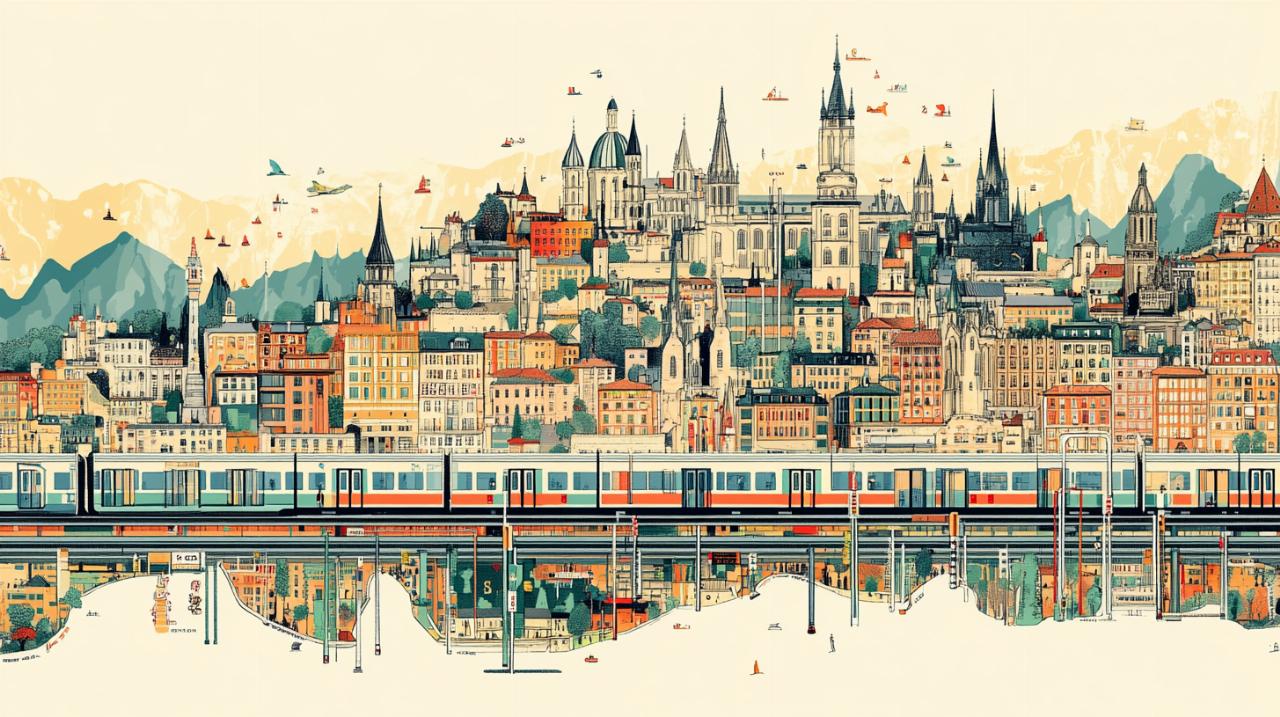
Nestled at the confluence of the Saône and Rhône rivers, Lyon stands as France's second largest conurbation, offering visitors a rich tapestry of culture, history, and remarkably efficient public transport. With its UNESCO-listed Renaissance architecture and centuries-old traboules weaving through the old quarters, the city below ground mirrors this complexity with an underground network that combines practicality with unexpected artistic flair. The metro system operated by TCL is not merely a means of getting from one borough to another; it represents a journey through thoughtfully designed stations that celebrate both heritage and modernity.
Navigating the Lyon Metro Network: Routes, Lines and Essential Travel Information
Understanding the Four Metro Lines and TCL Network Structure
The Lyon metro comprises four distinct lines that together span over thirty kilometres of track, primarily running beneath the bustling streets of this historic city. Line A stretches across 9.2 kilometres with fourteen stations, having first opened its doors to passengers in 1978 before receiving an extension in 2007. This route connects key areas of the metropolis and operates with remarkable regularity, with trains arriving every three to four minutes during peak periods. Line B covers a slightly longer distance of 10.2 kilometres and serves twelve stations. Originally launched in the same year as Line A, it underwent a significant transformation in 2022 when it was converted to driverless operation, reflecting the city's commitment to modern transit technology.
Line C presents a unique character within the network. Although it measures just 2.4 kilometres with five stations, it tackles a notably steep gradient of seventeen percent, making it an engineering marvel that efficiently transports passengers between different elevations of the city. Operating every five to seven minutes, it plays a vital role in connecting neighbourhoods that might otherwise be challenging to access. Meanwhile, Line D represents the pinnacle of Lyon's metro ambitions. Spanning 12.5 kilometres and boasting fifteen stations, it was inaugurated in 1991 as the world's first large-profile driverless metro line, a pioneering achievement that set the standard for automated urban transport systems globally. Trains on this line arrive every two and a half minutes, ensuring minimal waiting times for commuters and tourists alike.
The TCL network integrates seamlessly with other modes of public transport, including trams, trolleybuses, and even funicular railways, all operating under a unified ticketing system that simplifies travel across the metropolitan area. The average distance between metro stations is approximately 750 metres, making it convenient to reach most attractions and residential areas without extensive walking. Services begin at five o'clock in the morning and continue until half past midnight, accommodating early risers and night owls exploring Lyon's vibrant cultural scene. Plans for future expansion include Line E, which will extend westwards from the city centre, further enhancing connectivity across the boroughs.
Accessing your lyon metro map: pdf downloads and digital plans
For visitors and residents navigating this extensive network, obtaining a Lyon metro map is essential for efficient journey planning. The TCL website and various transport apps offer downloadable PDF versions of the metro plan, which can be saved to smartphones or printed for offline reference. These maps clearly delineate the four lines in distinct colours, making it straightforward to identify routes and interchange stations. Digital versions often include additional layers of information, such as real-time service updates, station facilities, and accessibility options for passengers with reduced mobility.
Many travellers prefer to download the metro map before arriving in Lyon, allowing them to familiarise themselves with the layout and plan their itineraries in advance. The maps also indicate connections with tram lines, funicular services, and regional trains, providing a comprehensive overview of the entire public transport ecosystem. Tourist information centres throughout the city distribute free paper copies of the metro plan, often accompanied by multilingual guides that highlight key attractions near each station. With these resources readily available, exploring Lyon becomes an intuitive and enjoyable experience, whether you are visiting the traboules of Vieux Lyon or venturing into the modern districts of Villeurbanne.
Underground architecture and artistic design: lyon's most stunning metro stations
From vieux lyon to vaulx-en-velin: stations that showcase public art
Lyon's metro stations are far more than functional transit hubs; they serve as galleries showcasing contemporary art, historical references, and innovative design. The station serving Vieux Lyon, for instance, acts as a gateway to one of the city's most cherished UNESCO World Heritage Sites, where Renaissance architecture and medieval streets create an atmosphere steeped in history. The station's design subtly echoes this heritage, with lighting and materials chosen to complement the ancient character of the neighbourhood above. As passengers descend into the platforms, they encounter murals and installations that celebrate Lyon's storied past, from its role in the silk trade to its significance during World War II.
Further along the network, stations in boroughs such as Vaulx-en-Velin and Vénissieux reflect the diversity and dynamism of Lyon's metropolitan area. These stations incorporate vibrant colours, modern sculptures, and digital art displays that engage commuters and transform the daily journey into an experience of cultural discovery. Public art initiatives have commissioned local and international artists to contribute works that resonate with the communities served by each station. The result is a metro system where every stop offers something visually stimulating, challenging the notion that underground transport must be purely utilitarian.
Saint-jean and other heritage stations: where history meets modern transit
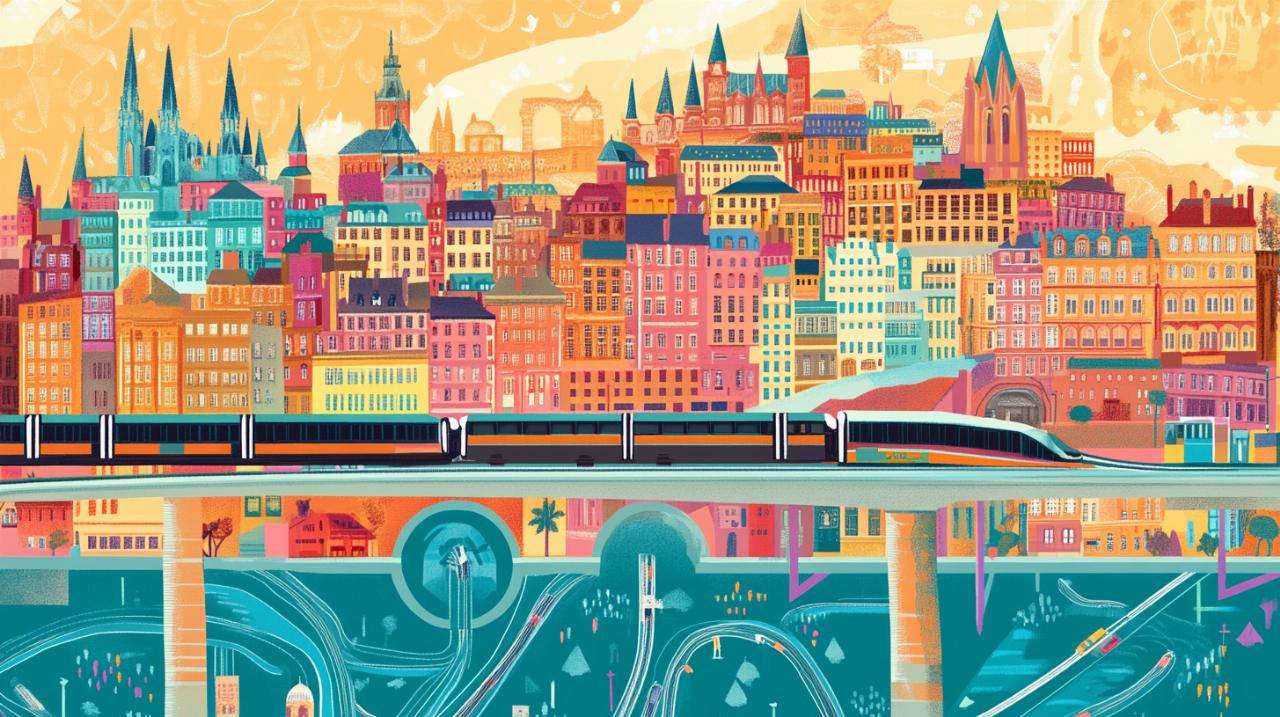
The Saint-Jean station, located in the heart of Vieux Lyon, exemplifies the harmonious blend of historical reverence and contemporary functionality. Named after the nearby Saint-Jean Cathedral, this station serves as a critical interchange point for travellers heading to the funicular that ascends to Fourvière, a hilltop basilica offering panoramic views of the city. The station's architecture incorporates elements reminiscent of Lyon's Renaissance past, with arched passageways and stonework that echo the traboules found in the streets above. These secret passageways, dating back to the fourth century and originally designed to provide access to fresh water, now inspire the aesthetic language of the metro itself.
Other heritage stations throughout the network similarly celebrate Lyon's rich cultural tapestry. At Croix-Rousse, another UNESCO-designated area known for its silk-weaving history, the metro station features displays and artwork that pay homage to the artisans who once dominated the local economy. The interplay between old and new is further enhanced by the use of modern materials such as glass and steel, which provide a striking contrast to the historical narratives depicted on platform walls. This thoughtful integration ensures that the metro system not only serves practical transportation needs but also educates and inspires those who pass through its corridors.
Practical Guide: Tickets, Fares and Using the Complete Lyon Transport System
Metro Tickets, City Cards and Journey Costs in Euros
Understanding the ticketing system is crucial for making the most of Lyon's public transport network. TCL offers a range of ticket options to suit different needs, from single-journey tickets to multi-day passes that provide unlimited travel across the metro, tram, and bus networks. A standard single ticket costs a few euros and remains valid for one hour from the moment of validation, allowing passengers to transfer between different modes of transport within that timeframe. For those planning extended stays or multiple journeys in a day, purchasing a day pass offers better value and the convenience of unlimited travel.
The Lyon City Card presents an attractive option for tourists, combining unlimited public transport access with free or discounted entry to numerous museums, attractions, and guided tours. Available for periods ranging from one to three days, the card simplifies budgeting and enhances the overall visitor experience. Additionally, the card often includes access to special services such as the Rhonexpress, a dedicated light rail connection to Lyon airport that was launched in 2010. This service operates independently of the standard TCL fare structure but can be included in certain premium card packages, making airport transfers seamless for international travellers.
Connecting Tram, Funicular and Airport Services: Frequency and Journey Planning in Minutes
Lyon's public transport system extends well beyond the metro, incorporating three operational tram lines that enhance connectivity across the city. Line T1 covers 8.2 kilometres, while Line T2 spans 10.1 kilometres, both serving key residential and commercial areas. Line T3, which opened in 2006, and Line T4, operational since 2009, further expand the network, ensuring that even the most distant boroughs remain accessible. Trams typically operate at frequencies similar to the metro, with services running every few minutes during peak hours, making transfers between different lines straightforward and efficient.
The funicular system adds a distinctive dimension to Lyon's transport offerings. Two funicular lines operate regularly, with one ascending to Fourvière, a tourist-oriented route that provides breathtaking views and access to the basilica. The second funicular serves Saint-Just, running every five minutes and catering primarily to local residents. These services integrate seamlessly with the metro and tram networks, all accessible under the unified TCL ticketing system. For those arriving by air, the Rhonexpress offers a direct link from Lyon airport to the city centre, completing the journey in a matter of minutes and connecting travellers swiftly to the broader transport network. Whether exploring the traboules of Croix-Rousse, visiting the confluence of the two great rivers, or attending events in the Auvergne-Rhône-Alpes region, Lyon's comprehensive transport infrastructure ensures that every corner of this remarkable city is within easy reach.
 Costa Rica rental car with Jumbocar; Way to enhance your travel experience?
 Discover Europe on a Motorcycle: A Royal Enfield Adventure
 Discover the Benefits of Hiring a Private Chauffeur Service in Copenhagen
 How to Economize on Car Rentals During Your Spain Adventure
 Comprehensive vehicle maintenance tips for enhancing car performance
 Top Tips for Effective Vehicle Maintenance and Repair
 How to Ensure Safe Travel with Your Car: The Ultimate Pre-Journey Inspection Checklist
 Understanding Car Rental Rates at Santo Domingo Las Américas Airport