
All about airports in vietnam: how civil aviation standards shape travel across major hubs
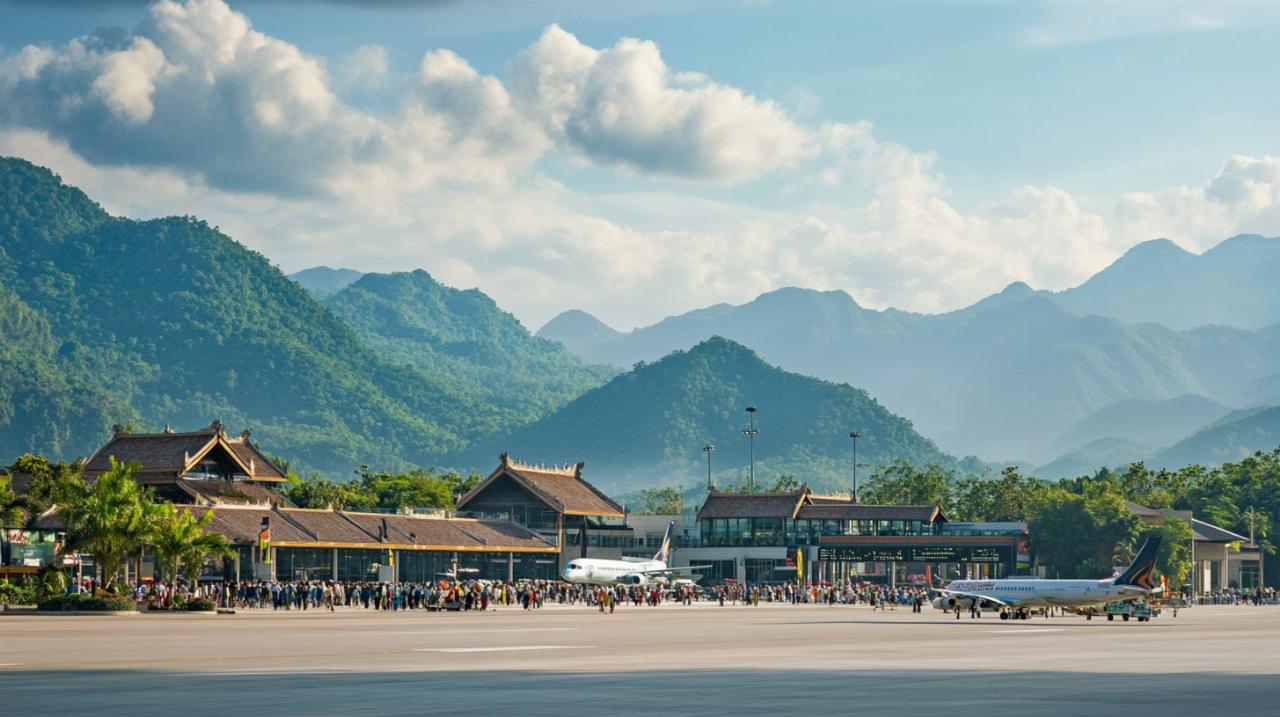
Vietnam has emerged as a vital node in the Southeast Asian aviation network, with its civil aviation standards playing a crucial role in ensuring safe, efficient, and well-connected travel across the nation. From the bustling terminals of Hanoi and Ho Chi Minh City to the smaller regional hubs serving idyllic beaches and cultural treasures, the country's airports form a comprehensive circuit that caters to millions of passengers each year. Understanding how these standards are shaped and implemented offers valuable insight into the quality and reliability of air travel throughout Vietnam.
Vietnam's primary international gateways: noi bai and tan son nhat airports
Noi bai international airport: hanoi's gateway to northern vietnam
Situated in the capital city of Hanoi, Noi Bai International Airport serves as the principal gateway for travellers heading to the northern regions of Vietnam. This airport has seen remarkable expansion over recent years, reflecting the broader trend of rapid growth across the civil aviation industry in the country. The facility handles a substantial volume of international and domestic flights, connecting Hanoi with major cities around the globe as well as key destinations within Vietnam. Passenger numbers have been climbing steadily, with Vietnamese airports as a whole experiencing an increase of about twenty-seven percent from 2023 to 2024. This surge underscores the importance of maintaining rigorous safety and operational standards to accommodate the growing demand.
Noi Bai's terminals are designed to manage both short-haul and long-haul services, offering passengers a range of amenities and services that meet modern expectations. The airport's infrastructure is supported by comprehensive regulations set out in the Civil Aviation Law, which was originally established in 2006 and subsequently amended in 2023 to align with contemporary aviation practices. These legal frameworks ensure that every aspect of commercial air transport, from aircraft compliance to qualified personnel, adheres to stringent safety and security requirements. The result is a hub that not only facilitates efficient travel but also prioritises passenger wellbeing and operational reliability.
Tan son nhat international airport: ho chi minh city's bustling transport hub
In the heart of southern Vietnam, Tan Son Nhat International Airport stands as the country's busiest aviation facility, serving the vibrant metropolis of Ho Chi Minh City. This airport is a critical junction for both domestic and international routes, handling an extraordinary number of passengers annually. In 2023 alone, Vietnamese airports collectively welcomed eighty-nine million passengers, marking a twenty percent increase from the previous year. Tan Son Nhat's terminals are often bustling with activity, reflecting the dynamic economic and cultural life of the city it serves.
The airport's capacity to manage such high volumes is underpinned by robust civil aviation standards that govern everything from licensing requirements for air carriers to the maintenance schedules for aircraft. Operators must demonstrate a feasible business plan, maintain charter capital that corresponds to the size of their fleet, and ensure that all technical staff receive regular training in line with international standards such as those set by the International Civil Aviation Organization. For carriers operating more than thirty aircraft, the minimum charter capital requirement stands at seven hundred billion Vietnamese dong, a figure that reflects the scale and complexity of modern commercial aviation. These measures collectively contribute to a safe and reliable travel experience for millions of passengers passing through Tan Son Nhat each year.
Regional airports connecting vietnam's tourist destinations and provinces
Cam Ranh, Phu Quoc, and Can Tho: Serving Beach Resorts and the Mekong Delta
Beyond the major international hubs, Vietnam boasts a network of regional airports that play a pivotal role in connecting travellers to some of the country's most celebrated tourist destinations. Cam Ranh International Airport, located near the coastal city of Nha Trang, provides convenient access to pristine beaches and resort areas that attract visitors from around the world. Similarly, Phu Quoc International Airport serves the island of Phu Quoc, a tropical paradise known for its turquoise waters and lush landscapes. These airports have been instrumental in supporting the tourism industry, which has rebounded strongly in the post-pandemic era.
Can Tho International Airport, situated in the heart of the Mekong Delta, offers a gateway to one of Vietnam's most culturally rich and ecologically significant regions. The delta's intricate waterways, floating markets, and agricultural heritage draw travellers eager to experience a different facet of Vietnamese life. The development and expansion of these regional airports are part of a broader national strategy to enhance aviation infrastructure. By 2030, Vietnam aims to operate twenty-eight airports with a combined annual capacity of two hundred and seventy-eight million passengers. This ambitious plan requires significant investment, estimated at around seventeen and a half billion US dollars, to ensure that both major hubs and regional facilities meet international standards of safety, efficiency, and sustainability.
Airport Access to Halong Bay and Other Popular Travel Spots
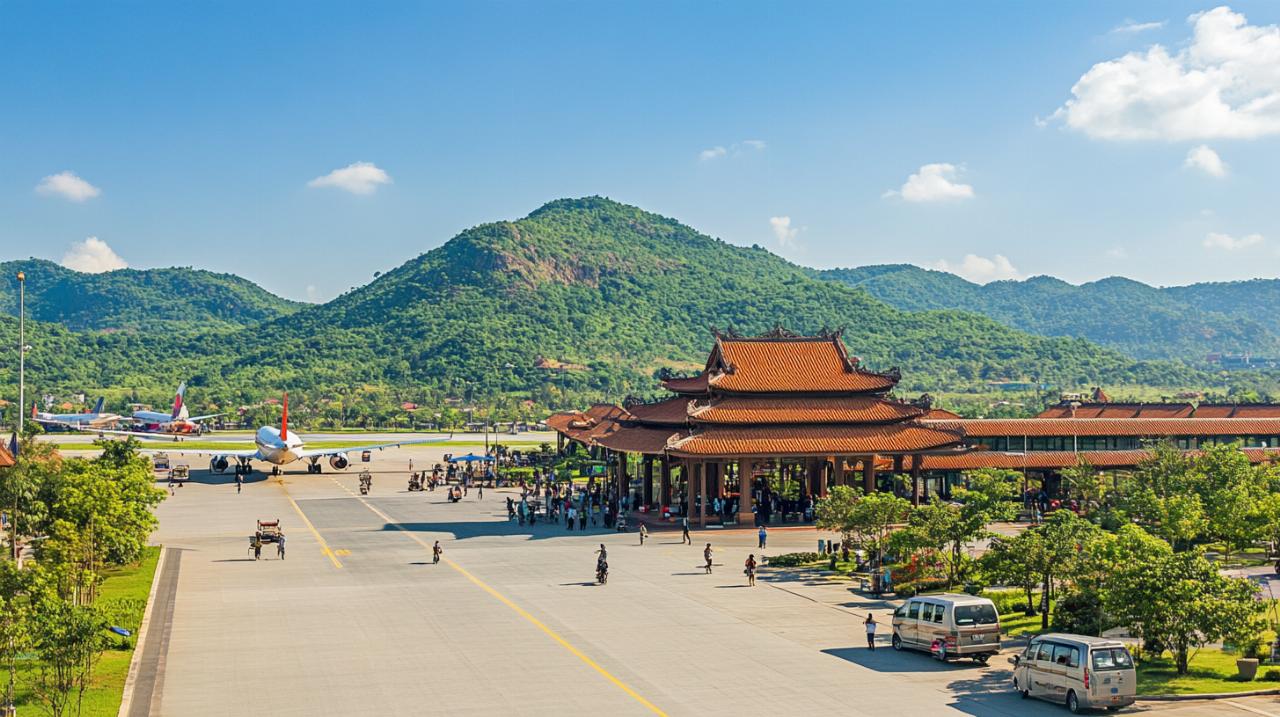
Halong Bay, a UNESCO World Heritage Site famed for its emerald waters and thousands of limestone karsts, is one of Vietnam's most iconic attractions. While the bay itself does not have its own airport, travellers can access the area via nearby facilities such as Van Don International Airport, which opened in recent years to provide direct connections to this popular destination. The presence of such airports has made it far easier for tourists to explore the northern regions, reducing travel times and enhancing overall convenience.
The strategic placement of airports across the country not only facilitates tourism but also supports regional economic development. With air transportation growth rates projected at between seven and a half and eight and a half percent for passengers until 2030, the demand for efficient and well-maintained airports continues to rise. The Vietnam Air Traffic Management system is gearing up to handle an estimated two and a half million flights by 2030, a testament to the scale of expansion underway. This growth is closely monitored and regulated to ensure that safety and security standards remain uncompromised, even as passenger volumes soar.
Airlines, visa requirements, and civil aviation standards across vietnam
Domestic and International Carriers Operating Throughout the Country
Vietnam's aviation landscape is populated by a mix of domestic carriers and international airlines, each contributing to a competitive and dynamic market. Among the local operators, Vietnam Airlines holds a prominent position, commanding approximately forty percent of the domestic market and operating a fleet of ninety-four aircraft. This national carrier offers a wide range of services, from short regional hops to long-haul international routes, providing passengers with a reliable and comfortable travel experience. Meanwhile, VietJet Air, a low-cost carrier, has captured around thirty-four percent of the domestic market and has been instrumental in making air travel more accessible to a broader segment of the population. In the first half of 2022, VietJet transported nine million passengers, demonstrating the appeal of budget-friendly options.
Bamboo Airways is another significant player, adding further variety to the market and ensuring that travellers have multiple choices when planning their journeys. The presence of these domestic firms, alongside international carriers, has fostered a competitive environment that drives improvements in service quality and operational efficiency. All operators must comply with the licensing requirements and safety standards set out in the Civil Aviation Law. These include maintaining minimum charter capital, ensuring aircraft compliance with international norms, and employing qualified personnel who undergo regular training. The maintenance, repair, and overhaul sector is also experiencing robust growth, with a compound annual growth rate projected at ten point six percent by 2030 and total demand reaching six hundred and fifty-four million US dollars. This expansion reflects the increasing complexity and scale of aviation operations in Vietnam.
Understanding Visa Policies and Travel Regulations for Passengers
For international travellers, understanding visa requirements and travel regulations is essential when planning a journey to Vietnam. Visa policies can vary depending on the traveller's nationality, the purpose of the visit, and the length of stay. Some visitors may be eligible for visa exemptions or visa-on-arrival arrangements, while others will need to apply for a visa in advance through Vietnamese embassies or consulates. It is advisable for passengers to check the latest visa requirements well before their departure date to avoid any complications at immigration checkpoints.
In addition to visa considerations, travellers should be aware of the broader travel regulations that govern entry into and movement within Vietnam. These may include health and safety protocols, customs declarations, and documentation requirements. The civil aviation standards that regulate commercial air transport also extend to passenger processing and security screening, ensuring that all individuals entering or leaving the country do so in a safe and orderly manner. The government has put in place comprehensive regulations that align with international standards set by the International Civil Aviation Organization, as well as air service agreements with numerous countries. These frameworks facilitate smooth and efficient travel while maintaining the highest levels of security and safety.
The ongoing recovery and expansion of Vietnam's aviation sector are supported by amendments to the Civil Aviation Law, which came into effect in 2023. These updates are designed to foster professional and sustainable development, ensuring that the industry can continue to grow while meeting the demands of a rapidly increasing passenger base. By 2035, Vietnam expects to accommodate one hundred and fifty million air transport passengers, a figure that reflects both the country's economic dynamism and its appeal as a destination for business and leisure travellers alike. As the sector evolves, the commitment to upholding rigorous civil aviation standards remains central to ensuring that every journey through Vietnam's airports is safe, efficient, and enjoyable.
 Taking a vacation after a long work year.
 Discover the Var region
 USA: THE NEW APPLICATION TO MEET YOUR TRANSGENDER CRUSH
 The top tropical vacation destination
 Why Choose Tulum for Your Bachelorette Party?
 Yacht: Play the Originality Card on Vacation
 Professions That Accompany People During Their Holidays
 Mountain Vacations: What Can You Expect From Your Rental in the French Alps?
 Discover Europe on a Motorcycle: A Royal Enfield Adventure
 Preventing and Resolving Travel Disputes: Tips for a Worry-Free Adventure Organization
 Discover the Charm of Vacation Rentals in Sicily for an Unforgettable Holiday
 Essential Hotel Hygiene Tips for a Safe Stay in Hammamet
 Discover top tropical destinations for your next travel adventure
 Exploring Torremolinos: Top Activities for a Memorable Spain Holiday
 Discover the Best Beach Hotels in Spain for Your Next Relaxing Getaway
 Discover charming boutique hotels in seville province
 Discovering the Latest Tech Gadgets for Enhancing Travel Accessories
 Mappy Itinerary: Calculate Your Travel Route in Paris and Its Districts and Navigate Between Family Activities with Ease
 Best Self-Inflating Camping Mattresses 2023: Sleep Like You’re on a Cloud in the Wild – Choosing the Right Size for Maximum Comfort
 Travel in March to Italy: The Weather and Must-Visit Destinations in Spring – Combining Culture with Wellness in Florence and Beyond
 Beyond the Beaches: Discovering Phuket’s Rooftop Bars and Nightlife Scene on Bangla Road
 The Fruits of Martinique: A Tropical Treasure to Discover in Vitamin-Rich Traditional Drinks
 Camping holidays archives – travel escape: what pet owners must know before booking their next adventure
 March Escapes: Sunny Destinations Ideal for a Stay in March Beyond the Canary Islands
 Essential Accessories for a Trip to Thailand: Must-Have Items According to Expert Travel Guides
 Beyond the Freedom: Living in a Motorhome and the Drawbacks to Expect from Moisture and Mould in Confined Spaces
 Exploring Greece on a Budget: 10 Destinations to Visit in Greece with Hostels and Camping Options
 The Complete Guide on How to Organise a Trip to the Beach with Reliable Transportation Solutions