Travel in March to Italy: The Weather and Must-Visit Destinations in Spring – Combining Culture with Wellness in Florence and Beyond
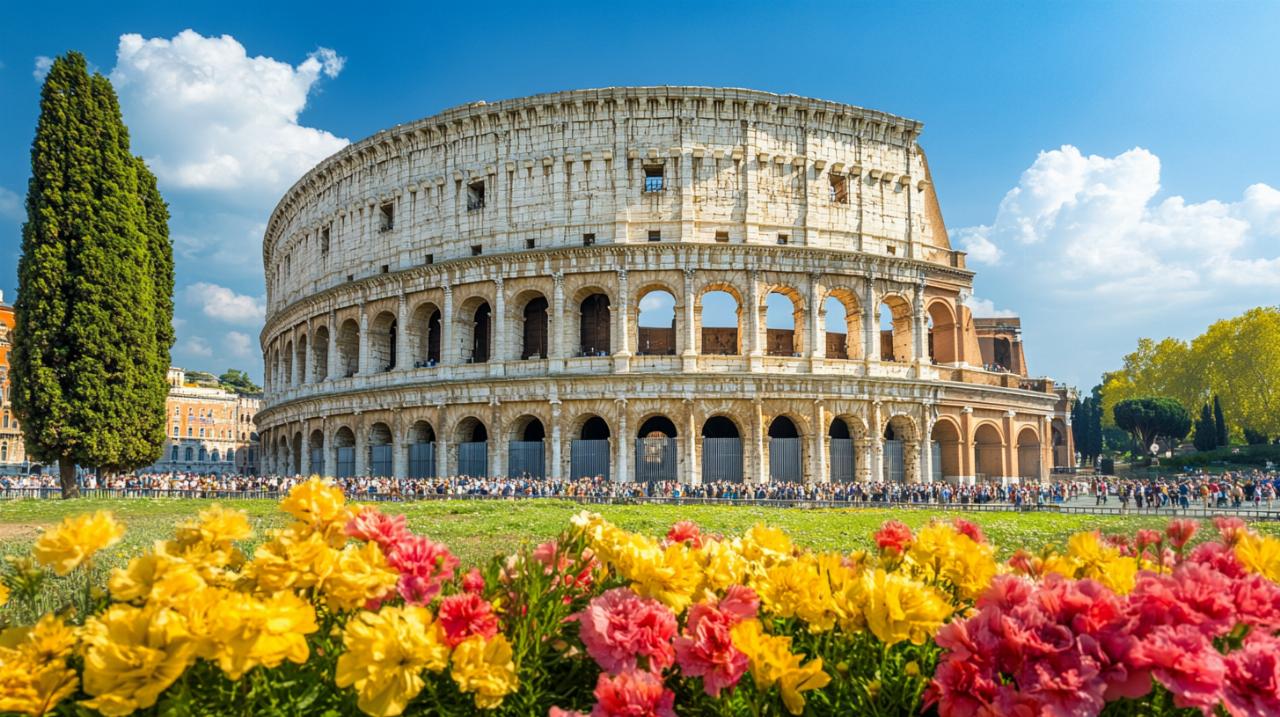
As winter's chill begins to fade and spring gently unfolds across the Italian peninsula, March emerges as an enchanting time to explore this captivating country. The shoulder season presents a unique opportunity to experience Italy's treasures without the overwhelming summer crowds, offering a more intimate encounter with its timeless beauty. From the rolling hills of Tuscany to the sun-kissed shores of Sicily, the nation awakens with a fresh vibrancy that beckons travellers seeking authenticity and tranquillity. Whether you are drawn to the artistic masterpieces of Florence, the ancient grandeur of Rome, or the serene landscapes of northern lakes, March provides an ideal backdrop for discovery and rejuvenation.
Weather Expectations and Travel Advantages in March
Understanding italy's springtime climate and temperature variations
March in Italy marks a transitional period where the lingering cold of winter gives way to the gentle warmth of spring. The weather during this month is characterised by mild temperatures and a gradual increase in sunshine, though it remains advisable to prepare for occasional rain showers. Across Central Italy, including beloved regions such as Tuscany, Umbria, and Lazio, visitors can expect daytime temperatures ranging from 15 to 20 degrees Celsius. This pleasant warmth makes it comfortable for countryside drives, vineyard visits, and leisurely strolls through historic towns without the oppressive heat of summer.
Southern Italy and Sicily enjoy slightly warmer conditions, with temperatures typically hovering between 18 and 22 degrees Celsius. These regions offer an inviting climate for those eager to explore ancient ruins, sample seasonal cuisine, and wander through coastal villages. In contrast, Northern Italy, encompassing cities like Milan, Bologna, Venice, and Verona, tends to be cooler. While March can still feel crisp in the north, the arrival of April brings more favourable conditions for art enthusiasts and history lovers eager to explore the region's cultural gems. The northern lakeside areas, such as Lake Como, experience average temperatures around 10 degrees Celsius, with the fog of winter having lifted to reveal breathtaking vistas perfect for hiking and family activities.
Despite the generally mild weather, March in Italy does bring its share of rainy days. On average, visitors can expect between seven and ten days of rainfall depending on the region. Florence, for instance, sees around eight rainy days, as do the Amalfi Coast and Sicily. Tuscany and Lake Como also experience similar patterns, making it essential to pack light waterproof jackets and umbrellas. However, these occasional showers do little to dampen the appeal of exploring Italy's landscapes and monuments, as they often give way to clear skies and crisp, refreshing air.
Benefits of Visiting During the Shoulder Season
Travelling to Italy in March offers a multitude of advantages that extend beyond favourable weather. One of the most compelling reasons to visit during this shoulder season is the significant reduction in tourist numbers. Unlike the peak summer months when popular sites are thronged with visitors, March allows for a more relaxed and immersive experience. Museums, galleries, and historical monuments become accessible without the need for lengthy queues, enabling travellers to appreciate Italy's artistic and architectural wonders at a leisurely pace.
Another notable benefit is the cost savings associated with off-season travel. Accommodation prices in March can be 30 to 40 per cent lower than during the summer, making luxury stays and countryside villas more affordable. This price reduction extends to flights and dining, allowing visitors to indulge in authentic Italian cuisine and stay in charming boutique hotels or sprawling estates without breaking the bank. The quieter atmosphere also means that trattorias and restaurants are less hurried, offering a more personalised dining experience where chefs and staff have the time to share stories and recommendations.
March is also an excellent time to savour seasonal Italian produce. Artichokes are at their peak during this month, featuring prominently in regional dishes across the country. As April approaches, white asparagus makes its appearance, adding to the culinary delights available to travellers. Engaging with local food markets and participating in truffle hunting excursions in Tuscany or Umbria provides a deeper connection to the land and its traditions. The shoulder season also affords the chance to explore lesser-known destinations such as Abruzzo, Orvieto, and Bergamo, where the charm of authentic Italian life unfolds away from the usual tourist trails.
Cultural highlights: florence's artistic treasures and wellness experiences
Exploring Galleria dell'Accademia and Santa Maria del Fiore
Florence stands as a beacon of Renaissance art and culture, and March is an ideal time to delve into its rich heritage. The city's historical monuments and world-renowned galleries become more accessible as the number of visitors remains moderate. The Galleria dell'Accademia, home to Michelangelo's iconic statue of David, offers an intimate encounter with one of the most celebrated works of art in history. Without the summer crowds, visitors can take their time admiring the intricate details of the sculpture and exploring the gallery's other treasures, which include works by Botticelli and other masters of the Renaissance.
Equally captivating is the Basilica di Santa Maria del Fiore, Florence's magnificent cathedral. The grandeur of its terracotta dome, designed by Brunelleschi, dominates the skyline and serves as a testament to the ingenuity of Renaissance architecture. In March, the cathedral's interior and surrounding piazzas are less congested, allowing for a more contemplative experience. Visitors can climb to the top of the dome for panoramic views of the city and the surrounding Tuscan hills, a rewarding endeavour made all the more pleasant by the mild spring temperatures and clear skies that often follow morning showers.
Beyond these iconic landmarks, Florence's narrow cobblestone streets and hidden courtyards invite exploration. The city's museums and galleries, from the Uffizi to the Palazzo Pitti, house an astonishing array of artworks and historical artefacts. March provides the perfect opportunity to wander through these cultural treasures without the rush, pausing to appreciate the beauty and history that permeate every corner of this enchanting city.
Maggio Musicale Fiorentino and Wellness Retreats in Tuscany
Florence is not only a haven for art lovers but also a destination where culture and wellness converge. The city plays host to the Maggio Musicale Fiorentino, one of Italy's most prestigious music festivals. While the festival traditionally peaks in May, its events often extend into the early spring, offering visitors in March a chance to experience world-class performances in historic venues. The festival celebrates opera, ballet, and orchestral music, drawing renowned artists and ensembles from around the globe. Attending a performance provides a deeper appreciation of Italy's cultural legacy and the enduring power of the arts.
Venturing beyond Florence into the Tuscan countryside reveals a landscape dotted with vineyards, olive groves, and charming stone villas. March is an excellent time to escape to one of the many Italian countryside estates that offer bespoke wellness retreats. These experiences combine the tranquillity of rural Tuscany with luxurious amenities, including spa treatments, yoga sessions, and gourmet dining featuring seasonal ingredients. The temperatures, ranging from 7 to 15 degrees Celsius, are ideal for outdoor activities such as vineyard tours and truffle hunting, pursuits that connect visitors with the land and its culinary traditions.
Le Collectionist, a company known for uniting spectacular homes with bespoke services, offers unforgettable holidays in these idyllic settings. Guests can immerse themselves in the beauty of the Tuscan landscape while enjoying personalised experiences that cater to their every need. Whether it is a guided tour of ancient cellars, a cooking class with a local chef, or a leisurely afternoon exploring artisan workshops, the combination of culture and wellness in Tuscany creates a restorative and enriching escape.
Essential march destinations: from rome to cinque terre
Discovering Rome's Basilica di Saint Peter and Sicily's Coastal Beauty
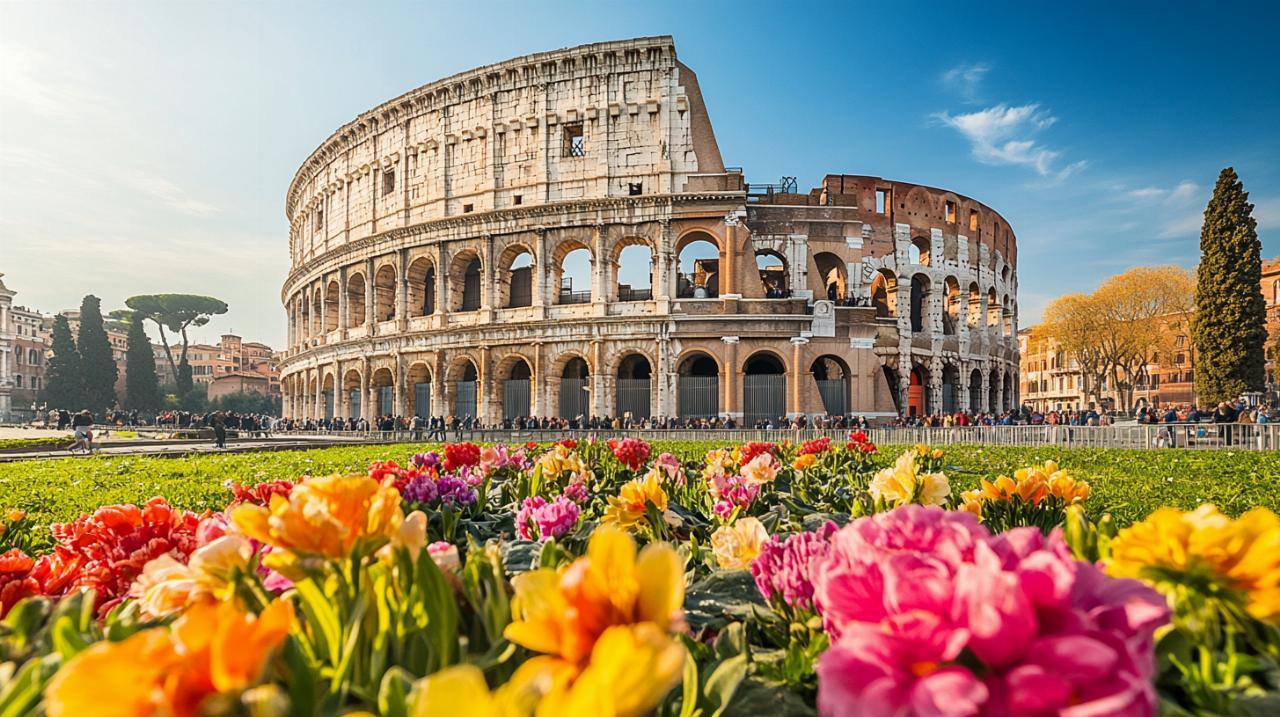
Rome, the eternal city, remains a magnet for travellers drawn to its layers of history and its vibrant contemporary culture. In March, the city enjoys mild weather with average temperatures around 14 degrees Celsius, making it comfortable to explore its ancient monuments and bustling piazzas. The Basilica di Saint Peter, a masterpiece of Renaissance architecture and a spiritual centre for millions, is particularly awe-inspiring during this quieter season. Visitors can marvel at the grandeur of the basilica's interior, ascend to the dome for sweeping views over Vatican City, and wander through the Vatican Museums without the overwhelming crowds that characterise the summer months.
March also coincides with Easter in some years, bringing special events such as the Scoppio del Carro in Florence, a historic celebration involving a cart filled with fireworks. In Rome, Easter services and processions add a layer of spiritual significance to the city's already rich tapestry of traditions. The cooler, less crowded conditions make it easier to appreciate the solemnity and beauty of these events.
Sicily, with its blend of ancient Greek ruins, Baroque architecture, and stunning coastal scenery, offers a different yet equally compelling experience. The island enjoys warmer temperatures in March, averaging between 7 and 15 degrees Celsius, with fewer tourists than in the summer months. This combination makes it an ideal destination for exploring archaeological sites such as the Valley of the Temples and the Roman mosaics of Villa Romana del Casale. The beaches, though not yet bustling with sunbathers, provide serene settings for coastal walks and quiet contemplation. The mild weather and approximately eight rainy days allow for a balanced itinerary that includes both outdoor exploration and visits to museums and galleries.
Venice, lake como, and cinque terre: perfect spring escapes
Venice, with its labyrinthine canals and timeless elegance, is another gem best appreciated in the quieter months. March offers a chance to experience the city without the overwhelming influx of summer tourists, allowing for leisurely gondola rides and unhurried visits to landmarks such as St. Mark's Basilica and the Doge's Palace. The cooler temperatures and occasional mist lend an ethereal quality to the city, enhancing its romantic allure.
Lake Como, nestled in the foothills of the Alps, emerges from the winter fog in March to reveal stunning vistas and charming lakeside towns. With average temperatures around 10 degrees Celsius and about ten rainy days, the region is ideal for hiking, strolling, and family activities such as kayaking. The crisp air and blooming landscapes create a picturesque setting for exploring villages like Bellagio and Varenna, where pastel-coloured houses and historic villas overlook the tranquil waters.
While the Amalfi Coast and Cinque Terre are enchanting destinations, it is worth noting that they are best enjoyed from April onwards. In March, many beach towns along these coastlines remain quiet, with some establishments yet to open for the season. However, those who venture to the Amalfi Coast in late March may find the pastel-coloured houses beginning to come alive, with trattorias laying out their outdoor tables in anticipation of the warmer days ahead. The average temperature of 13 degrees Celsius and approximately eight rainy days make it possible to enjoy Vespa rides through the landscape and exploration of fishing harbours, albeit with the understanding that the full vibrancy of these coastal gems is yet to unfold. For travellers seeking the quintessential Italian spring experience, combining a visit to Florence, Rome, and the northern lakes with excursions into the Tuscan countryside offers a perfect balance of culture, natural beauty, and culinary delight.
 Traveling during the pandemic
 Best cities to visit
 Tips to save money when traveling
 Taking a vacation after a long work year.
 Discover the Var region
 USA: THE NEW APPLICATION TO MEET YOUR TRANSGENDER CRUSH
 The top tropical vacation destination
 Costa Rica rental car with Jumbocar; Way to enhance your travel experience?
 Why Choose Fuerteventura as Your Next Holiday Destination?
 Yacht: Play the Originality Card on Vacation
 Professions That Accompany People During Their Holidays
 Mountain Vacations: What Can You Expect From Your Rental in the French Alps?
 Discover Europe on a Motorcycle: A Royal Enfield Adventure
 10 Sustainable Travel Destinations for Eco-Conscious Explorers
 Discover Vibrant LGBTQ+ Culture in Buenos Aires
 Essential Hotel Hygiene Tips for a Safe Stay in Hammamet
 Exploring Torremolinos: Top Activities for a Memorable Spain Holiday
 Discover the Best Beach Hotels in Spain for Your Next Relaxing Getaway
 Discover charming boutique hotels in seville province
 Discover Eco-Friendly Lodging Options in Guadeloupe for Your Next Vacation
 Discover the Ultimate Adventure Travel Guide for Family Adventures Across Europe
 Essential tips for starting your own travel blog
 Azureva vs. The Competition: Finding Your Perfect All-Inclusive French Holiday Village in 2026
 Explore the Thrill of a Motorcycle Road Trip Across Continents
 A Traveller’s Guide to San Francisco: The Best and Worst Neighbourhoods for Art & Travel Around Golden Gate Park’s Cultural Scene
 Best Self-Inflating Camping Mattresses 2023: Sleep Like You’re on a Cloud in the Wild – Choosing the Right Size for Maximum Comfort
 Camping in Tangier, Morocco: Everything you need to know for a successful camping trip – The ultimate guide to camping kit for Morocco’s coastal paradise
 7 Visits to Unusual Places to Do in Rome (+1 Bonus): Uncovering Secret Spots Away from Tourist Museums