Baroness Noémie de Rothschild and the Birth of Megève as a Premier Ski Destination in the French Alps
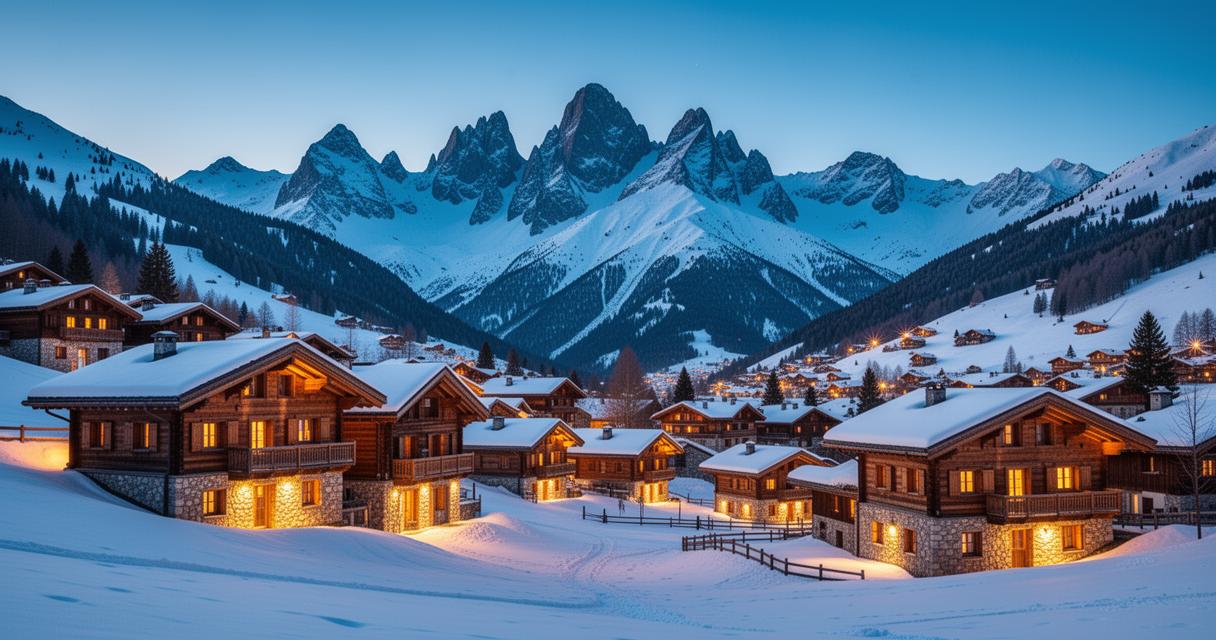
Nestled deep within the peaks of Haute-Savoie, Megève has long captured the imagination of travellers seeking both alpine beauty and refined living. What began as a quiet pastoral settlement has become one of the most storied winter destinations in France, its cobbled streets and timber chalets whispering tales of aristocratic ambition and mountain tradition alike.
The essentials
- In the 1920s, Baroness Noémie de Rothschild transformed the quiet farming village of Megève into a premier destination designed to rival famous Swiss ski resorts.
- The resort’s development shifted Megève’s local economy from traditional dairy farming to a sophisticated leisure industry centered on winter sports and mountain tourism.
- By the 1950s, the town was widely known as the ‘twenty-first arrondissement of Paris’ due to the high concentration of elite Parisian visitors it attracted.
- Early investments in innovative infrastructure, such as one of the first dedicated cable cars for downhill skiing, established Megève as a forward-thinking leader in mountain travel.
- The ski area is now part of the vast Evasion Mont-Blanc network, offering diverse terrain that emphasizes relaxed cruising and scenery over extreme sports.
- Megève successfully preserves its heritage through historic landmarks like the Church of Saint Jean-Baptiste and traditional architecture that blends with modern luxury facilities.
- The town maintains a vibrant culture today, combining its history and gastronomy with contemporary events like music festivals and lively markets.
How a Visionary Baroness Transformed a Rural Village into a Winter Sports Haven
The story of Megève cannot be told without mentioning Baroness Noémie de Rothschild, whose determination in the 1920s reshaped an unassuming market town into a fashionable escape for the elite. Family lore and market chatter often describe her ambition as building a French answer to a famous Swiss resort, and it was this drive that led to the creation of what many now regard as the oldest purpose-built ski resort in the Alps. The transformation was not merely architectural but cultural, as the sleepy rhythms of rural Savoie gave way to a new kind of leisure economy built around snow, style and mountain air.
From Pastoral Mountain Village to the French Riviera of Winter
Before the arrival of skiers and socialites, Megève was simply another farming village tucked into the folds of the Arly valley, its economy rooted in dairy farming and small trade. The shift towards tourism during the early twentieth century mirrored a broader fascination with mountain sports that was sweeping across Europe, yet Megève’s rise was distinct in how quickly it attracted a fashionable crowd. By the 1950s, the resort had earned a reputation so strong that it was affectionately nicknamed Paris’s twenty-first arrondissement, a nod to the Parisian sophistication that had settled comfortably into its mountain streets.
The Rothschild Legacy and Early Tourism in the Mont Blanc Massif
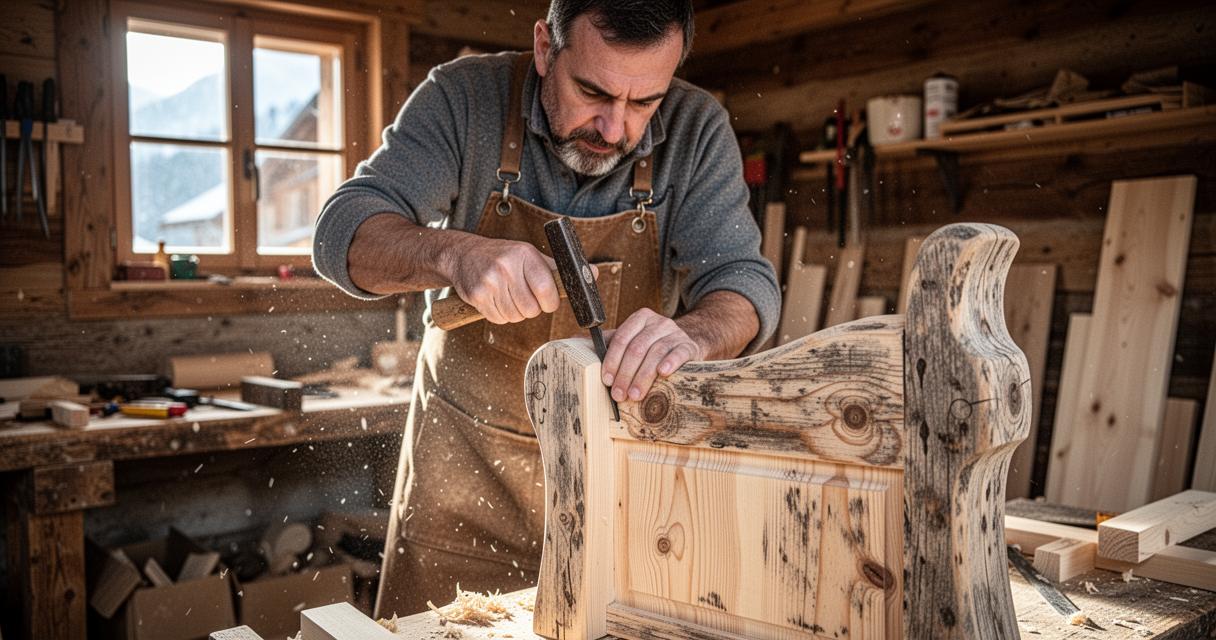
The Rothschild influence left an indelible mark on the region, encouraging the construction of hotels, chalets and leisure facilities that catered to a growing appetite for winter tourism. Megève’s proximity to the Mont Blanc massif only added to its allure, offering dramatic scenery that framed the new resort’s ambitions. Early visitors were drawn not just by the promise of skiing but by a broader vision of alpine living, one that combined comfort, culture and the crisp freedom of mountain air.
What Drew the Elite to Megève’s Slopes and Alpine Charm in the Early 20th Century
As word spread of this glamorous new mountain retreat, Megève began to attract a clientele eager for both adventure and refinement. The resort’s early development focused heavily on infrastructure, ensuring that visitors could experience the slopes with ease and comfort previously unseen in the region.
Ski Lifts, Chalets and the Mechanics of a New Mountain Resort
Central to Megève’s appeal was its investment in lifts and mechanics that made skiing accessible to a wider audience. One of the resort’s most celebrated additions was a cable car dedicated specifically to downhill skiing, a rarity at the time and a symbol of the resort’s forward-thinking approach. Today, the ski area forms part of the wider Evasion Mont-Blanc network, offering hundreds of kilometres of pistes suited primarily to intermediate skiers, alongside dedicated beginner zones and snow parks that make the resort welcoming for families and newcomers alike.
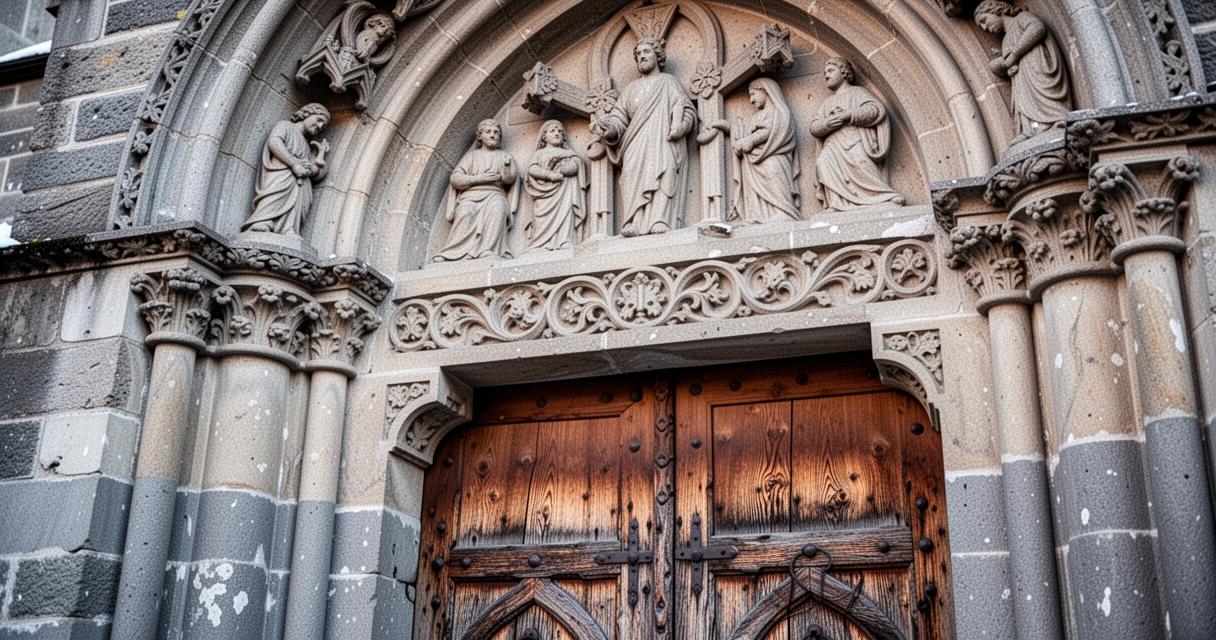
Facing Mont Blanc: The Geographical and Cultural Heart of Savoie
Skiing in Megève is traditionally divided into distinct sectors, each offering its own character. Rochebrune provides wooded, rolling terrain ideal for relaxed cruising, while the area around Mont d’Arbois enjoys sun-soaked slopes and some of the highest lift points in the resort. Meanwhile, quieter corners such as Le Jaillet offer gentler skiing away from the busier pistes. This blend of terrain, facing the commanding presence of Mont Blanc, has helped cement Megève’s identity as a resort built for style and enjoyment rather than extreme sport, appealing to those who value scenery and leisurely descents as much as the thrill of the slopes.
Which historical landmarks and traditions define megève today
Beyond its skiing pedigree, Megève retains a strong sense of history that continues to shape its identity as a mountain town rich in heritage and community life.
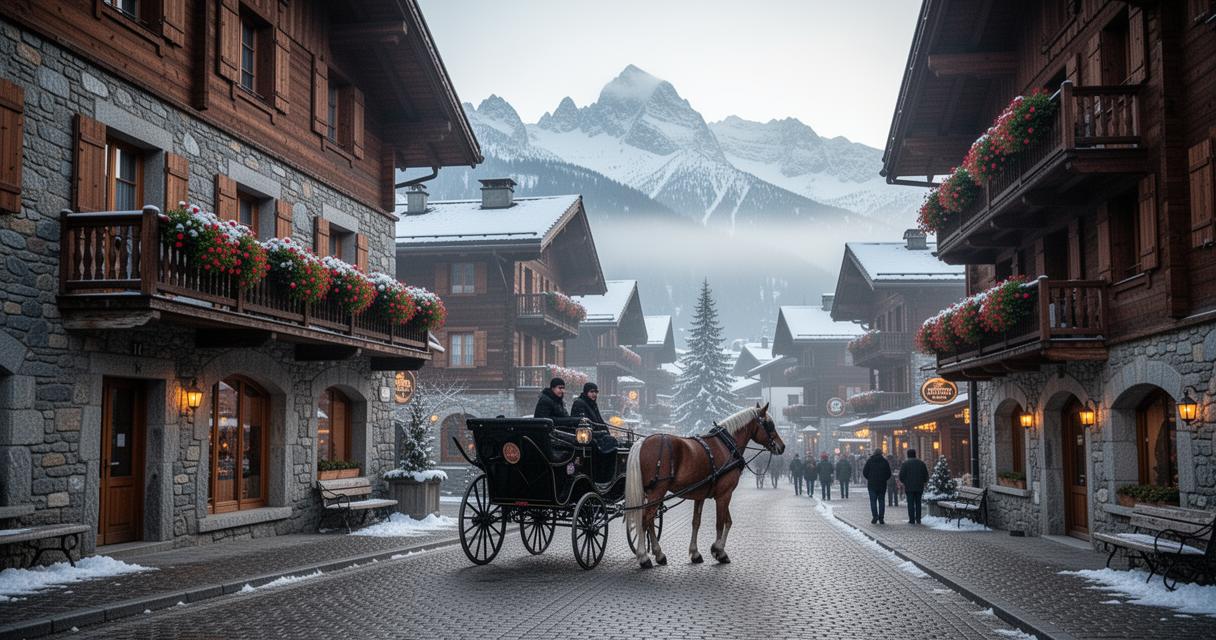
The Church of Saint Jean-Baptiste and the Architectural Inventory of the Arly Valley
The Church of Saint Jean-Baptiste stands as one of the most recognisable landmarks in Megève, a quiet reminder of the town’s origins long before skiing arrived. Surrounding villages such as Praz-sur-Arly and Saint-Nicolas-de-Véroce form part of a wider architectural inventory that reflects the traditional character of the Arly valley, where timber-framed chalets and stone façades sit comfortably alongside more modern developments. This blend of old and new gives Megève a distinctive charm that many visitors find just as compelling as the surrounding peaks.
Festivals, Blues and the Ongoing Evasion into France’s Skiable Country
Megève’s cultural calendar continues to thrive, with seasonal festivals bringing music, including jazz and blues, into its lively après-ski scene. The town’s weekly market remains a cherished tradition, where local cheeses and charcuterie draw both residents and visitors into the heart of Savoyard culinary culture. For those exploring the wider Evasion Mont-Blanc area, Megève serves as one of several gateways into a vast network of skiable country, connecting travellers to a broader alpine experience that stretches well beyond its own slopes. Whether drawn by its gastronomy, its history or simply the pleasure of mountain air, Megève continues to offer a distinctly French take on alpine living, shaped by decades of tradition and a landscape that never fails to impress.
 Traveling during the pandemic
 Best cities to visit
 Tips to save money when traveling
 Why Choose Tulum for Your Bachelorette Party?
 Preventing and Resolving Travel Disputes: Tips for a Worry-Free Adventure Organization
 Discover Vibrant LGBTQ+ Culture in Buenos Aires
 Discover the Charm of Vacation Rentals in Sicily for an Unforgettable Holiday
 Discover top tropical destinations for your next travel adventure
 Essential tips for starting your own travel blog
 Discovering the Latest Tech Gadgets for Enhancing Travel Accessories
 Explore the Thrill of a Motorcycle Road Trip Across Continents
 A Traveller’s Guide to San Francisco: The Best and Worst Neighbourhoods for Art & Travel Around Golden Gate Park’s Cultural Scene
 Mappy Itinerary: Calculate Your Travel Route in Paris and Its Districts and Navigate Between Family Activities with Ease
 7 Visits to Unusual Places to Do in Rome (+1 Bonus): Uncovering Secret Spots Away from Tourist Museums
 Surfing in Indonesia: Discover Watu Karung Beach – What Makes This Hidden Gem Perfect for Wave Riders
 Discover The Best Fishing Spots in Ireland: From Wild Atlantic Salmon to Trophy Pike in Hidden Loughs
 South african currency: what to know before your cape town adventure – the rand’s historical context
 Beyond the Beaches: Discovering Phuket’s Rooftop Bars and Nightlife Scene on Bangla Road
 How to Get to Antarctica by Cruise: Packing Essentials for Wildlife Watching and Research Trips
 March Escapes: Sunny Destinations Ideal for a Stay in March Beyond the Canary Islands
 Essential Accessories for a Trip to Thailand: Must-Have Items According to Expert Travel Guides
 The Best Vacation Rentals in Paris: A Comparison of Merveil Paris, Paris Vacation Apartments, and Yelp
 From Lengthy Layovers to Direct Routes: How the Duration of the Flight to Thailand Has Changed Over Time
 All about airports in vietnam: how civil aviation standards shape travel across major hubs
 Discovering the Ski Resort La Bresse Hohneck: How Weather Forecasts and Mountain Conditions Shape Your Alpine Experience
 Sustainable Family Adventures: Where Can One Go for Unusual Family Holidays at Eco-Friendly Resorts Off the Beaten Track?
 How to Find Car Rental Mahdia Cheap Prices from 48 DT: Top Tips for Spontaneous Travellers
 How Much Does a Mobile Home Cost in a Campsite? A Complete Guide to Seasonal Rental Space Pricing