Discovering the Ski Resort La Bresse Hohneck: How Weather Forecasts and Mountain Conditions Shape Your Alpine Experience
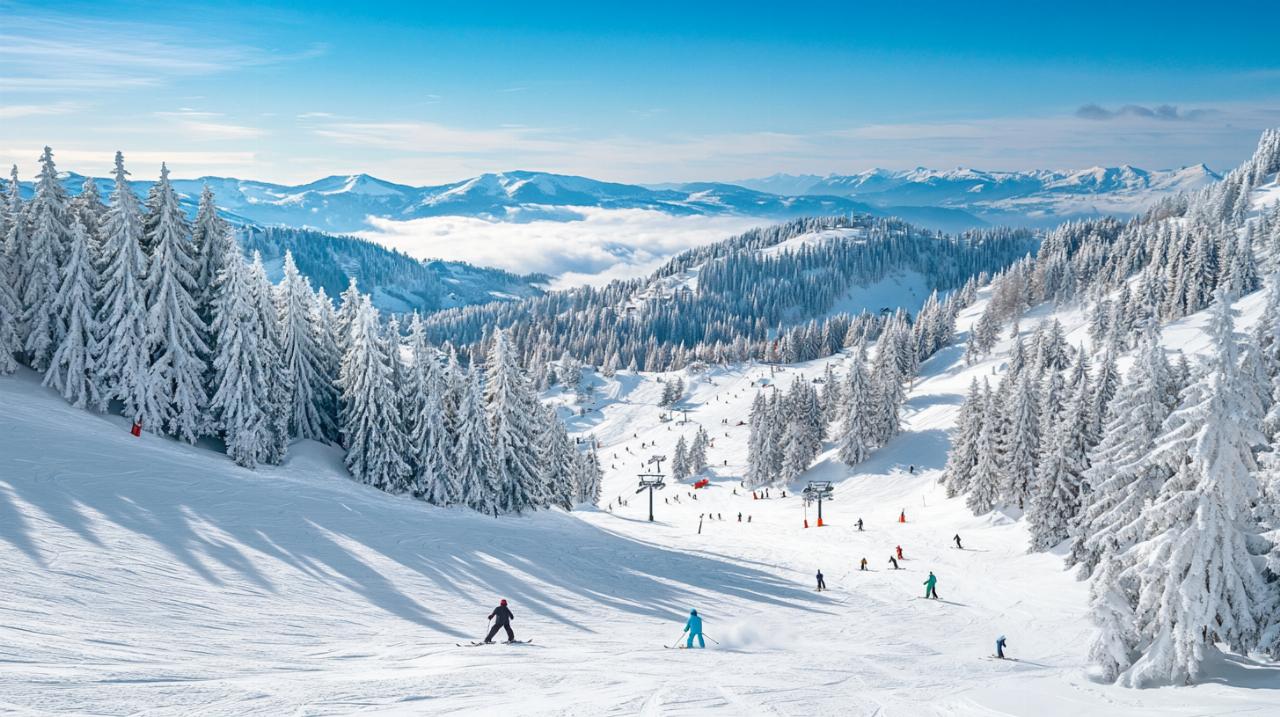
Nestled within the rolling peaks of the Vosges, this alpine destination offers a distinctive blend of natural beauty and winter sport opportunities. Whether you are a seasoned skier or a curious beginner, understanding how the mountain's weather and conditions influence your visit can transform a simple outing into a memorable adventure. With comprehensive forecasts and detailed insights into snow patterns, planning your trip to this French resort becomes both an art and a science.
Understanding la bresse hohneck's unique mountain climate
The climate surrounding La Bresse Hohneck is shaped by its position in the Vosges mountains, where the interplay of altitude and regional weather systems creates a unique environment for winter sports enthusiasts. The resort is situated at an altitude ranging from 900 to 1350 metres, placing it in a zone where temperature and precipitation can vary significantly over short distances. This variation makes accurate weather forecasts essential for anyone planning a visit, as conditions at the base of the mountain often differ markedly from those at the top lift.
Seasonal Weather Patterns in the Vosges Mountains
Throughout the winter months, the Vosges experience a mix of mild temperatures and occasional precipitation, influenced by both Atlantic weather systems and continental air masses. Recent forecasts for La Bresse Hohneck indicate a pattern of light rain rather than heavy snowfall, with total precipitation around six millimetres expected over a few days. Daytime temperatures can reach as high as 16 degrees Celsius at lower elevations, whilst nighttime lows may drop to just above freezing. This relatively mild climate means that snow reliability can fluctuate, and skiers should consult a detailed 6-day forecast or even a 16-day forecast to gauge conditions well in advance. Wind speeds generally remain light, ranging from four to 18 kilometres per hour, although stronger gusts can occur during shifting weather patterns. Understanding these seasonal trends helps visitors anticipate whether they will encounter mostly sunny skies, rain showers, or the rare spell of fresh snow.
How altitude affects snow quality and skiing conditions
Altitude plays a crucial role in determining the quality and consistency of snow cover at La Bresse Hohneck. At the summit, around 1350 metres, the freezing level can hover well above the peak during warmer spells, resulting in no snow forecast for extended periods. Conversely, the base at 900 metres often experiences even milder conditions, with temperatures sometimes reaching double digits in Celsius. Historical snow data reveals that during peak season, the resort typically maintains a snow depth of around 50 to 100 centimetres on the upper slopes, although recent reports indicate below average snow depth for this time of year. For instance, measurements have shown just 15 centimetres on the upper slopes and no snow at all at the top lift, which is notably less than the long-term average of 49 centimetres. This snow anomaly underscores the importance of checking current snow depth reports before heading out. The resort's 62 kilometres of slopes, which include 28 kilometres of blue runs, 23 kilometres of red runs, and 11 kilometres of black runs, each respond differently to these altitude-driven conditions, with higher elevations generally offering firmer, more reliable surfaces when snow is present.
Planning your visit around weather forecasts
Effective planning begins with a thorough review of the latest weather forecasts, which provide insights into temperature ranges, wind conditions, and the likelihood of precipitation. For La Bresse Hohneck, accessing a reliable 6-day forecast or a more extended 16-day forecast can help you identify the best window for your visit. Current data suggests that the coming days will feature a mix of mostly sunny spells and occasional rain showers, with temperatures at the mountain level fluctuating between minus three and 16 degrees Celsius. At the base, these figures can climb even higher, reaching up to 18 degrees Celsius. Such mild temperatures mean that the snow line will remain elevated, and skiers should be prepared for conditions that may not always favour fresh powder.
Best Times to Hit the Slopes Based on Meteorological Data
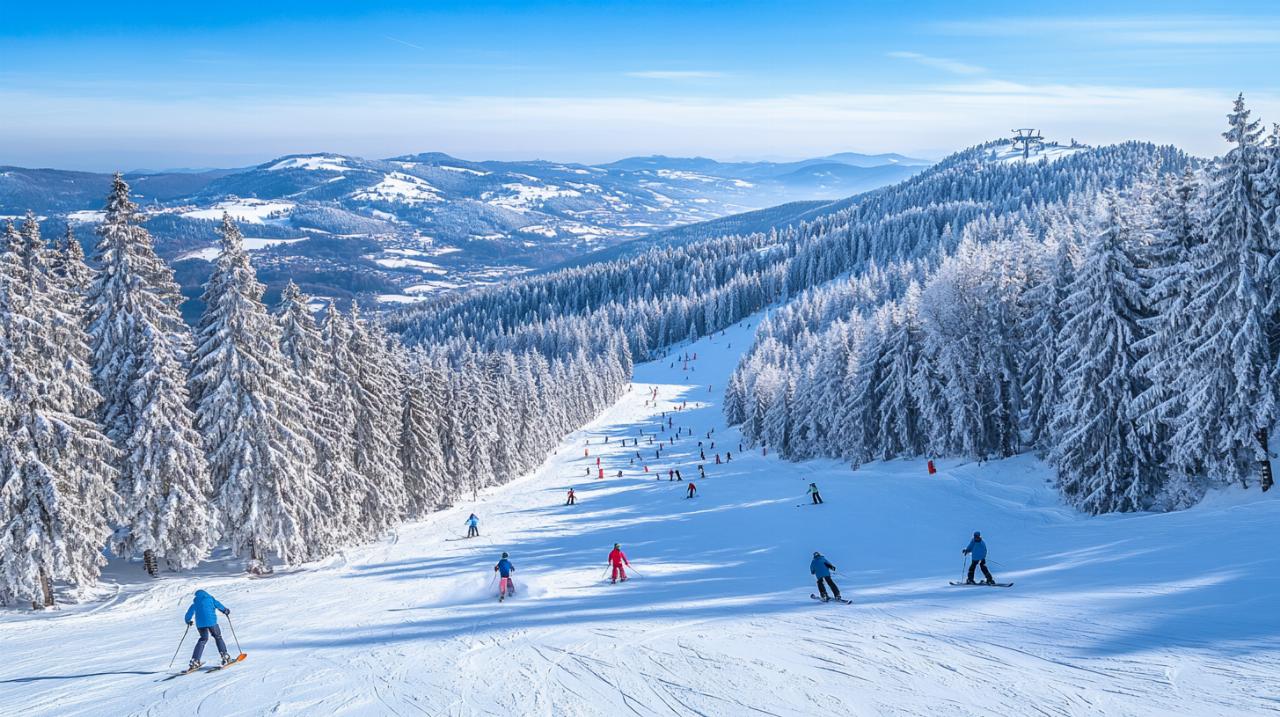
Timing your visit to coincide with favourable weather can make all the difference between an exhilarating day on the piste and a frustrating experience. Forecasts indicate that the next few days will see light rain, particularly on Friday night, with very mild temperatures peaking on Saturday afternoon. Following this, conditions are expected to become mostly dry, with temperatures dropping slightly but remaining above freezing. Wind speeds will increase gradually, reaching around 18 kilometres per hour by midweek. For those who prefer crisp, sunny days, Tuesday and Wednesday appear promising, with mostly sunny skies and minimal chance of precipitation. However, the absence of fresh snow means that the piste difficulty may be affected, as runs could become icy or patchy. Checking the sunrise and sunset times can also help you maximise daylight hours, allowing you to enjoy the slopes when natural light is at its best. Atmospheric pressure and humidity levels, which are included in detailed forecasts, offer additional clues about stability and comfort on the mountain.
Essential Weather Resources for Skiers and Snowboarders
A range of resources is available to help you stay informed about current and future conditions at La Bresse Hohneck. Weather forecasts issued on a daily basis provide updates on temperature at both the mountain and base levels, as well as detailed information on wind speed, chance of precipitation, and snow line elevation. For example, recent data indicates that the freezing level is at 2817 metres, well above the resort's highest point, which explains the lack of snow at present. In addition to standard forecasts, historical snow data can offer valuable context, showing that in week 16 of the year, the average snow depth has typically been around 28 centimetres at lower slopes and 49 centimetres higher up. This long-term perspective helps you understand whether current conditions are unusually mild or part of a broader trend. Astronomical data, including twilight, sunrise, sunset, moonrise, and moonset times, can also enhance your planning, particularly if you enjoy early morning or late afternoon skiing. Many skiers find it useful to review visitor ratings and recent reviews, which currently average around 3.7 based on 20 votes and eight reviews, to get a sense of the overall experience at the resort.
Maximising your alpine adventure at la bresse hohneck
Once you have a clear understanding of the weather and snow conditions, the next step is to tailor your visit to match your skill level and personal preferences. La Bresse Hohneck offers a diverse range of ski slopes, with 17 lifts serving 62 kilometres of pistes that cater to beginners and advanced skiers alike. The resort's blue runs, which account for 45.2 percent of the total, are ideal for those still building confidence, whilst the red runs at 37.1 percent and black runs at 17.7 percent provide more challenging terrain for experienced skiers. Understanding how current mountain conditions affect each type of run can help you make the most of your time on the slopes.
Matching your skill level to current mountain conditions
Current conditions at La Bresse Hohneck suggest that skiers should be prepared for variable snow quality, with some areas showing no snow at all and others maintaining modest coverage. For beginners, this may mean sticking to lower altitude runs where snow depth is more consistent, even if it is below the long-term average. Intermediate skiers can explore red runs, but should be aware that icy patches and exposed rocks may be present, particularly on south-facing slopes that receive more direct sunlight. Advanced skiers tackling black runs should exercise extra caution, as the lack of fresh snow can make these already challenging pistes even more demanding. It is also worth noting that the resort's coordinates at 48.00 degrees north latitude and 6.88 degrees east longitude place it in a region where weather can change rapidly, so flexibility in your plans is essential. Checking real-time updates on snow depth and temperature at both the top lift and bottom lift can help you decide which runs to attempt on any given day.
Safety considerations when weather turns challenging
Whilst the allure of the slopes is strong, safety must always remain a priority, especially when weather conditions are less than ideal. Light rain and mild temperatures can create slushy, unpredictable surfaces that increase the risk of falls and collisions. When rain showers are forecast, visibility may be reduced, and the chance of precipitation can climb to 70 percent, making it harder to spot hazards on the piste. Wind conditions, which can gust up to 36 kilometres per hour at the mountain level, may also affect lift operations and create challenging conditions for less experienced skiers. In such scenarios, it is wise to stay informed through continuous monitoring of weather forecasts and to be prepared to adjust your plans accordingly. Humidity and atmospheric pressure readings, whilst less immediately obvious, can also indicate approaching fronts or changes in weather patterns. For those travelling from afar, the nearest airport is Basel, located approximately 92.8 kilometres away with a transfer time of around one hour and 30 minutes, so allow extra time in case of adverse weather affecting travel. The resort's snow sure rank of 93 out of 100 suggests that whilst conditions can vary, there is generally a reasonable expectation of skiable terrain during peak season, provided you remain adaptable and informed.
 Taking a vacation after a long work year.
 Discover the Var region
 USA: THE NEW APPLICATION TO MEET YOUR TRANSGENDER CRUSH
 The top tropical vacation destination
 Why Choose Tulum for Your Bachelorette Party?
 Yacht: Play the Originality Card on Vacation
 Professions That Accompany People During Their Holidays
 Mountain Vacations: What Can You Expect From Your Rental in the French Alps?
 Discover Europe on a Motorcycle: A Royal Enfield Adventure
 Preventing and Resolving Travel Disputes: Tips for a Worry-Free Adventure Organization
 Discover the Charm of Vacation Rentals in Sicily for an Unforgettable Holiday
 Essential Hotel Hygiene Tips for a Safe Stay in Hammamet
 Discover top tropical destinations for your next travel adventure
 Exploring Torremolinos: Top Activities for a Memorable Spain Holiday
 Discover the Best Beach Hotels in Spain for Your Next Relaxing Getaway
 Discover charming boutique hotels in seville province
 Discovering the Latest Tech Gadgets for Enhancing Travel Accessories
 Mappy Itinerary: Calculate Your Travel Route in Paris and Its Districts and Navigate Between Family Activities with Ease
 Best Self-Inflating Camping Mattresses 2023: Sleep Like You’re on a Cloud in the Wild – Choosing the Right Size for Maximum Comfort
 Travel in March to Italy: The Weather and Must-Visit Destinations in Spring – Combining Culture with Wellness in Florence and Beyond
 Beyond the Beaches: Discovering Phuket’s Rooftop Bars and Nightlife Scene on Bangla Road
 The Fruits of Martinique: A Tropical Treasure to Discover in Vitamin-Rich Traditional Drinks
 Camping holidays archives – travel escape: what pet owners must know before booking their next adventure
 March Escapes: Sunny Destinations Ideal for a Stay in March Beyond the Canary Islands
 Essential Accessories for a Trip to Thailand: Must-Have Items According to Expert Travel Guides
 Beyond the Freedom: Living in a Motorhome and the Drawbacks to Expect from Moisture and Mould in Confined Spaces
 Exploring Greece on a Budget: 10 Destinations to Visit in Greece with Hostels and Camping Options
 The Complete Guide on How to Organise a Trip to the Beach with Reliable Transportation Solutions