Beyond the Freedom: Living in a Motorhome and the Drawbacks to Expect from Moisture and Mould in Confined Spaces
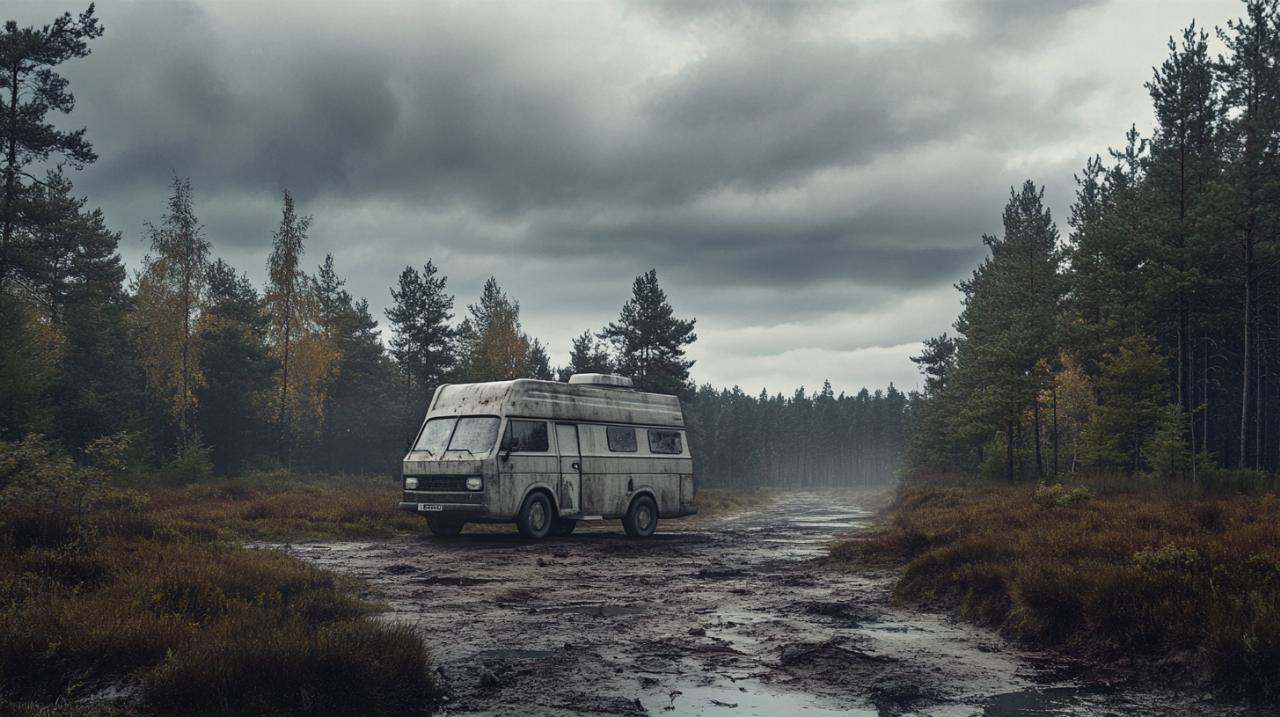
Embracing the open road in a motorhome offers an undeniable sense of adventure and freedom, allowing you to wake up to new vistas and explore the country at your own pace. However, beneath the allure of van life lies a series of practical challenges that demand careful consideration. From the financial implications of ownership to the persistent battle against moisture and mould in such confined quarters, the reality of motorhome living often diverges from the idealised images shared on social media. Understanding these drawbacks is essential for anyone contemplating a life on four wheels.
The Financial Reality: Costs of Purchasing and Maintaining a Motorhome
Initial investment and insurance premiums
Acquiring a motorhome represents a significant financial commitment that extends far beyond the initial purchase price. Whether opting for a brand-new model from a dealer such as Travelworld in Stafford or selecting an approved used vehicle through their Elevation X programme, buyers must prepare for a substantial outlay. The cost varies widely depending on the make and brand, with German manufacturers like HYMER, Dethleffs, and Niesmann+Bischoff commanding premium prices due to their build quality and reputation. Even when choosing a pre-owned campervan, prospective owners should anticipate thousands of pounds in expenditure before they can set off on their first journey.
Insurance premiums for motorhomes are another unavoidable expense that can strain budgets, particularly for those new to this lifestyle. Policies must cover not only the vehicle itself but also the unique risks associated with living in a moving home, such as damage from damp, theft of personal belongings, and potential structural issues. Securing appropriate motorhome insurance is crucial, as repairs resulting from condensation, leaks, or mould can be costly and may not be covered under basic policies. Additionally, breakdown cover becomes an essential safeguard, ensuring that help is available when mechanical failures occur far from home or in remote camping locations across the UK.
Ongoing maintenance and unexpected repair expenses
Regular upkeep is a non-negotiable aspect of motorhome ownership, with habitation services recommended annually to ensure safety and compliance. These comprehensive checks include full damp reports, gas and electrical inspections, and assessments of the body condition, all of which are vital for detecting issues before they escalate. Facilities like the NCC Approved Workshop at Travelworld or a Fiat Professional service centre provide the expertise required for these examinations, but such services come at a price. Owners must also budget for MOT tests, routine servicing, and the replacement of worn components, all of which add to the cumulative cost of maintaining a roadworthy home.
Unexpected repair expenses can quickly derail financial plans, particularly when structural damage is discovered. Problems such as wood rot, hidden damp, or leaks around TV aerials and Wi-Fi antennas often remain unnoticed until they have caused significant harm. Fixing these issues may involve extensive repairs to soft furnishings, seals, and even the framework of the motorhome. Parts and accessories must be sourced, sometimes at considerable expense, and labour charges can mount rapidly when specialist skills are required. For those who underestimate these ongoing costs, the dream of affordable, mobile living can become a financial burden rather than a liberation.
Space Constraints and Comfort Compromises in Van Life
Limited storage and downsizing your possessions
Transitioning to life in a motorhome necessitates a dramatic reduction in personal belongings, as the interior space available for storage is minimal compared to a traditional house. Cupboards, wardrobes, and under-bed compartments must accommodate everything from clothing and kitchenware to tools and recreational gear, leaving little room for sentimentality or excess. This downsizing process can be emotionally challenging, forcing individuals to prioritise essentials and part with items that once held significance. Even with careful organisation, the lack of storage often leads to frustration, as finding space for new purchases or seasonal items becomes a constant puzzle.
Airflow around stored items is another consideration that impacts both comfort and the condition of possessions. Leaving cupboards ajar to promote circulation is recommended to prevent the buildup of moisture, which can lead to mildew on fabrics and damage to stored goods. However, this practice further reduces the sense of order and privacy within the confined living area. The need to keep things clean and dry, especially within enclosed spaces, adds to the daily chores and vigilance required to maintain a habitable environment. For many, the trade-off between freedom and the practicalities of limited storage proves more demanding than anticipated.
Reduced amenities compared to traditional housing
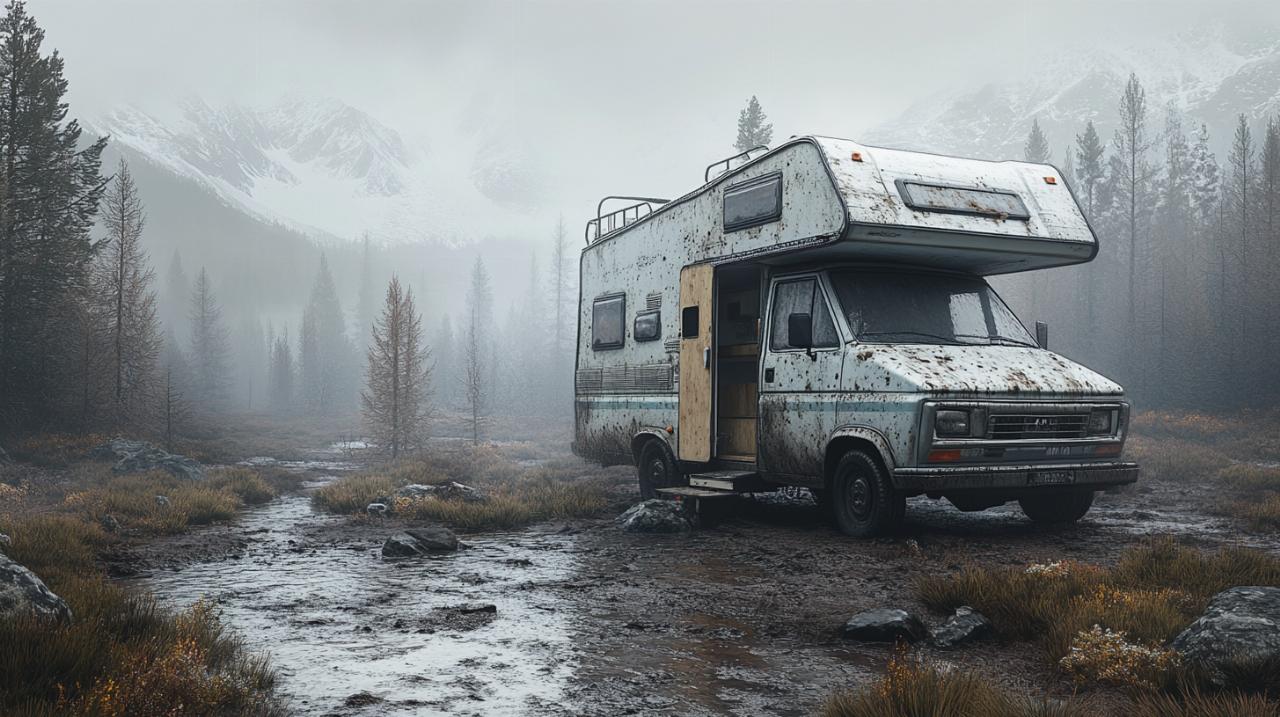
Living in a motorhome means accepting a marked reduction in the amenities and conveniences taken for granted in a conventional home. The compact kitchens lack the counter space and appliances found in a typical house, making meal preparation more labour-intensive and creativity in cooking a necessity. Showering indoors can be particularly problematic, as the small wet rooms generate significant amounts of steam and condensation, which, if not managed properly, contribute to damp issues and the growth of mould. Many motorhome dwellers opt to use campsite facilities for washing and laundry, but this reliance on external services can be inconvenient and sometimes unavailable, particularly during off-peak seasons or when wildcamping.
The absence of separate living spaces further erodes comfort, as the same area serves as bedroom, lounge, and dining room. This lack of privacy can strain relationships and make it difficult to find personal space for work or relaxation. Thermal insulation in motorhomes is generally inferior to that of brick-and-mortar buildings, meaning that maintaining a comfortable temperature in winter requires constant heating, which drains battery systems or necessitates connection to mains power. The persistent cold and the need to keep windows open for ventilation can create an uncomfortable living environment, especially during the cooler months when camping in the UK. For those accustomed to the spaciousness and stability of traditional housing, these compromises can be a source of ongoing dissatisfaction.
Essential utilities: managing water and electricity access
Fresh water supply and waste management challenges
Access to fresh water is a fundamental requirement for motorhome living, yet it presents logistical challenges that demand careful planning and frequent attention. Onboard tanks have limited capacity, meaning that regular refills are necessary, often requiring visits to campsites or designated service points. Running out of water mid-journey or in a remote location can be inconvenient and uncomfortable, particularly when cooking, washing, or maintaining hygiene. Spills and leaks from the water system also contribute to unwanted moisture within the vehicle, exacerbating problems with condensation and creating breeding grounds for mould and mildew in hidden areas.
Waste management is equally demanding, as grey water from sinks and showers, along with black water from toilets, must be emptied regularly at appropriate disposal facilities. This task is far from glamorous and can be unpleasant, particularly when campsites are busy or facilities are poorly maintained. Ensuring that tanks do not overflow requires vigilance, and failure to manage waste properly can lead to unpleasant odours and potential health hazards. The need to plan routes and stops around the availability of water and waste disposal points adds a layer of complexity to travel, diminishing the spontaneity that many associate with the freedom of van life.
Power solutions including solar panels and battery systems
Electricity is another essential utility that must be carefully managed in a motorhome, as the power available is limited by battery capacity and charging options. Many modern campervans are equipped with solar panels, which provide a renewable source of energy during daylight hours, but their effectiveness is heavily dependent on weather conditions. In the UK, where overcast skies and shorter winter days are common, solar power alone is often insufficient to meet daily energy demands. This limitation means that owners must supplement their power supply by connecting to mains electricity at campsites or running generators, both of which incur additional costs and reduce the sense of self-sufficiency.
Battery systems require regular monitoring and maintenance to ensure they function efficiently and do not fail unexpectedly. Using plug-in dehumidifiers, electric radiators, or extractor fans to combat moisture and improve air circulation places further strain on these systems, necessitating careful energy management. Balancing the need for ventilation and heating with the limited power available can be a constant juggling act, particularly during winter storage or extended periods of off-grid camping. The investment in high-quality solar panels and battery upgrades can mitigate some of these issues, but the upfront expense and ongoing technical knowledge required present additional barriers. For those unprepared for the intricacies of managing electricity in such a mobile and constrained environment, the dream of life on the road can quickly become mired in practical frustrations.
 Traveling during the pandemic
 Best cities to visit
 Tips to save money when traveling
 Costa Rica rental car with Jumbocar; Way to enhance your travel experience?
 Why Choose Fuerteventura as Your Next Holiday Destination?
 Preventing and Resolving Travel Disputes: Tips for a Worry-Free Adventure Organization
 10 Sustainable Travel Destinations for Eco-Conscious Explorers
 Discover Vibrant LGBTQ+ Culture in Buenos Aires
 Discover the Charm of Vacation Rentals in Sicily for an Unforgettable Holiday
 Discover top tropical destinations for your next travel adventure
 Discover Eco-Friendly Lodging Options in Guadeloupe for Your Next Vacation
 Discover the Ultimate Adventure Travel Guide for Family Adventures Across Europe
 Essential tips for starting your own travel blog
 Discovering the Latest Tech Gadgets for Enhancing Travel Accessories
 Azureva vs. The Competition: Finding Your Perfect All-Inclusive French Holiday Village in 2026
 Explore the Thrill of a Motorcycle Road Trip Across Continents
 A Traveller’s Guide to San Francisco: The Best and Worst Neighbourhoods for Art & Travel Around Golden Gate Park’s Cultural Scene
 Camping in Tangier, Morocco: Everything you need to know for a successful camping trip – The ultimate guide to camping kit for Morocco’s coastal paradise
 7 Visits to Unusual Places to Do in Rome (+1 Bonus): Uncovering Secret Spots Away from Tourist Museums
 Travel-Inspired Interior Design Ideas for Creating a Relaxing Home Environment
 Discover Brilliant Activities and Great Deals for Your Holidays in Andorra This Winter Season
 Surfing in Indonesia: Discover Watu Karung Beach – What Makes This Hidden Gem Perfect for Wave Riders
 Discover The Best Fishing Spots in Ireland: From Wild Atlantic Salmon to Trophy Pike in Hidden Loughs
 South african currency: what to know before your cape town adventure – the rand’s historical context
 Beyond the Beaches: Discovering Phuket’s Rooftop Bars and Nightlife Scene on Bangla Road
 Redefining Connection: Meal with Locals – Review the Definition of Authentic Culinary Storytelling
 How to Get to Antarctica by Cruise: Packing Essentials for Wildlife Watching and Research Trips
 March Escapes: Sunny Destinations Ideal for a Stay in March Beyond the Canary Islands