
Discover ergonomic office chair solutions for enhanced workplace efficiency
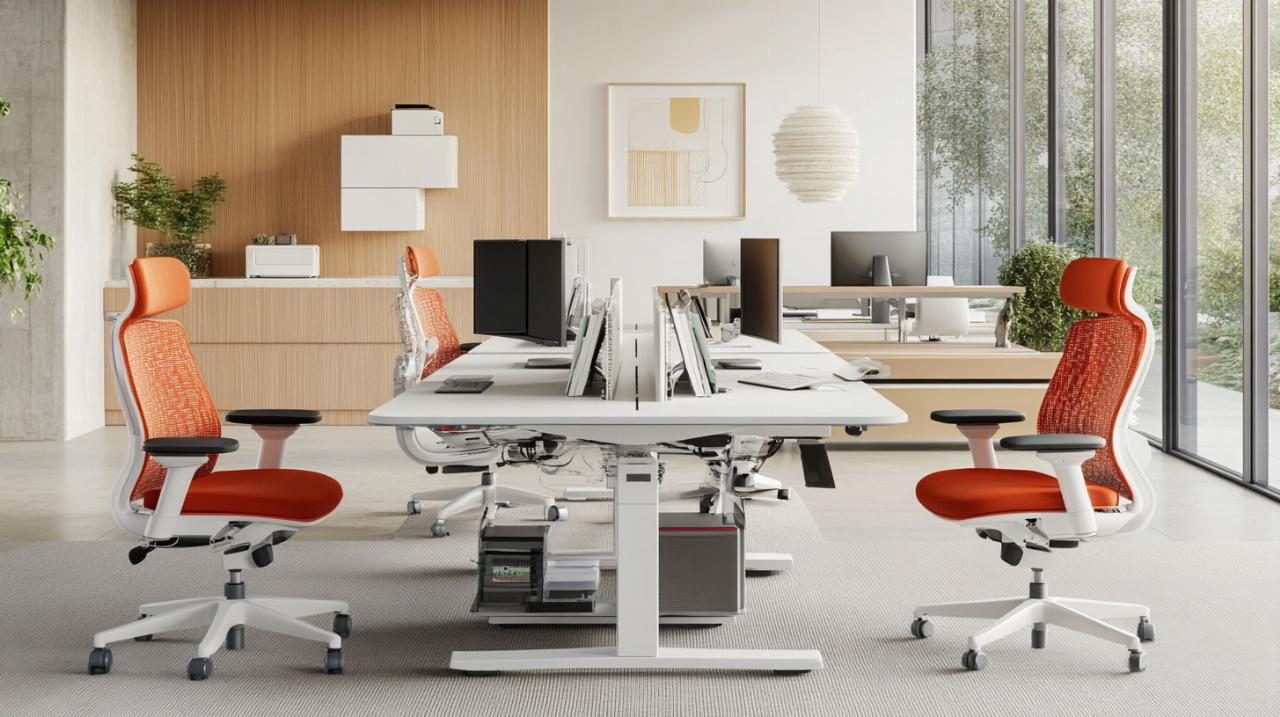
The modern workplace demands more than just traditional furniture. As businesses increasingly recognise the profound impact of employee wellbeing on overall performance, the conversation has shifted towards creating environments that actively support health and productivity. Investing in quality seating is no longer a luxury but a strategic necessity, one that addresses the mounting concerns of musculoskeletal disorders and declining morale whilst simultaneously unlocking untapped potential within teams. Understanding how the right approach to workplace furnishings can transform day-to-day operations is essential for any organisation aiming to thrive in today's competitive landscape.
The essential health benefits of ergonomic office seating
Addressing the health implications of prolonged sitting has become a critical priority for employers across the United Kingdom. The statistics are sobering, with roughly thirty-two per cent of office workers reporting persistent back pain directly linked to inadequate seating arrangements. This widespread discomfort is not merely an inconvenience; it contributes significantly to absenteeism and reduced engagement. When employees are forced to endure physical strain throughout their working hours, the cumulative effect manifests as chronic conditions that can lead to extended periods away from the office. The introduction of properly designed seating has been shown to mitigate these risks substantially, offering a tangible solution to a pervasive problem.
Reducing musculoskeletal strain and preventing long-term injuries
Musculoskeletal disorders represent one of the most common workplace ailments, often resulting from sustained poor posture and inadequate support. When individuals sit in chairs that fail to accommodate the natural curves of the spine, the body compensates by placing undue stress on muscles, ligaments, and joints. Over time, this compensation leads to discomfort that can escalate into debilitating conditions. By contrast, seating solutions that prioritise anatomical alignment actively work to distribute weight evenly and reduce pressure points. This proactive approach not only alleviates existing discomfort but also serves as a preventative measure against future injuries. The reduction in musculoskeletal complaints translates directly into fewer sick days and a healthier workforce overall.
Supporting Proper Posture and Spinal Alignment Throughout the Workday
Maintaining correct posture is fundamental to long-term spinal health, yet many traditional chairs inadvertently encourage slouching or forward head positioning. Properly designed seating incorporates features such as lumbar support, which cradles the lower back and encourages the spine to maintain its natural S-shaped curve. Adjustable seat height and tilt mechanisms further empower users to customise their seating position, ensuring that feet rest flat on the floor and thighs remain parallel to the ground. This level of personalisation is crucial, as no two individuals share identical body dimensions or working habits. When the spine is correctly aligned, the surrounding muscles work less strenuously to maintain balance, resulting in sustained comfort and reduced fatigue as the day progresses.
Maximising workplace productivity through strategic seating solutions
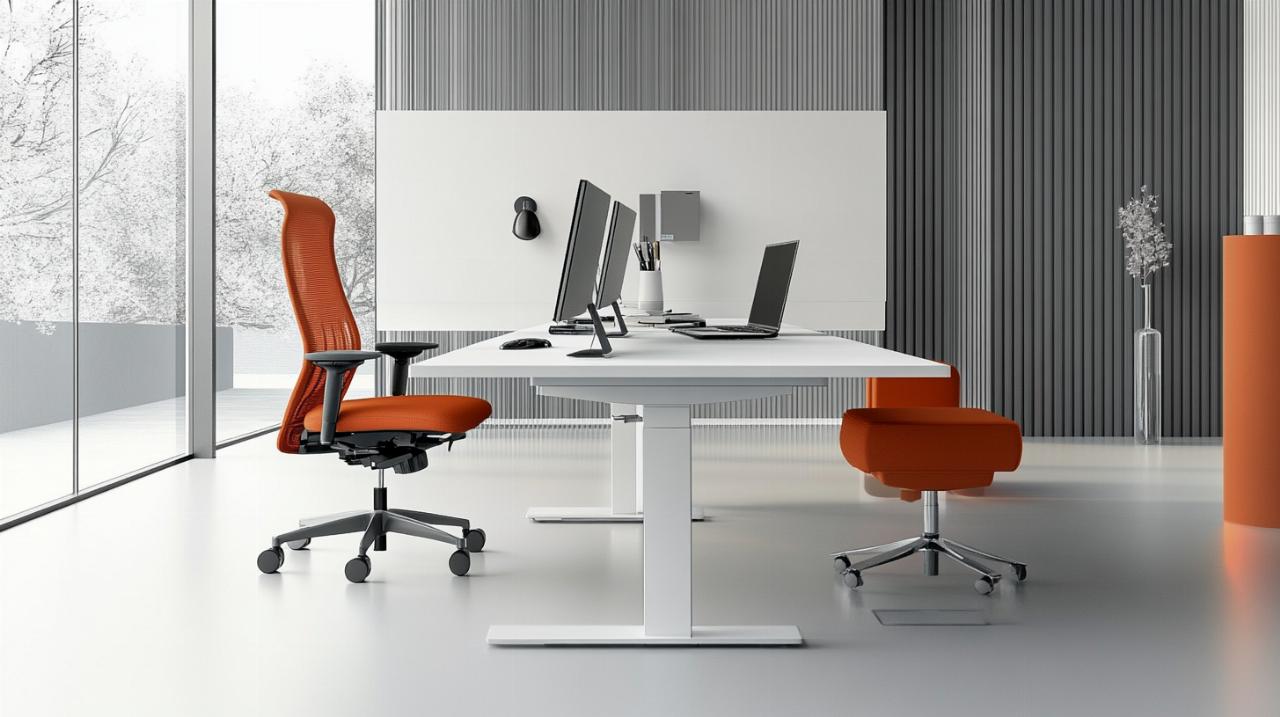
The relationship between physical comfort and mental performance is well documented. When employees are distracted by aches, pains, or the need to constantly adjust their seating position, their ability to concentrate diminishes markedly. Conversely, when individuals feel supported and comfortable, they can channel their full attention towards the tasks at hand. This shift in focus has been empirically validated, with organisations reporting impressive gains in output following the implementation of comprehensive seating upgrades. One notable case study highlighted a forty per cent reduction in absenteeism and a twenty-five per cent increase in productivity within just six months of introducing ergonomic office chair solutions. These figures underscore the profound impact that thoughtful furniture selection can have on operational efficiency.
The direct correlation between comfort and employee performance
Comfort is not merely a subjective experience; it has measurable effects on cognitive function and task completion rates. When the body is free from discomfort, energy levels remain stable, and mental clarity is maintained throughout the workday. Employees who are not preoccupied with physical discomfort are more likely to engage deeply with their work, demonstrate creativity, and contribute meaningfully to team objectives. Furthermore, the psychological benefits of knowing that an employer values wellbeing cannot be overstated. This perception fosters loyalty and enhances overall job satisfaction, creating a positive feedback loop that benefits both individuals and the organisation. The financial implications are equally compelling, as the cost savings realised through reduced healthcare expenditure and enhanced output often justify the initial investment within a year.
Selecting the Right Ergonomic Features for Your Working Environment
Choosing appropriate seating requires a nuanced understanding of both the work being performed and the individuals performing it. Not all roles demand the same features, and a one-size-fits-all approach is rarely effective. Task chairs, for instance, are well suited to roles that involve frequent movement and varied activities, offering versatility and ease of adjustment. Executive chairs, on the other hand, often incorporate additional padding and aesthetic refinement, reflecting the needs of senior personnel who may spend extended periods seated during meetings or strategic planning sessions. Collaborative seating solutions cater to team environments where flexibility and mobility are paramount, whilst visitor and conference chairs balance comfort with space efficiency. Key features to consider include adjustable armrests, which reduce shoulder and neck tension, high-quality padding that provides lasting support, and robust tilt mechanisms that allow users to recline safely. For those working around the clock, such as in public safety or healthcare settings, specialised models designed for continuous use ensure durability and sustained comfort. Bariatric options and two-step stools further expand the range of solutions available, accommodating diverse physical needs and workplace configurations.
Evaluating potential purchases involves more than reviewing specifications on paper. Wherever possible, employees should be encouraged to test chairs before final decisions are made, ensuring that the chosen model aligns with individual preferences and working styles. This hands-on approach not only increases the likelihood of satisfaction but also signals a genuine commitment to employee wellbeing. Education plays a vital role in maximising the benefits of any seating investment. Providing clear guidance on how to adjust seat height, lumbar support, and armrests ensures that each individual can tailor their chair to their unique requirements. Regular monitoring and feedback collection further enable organisations to refine their approach, identifying any gaps in provision and celebrating successes.
Looking ahead, trends for the coming years emphasise sustainability, with an increasing number of manufacturers prioritising eco-friendly materials and production processes. Aesthetic design is also gaining prominence, as businesses recognise that functional furniture need not sacrifice visual appeal. Enhanced adjustability remains a constant, with innovations allowing even greater customisation to accommodate a broader spectrum of body types and preferences. Leading brands such as Herman Miller, Steelcase, and Humanscale continue to set the standard, combining cutting-edge research with practical design to deliver products that truly make a difference. Whether sourcing new or exploring the used market, where price ranges span from under one hundred pounds to well over five hundred, the key is to balance budget constraints with quality and longevity. Ultimately, the goal is to create a work environment where every individual feels valued and supported, enabling them to perform at their best day after day.
 Costa Rica rental car with Jumbocar; Way to enhance your travel experience?
 How passport marketing is revolutionizing digital content management
 The Future of Online Reputation: Innovative Digital Solutions to Enhance Your Business Reach in 2024
 Leveraging technological solutions for business growth
 Effective Asset Management Strategies for Business Growth