Discover The Best Fishing Spots in Ireland: From Wild Atlantic Salmon to Trophy Pike in Hidden Loughs
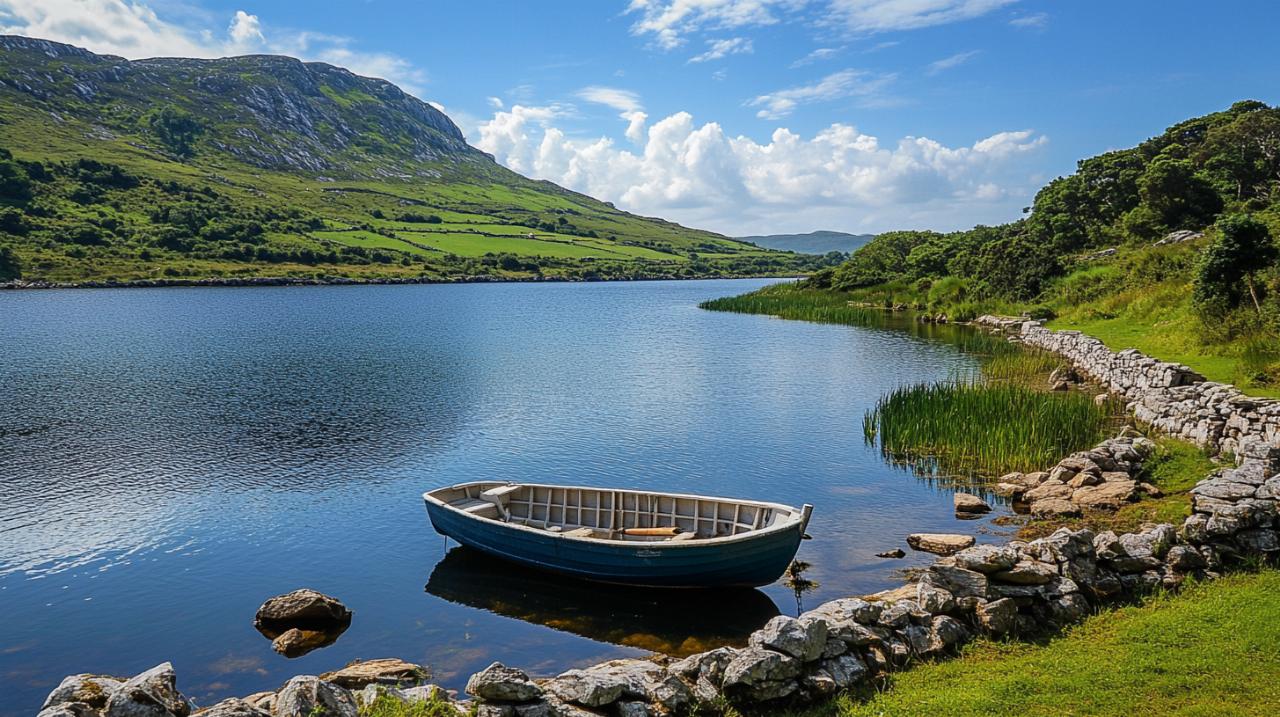
Ireland has long been celebrated for its extraordinary fishing opportunities, drawing anglers from across Europe and beyond to its pristine rivers, expansive loughs, and rugged coastline. The island's varied waterways offer everything from the thrill of landing a wild Atlantic salmon to the challenge of hooking a record-breaking pike in secluded inland lakes. Whether you are an experienced fly fisher seeking the perfect cast or a novice eager to learn the craft, the Irish landscape provides an unmatched backdrop for unforgettable angling adventures. From the dramatic west coast to the tranquil midlands, every region boasts its own unique character and fishing heritage.
Premier Salmon and Trout Waters Along Ireland's Western Rivers and Loughs
The western regions of Ireland are renowned for their exceptional salmon and trout fishing, with rivers and loughs that have attracted anglers for generations. The combination of wild Atlantic waters, abundant fish stocks, and breathtaking scenery makes this area a top destination for those in pursuit of quality angling experiences. The fishing season typically runs from early spring through to autumn, offering ample opportunity to explore diverse locations and test your skills against some of the most sought-after species in Europe.
Carrowmore Lake and Lough Conn: Wild Salmon Paradise in the North-West
Carrowmore Lake, nestled in the heart of County Mayo, stands as one of the jewels of Irish salmon fishing. Its clear waters and healthy fish populations make it a prime spot for both seasoned anglers and those new to the sport. The lake is part of a larger system that includes Lough Conn, another celebrated venue where wild salmon and trout thrive in abundance. Lough Conn's reputation extends far beyond Ireland, with anglers travelling from distant shores to experience its legendary spring and summer runs. The Great Western Lakes, which encompass Conn and Cullin among others, are steeped in angling tradition and offer a fishing experience that is both challenging and rewarding.
Fishing in these waters demands patience and skill, as the fish are known for their strength and wariness. The use of appropriate line and tackle is essential, with many anglers opting for fly fishing techniques that have been refined over decades. Local guides are readily available to share their knowledge of the best spots and times to fish, ensuring that visitors make the most of their time on the water. The surrounding countryside is equally captivating, with rolling hills and rugged coastline providing a stunning backdrop to a day spent casting for salmon or trout.
Lough Currane and Waterville: Renowned Sea Trout Fisheries on the Atlantic Coastline
Further south along the west coast, Lough Currane near Waterville in County Kerry has earned a reputation as one of the finest sea trout fisheries in Europe. The lake's connection to the Atlantic via the Owenmore River creates ideal conditions for sea trout and salmon, which migrate upstream in impressive numbers from April through to October. Waterville itself is a charming village that has long been associated with fishing excellence, and its hotels and bars offer warm hospitality to visiting anglers. The combination of quality accommodation and world-class fishing makes this area a natural choice for those planning an extended angling trip.
The fishing in Lough Currane is varied and exciting, with opportunities to target brown trout, sea trout, salmon, and even bass along the nearby coastline. The river system passes through nine interconnected lakes within a compact area, providing diverse fishing environments within easy reach. Anglers can choose to fish from the shore or hire a boat to access deeper waters where larger fish are often found. The local fishing community is both knowledgeable and welcoming, with many guides offering their services to help visitors navigate the best spots and understand the subtle nuances of the water. Whether you are wading a shallow stream or drifting across a windswept lough, the experience of fishing in this part of Ireland is truly memorable.
Exceptional Pike Fishing in Ireland's Hidden Inland Lakes and Waterways
While salmon and trout may dominate the headlines, Ireland's inland lakes and river systems are equally famous for their exceptional pike fishing. These predatory fish can grow to impressive sizes in the nutrient-rich waters of the midlands and north, offering anglers the chance to battle trophy specimens in beautiful and often remote settings. The quiet loughs and slow-moving rivers of counties such as Cavan, Westmeath, and Roscommon are particularly productive, with some locations regularly producing fish well over twenty pounds.
Trophy Pike Locations in Lough Cullin and the River Boyne System
Lough Cullin, part of the Great Western Lakes complex, is not only a fine salmon water but also a superb venue for pike fishing. The lake's expansive size and varied structure provide ideal habitat for these ambush predators, which lie in wait among weed beds and rocky outcrops. Anglers targeting pike in Cullin often use lures or live bait, casting along the margins or trolling across deeper sections. The River Boyne, which flows through the historic heart of Ireland from County Meath to the sea at Drogheda, is another celebrated pike fishery. Its lower reaches, between Navan and Drogheda, are particularly productive and offer convenient access for those travelling from Dublin or other urban centers.
Fishing the Boyne requires an understanding of its seasonal patterns and the regulations that govern its waters. The season for salmon and sea trout runs from March through to the end of September, while pike can be targeted year-round, though spring and autumn are often the most productive times. The river's mix of slow pools and faster runs creates diverse fishing conditions, and local knowledge is invaluable for locating the best holding areas. Many anglers choose to stay in nearby hotels, which often feature comfortable bar facilities where stories of the day's catches can be shared over a pint. The combination of quality fishing and rich cultural heritage makes the Boyne a compelling destination for any angling enthusiast.
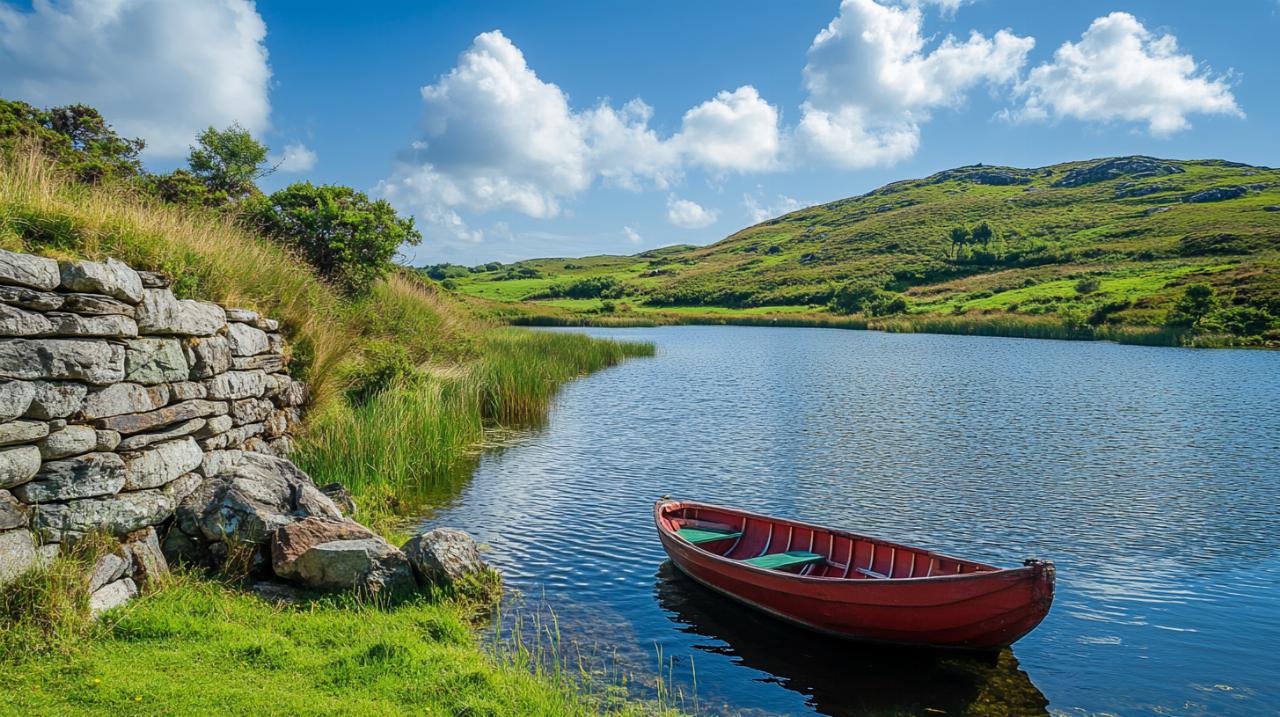
Free-cancellation accommodation and guide services near ireland's best pike waters
Planning a fishing trip to Ireland is made easier by the wide range of accommodation options available near prime fishing locations. Many hotels and lodges offer free cancellation policies, providing flexibility for travellers whose plans may change due to weather or other factors. These establishments understand the needs of anglers and often provide secure storage for tackle, drying facilities for wet clothing, and early breakfast services for those eager to be on the water at first light. Booking through reputable travel services ensures that your stay is both comfortable and convenient, with easy access to the best fishing spots.
In addition to quality accommodation, the availability of experienced fishing guides is a major advantage for visitors to Ireland. Guides offer invaluable local knowledge, helping anglers to understand the habits of the fish, select the right equipment, and navigate the often-complex regulations that govern Irish fisheries. Whether you are exploring the pike-rich waters of Lough Gowna in Cavan or casting for trout in the lakes around Roscommon, a good guide can transform a good day into an exceptional one. Many guide services cater to all levels of experience, from complete beginners to seasoned anglers seeking to refine their techniques. This personalised approach ensures that every visitor can enjoy a rewarding and memorable fishing experience.
Planning your irish fishing travel: regulations, hotels, and local insights
Successful fishing travel in Ireland requires careful planning and an understanding of the regulations that govern the country's fisheries. Ireland's waters are managed to ensure sustainable fish populations and to protect the environment, and anglers are expected to comply with local rules regarding seasons, catch limits, and permitted methods. Familiarising yourself with these regulations before you travel will help to ensure a smooth and enjoyable trip, and local fisheries officers are usually happy to answer questions and provide guidance.
Understanding Fisheries Regulations and Staying at Quality Hotels with Bar Facilities
Each river, lough, and coastal area in Ireland may have its own specific regulations, which can vary depending on the species being targeted and the time of year. For example, the salmon fishing season on the River Boyne runs from the first of March to the thirtieth of September, while pike can be fished year-round in most inland waters. Some locations require a permit or licence, and these can usually be obtained locally or in advance through official channels. It is also important to be aware of catch-and-release policies, which are increasingly common for salmon and sea trout to help maintain healthy fish stocks.
Accommodation plays a key role in the overall fishing experience, and Ireland offers a wealth of options to suit all budgets and preferences. Many hotels in fishing areas are designed with anglers in mind, offering amenities such as tackle shops, boat hire, and local information about the best spots to fish. A well-appointed hotel with a welcoming bar provides the perfect place to relax after a long day on the water, and the opportunity to meet fellow anglers and share stories is an integral part of the Irish fishing tradition. Whether you are staying in a charming village inn in Kerry or a modern hotel in the center of a bustling town, the hospitality you encounter will enhance your trip and leave you eager to return.
Selecting the Right Line and Tackle for Ireland's Diverse Fish Species and Water Conditions
Choosing the correct fishing line and tackle is essential for success in Ireland's varied waters. For salmon fishing, many anglers prefer a nine-foot fly rod paired with a four or five weight floating line, which allows for delicate presentation in clear streams and loughs. In the spring, when salmon are fresh from the sea and particularly aggressive, artificial flies in yellow, black, or red can be highly effective. As the season progresses and the fish become more cautious, a more subtle approach is often required, with smaller flies and lighter tippets.
Pike fishing demands a different setup, with many anglers opting for a medium to heavy spinning rod around 2.7 metres in length, matched with a robust reel loaded with thirty to forty pound test line. Lures such as spoons, spinners, and soft plastics in bright colours are popular choices, and live bait can also be deadly when fished near weed beds and submerged structure. For trout fishing, a lighter touch is often best, with ultralight rods and lines in the sixteen to twenty pound range allowing for a more sporting contest. Understanding the water conditions and the behaviour of the fish is key to selecting the right approach, and local guides can provide valuable advice tailored to the specific location and time of year.
The diversity of Ireland's fishing opportunities, from the wild Atlantic salmon rivers of the west to the tranquil pike lakes of the inland regions, ensures that every angler can find their perfect spot. With careful planning, an understanding of local regulations, and the right equipment, a fishing trip to Ireland promises not only the chance to catch some truly remarkable fish but also the opportunity to immerse yourself in the natural beauty and rich angling heritage of this remarkable island. Whether you are casting a fly on the River Moy, trolling for pike on Lough Conn, or exploring the hidden loughs and rivers of the north, the experiences you gather will remain with you long after you have returned home.
 Traveling during the pandemic
 Best cities to visit
 Tips to save money when traveling
 Taking a vacation after a long work year.
 Discover the Var region
 Costa Rica rental car with Jumbocar; Way to enhance your travel experience?
 Why Choose Fuerteventura as Your Next Holiday Destination?
 Why Choose Tulum for Your Bachelorette Party?
 Yacht: Play the Originality Card on Vacation
 Professions That Accompany People During Their Holidays
 Preventing and Resolving Travel Disputes: Tips for a Worry-Free Adventure Organization
 10 Sustainable Travel Destinations for Eco-Conscious Explorers
 Discover Vibrant LGBTQ+ Culture in Buenos Aires
 Discover the Charm of Vacation Rentals in Sicily for an Unforgettable Holiday
 Discover top tropical destinations for your next travel adventure
 Discover Eco-Friendly Lodging Options in Guadeloupe for Your Next Vacation
 Discover the Ultimate Adventure Travel Guide for Family Adventures Across Europe
 Essential tips for starting your own travel blog
 Discovering the Latest Tech Gadgets for Enhancing Travel Accessories
 Azureva vs. The Competition: Finding Your Perfect All-Inclusive French Holiday Village in 2026
 Explore the Thrill of a Motorcycle Road Trip Across Continents
 A Traveller’s Guide to San Francisco: The Best and Worst Neighbourhoods for Art & Travel Around Golden Gate Park’s Cultural Scene
 Mappy Itinerary: Calculate Your Travel Route in Paris and Its Districts and Navigate Between Family Activities with Ease
 Camping in Tangier, Morocco: Everything you need to know for a successful camping trip – The ultimate guide to camping kit for Morocco’s coastal paradise
 7 Visits to Unusual Places to Do in Rome (+1 Bonus): Uncovering Secret Spots Away from Tourist Museums
 Travel-Inspired Interior Design Ideas for Creating a Relaxing Home Environment
 Discover Brilliant Activities and Great Deals for Your Holidays in Andorra This Winter Season
 Surfing in Indonesia: Discover Watu Karung Beach – What Makes This Hidden Gem Perfect for Wave Riders