Stopover in Palermo: The Top 5 Must-Sees for Street Food Enthusiasts
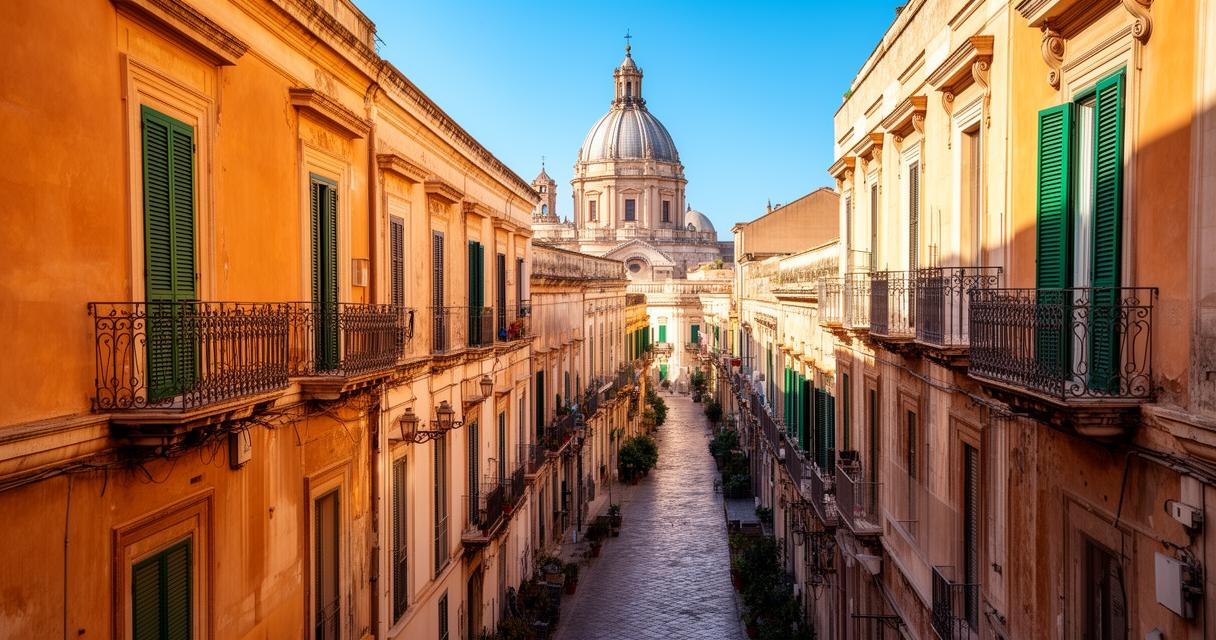
Sicily's capital is not a city you visit quietly. Palermo greets you with noise, colour and the irresistible smell of frying dough drifting through narrow alleyways, and it is precisely this chaotic energy that makes it such a magnetic stopover for anyone who travels with their stomach leading the way. Beneath the tangled washing lines and crumbling baroque façades lies a food culture shaped by Arab traders, Norman kings and generations of market vendors, all of whom left their mark on what Palermitans eat today. This guide takes you through the markets, dishes and practicalities that make Palermo an essential destination for street food enthusiasts.
The essentials
- Palermo's culinary identity is a rich blend of cultural influences from Arab, Norman, and local traditions, making it a premier destination for food lovers.
- The city's historic markets, such as Ballarò, Vucciria, and Il Capo, serve as the chaotic and authentic heart of local street food culture.
- Iconic street food staples include arancine (fried rice balls), panelle (chickpea fritters), sfincione (Sicilian pizza), and the traditional but polarizing pani ca' meusa.
- Food tours provide deeper insights into the city's social history, including its complex past and the emergence of modern counter-cultural movements.
- Mornings are recommended for visiting markets to enjoy the freshest produce, while evenings are ideal for experiencing the vibrant atmosphere of food stalls and nightlife.
- Visitors are advised to stay in central hotels to maximize accessibility to culinary hotspots and to remain vigilant regarding personal safety in crowded, bustling areas.
Discovering palermo's historic markets and their culinary treasures
No exploration of Palermo's food scene can begin anywhere other than its historic markets, which have functioned as the beating heart of the city for centuries. These aren't tidy, curated food halls designed for tourists; they are genuinely chaotic, working marketplaces where locals do their daily shopping alongside curious visitors. The atmosphere is loud, the stalls are packed tightly together, and the sense of history is palpable, given that Palermo carries roughly ten thousand years of layered civilisation within its streets.
Ballarò market: a sensory journey through sicilian flavours
Ballarò is arguably the most authentic of Palermo's markets, and it rewards visitors willing to embrace a bit of disorder. Stalls overflow with sun-ripened tomatoes, fragrant citrus and gleaming fish, while vendors shout out prices in thick Sicilian dialect. It's here that you'll find some of the best panelle in the city, fried until golden and often stuffed into fresh bread rolls. Wandering through Ballarò feels less like sightseeing and more like stepping into the daily rhythm of Palermitan life, making it a brilliant starting point for anyone keen to understand the culinary soul of Sicily.
Vucciria market: where traditional street food meets local culture
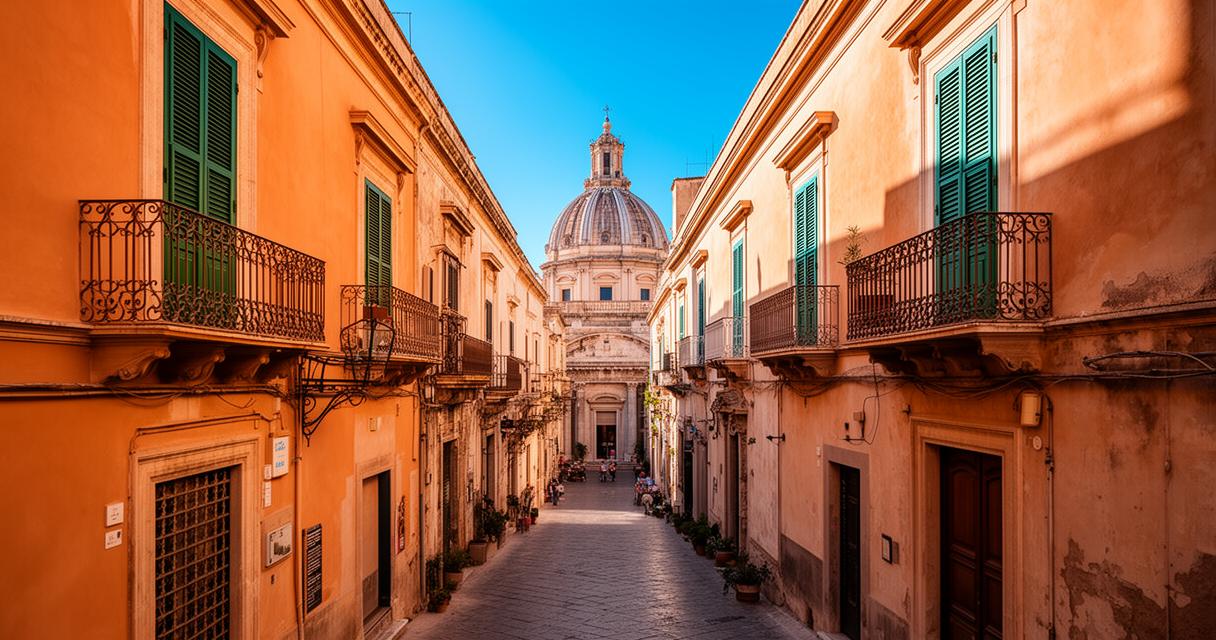
La Vucciria has a slightly different character. Once the city's most important marketplace, it has evolved into a spot loved as much for its nightlife as for its food stalls. During the day, you'll still find vendors selling fresh produce and seafood, but as evening falls, the square transforms into a buzzing hub where locals gather over plates of grilled octopus and glasses of local wine. It's a fascinating contrast to the more traditional Il Capo market nearby, and together these three markets, Il Capo, Ballarò and Vucciria, offer a rounded picture of how deeply food is woven into the identity of this vibrant city.
The five essential street food delicacies you cannot miss
Palermo's street food scene isn't simply a matter of convenience; it's a form of cultural expression passed down through generations. Each dish tells a story about the island's history, from Arab-influenced rice preparations to fried snacks born out of working-class ingenuity. For any self-respecting foodie, sampling these specialities is non-negotiable.
Arancini and Panelle: The Golden Icons of Palermitan Cuisine
The arancine, often simply called arancini elsewhere in Italy, are golden, fist-sized rice balls stuffed with ragù, cheese or peas, then fried to a satisfying crunch. They're sold on nearly every corner and eaten on the go, making them the perfect introduction to Sicilian street food. Alongside them, panelle, thin chickpea fritters, offer a simpler but equally addictive experience, often served in a soft bread roll for a proper working-class sandwich. Together, these two dishes form the backbone of any street food tour through the city.
Sfincione and Pani ca' Meusa: Authentic Flavours from the Streets
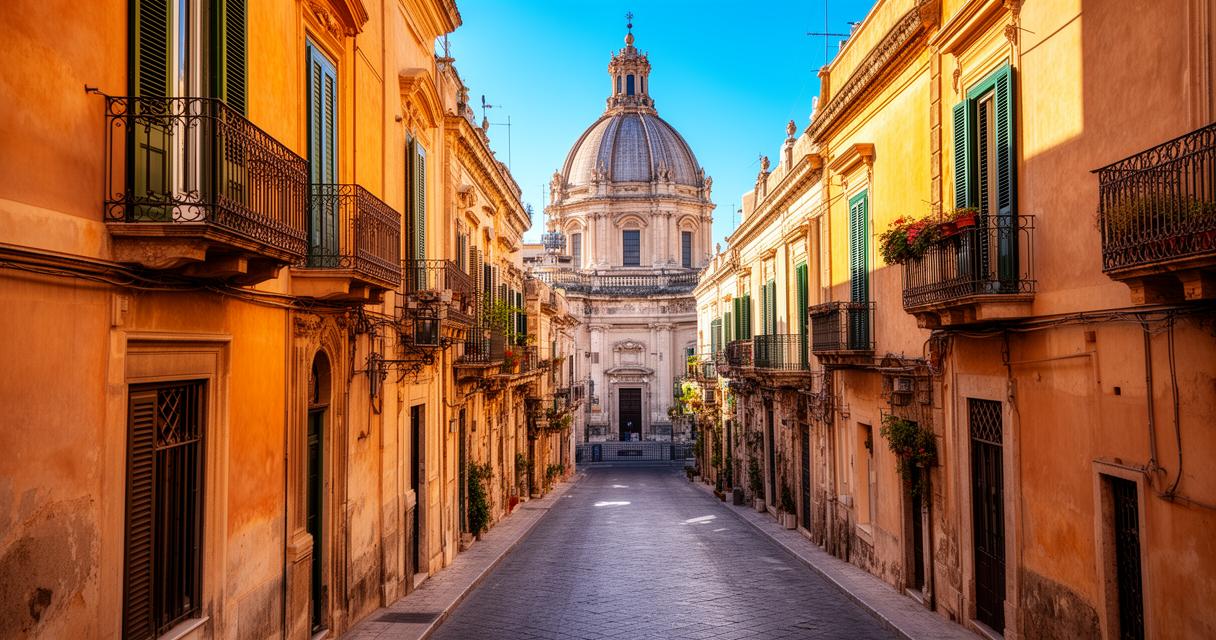
For something heartier, sfincione is a thick, spongy Sicilian-style pizza topped generously with tomatoes, onions, anchovies and breadcrumbs, and it is a favourite among locals seeking a filling snack. Braver eaters might try pani ca' meusa, a sandwich filled with sautéed veal spleen, which remains one of the city's most iconic, if polarising, street food traditions. And no visit would be complete without pausing for a proper Sicilian cannoli, its crisp shell and creamy ricotta filling offering a sweet contrast to the savoury dishes that dominate the streets. These specialities are best explored through organised food tours, which often combine tastings with insights into the social history behind each dish, including the city's complicated relationship with the Mafia and the emergence of the counter-cultural 'No Mafia' walking tours that now educate visitors on Palermo's past.
Practical travel tips for your palermo street food adventure
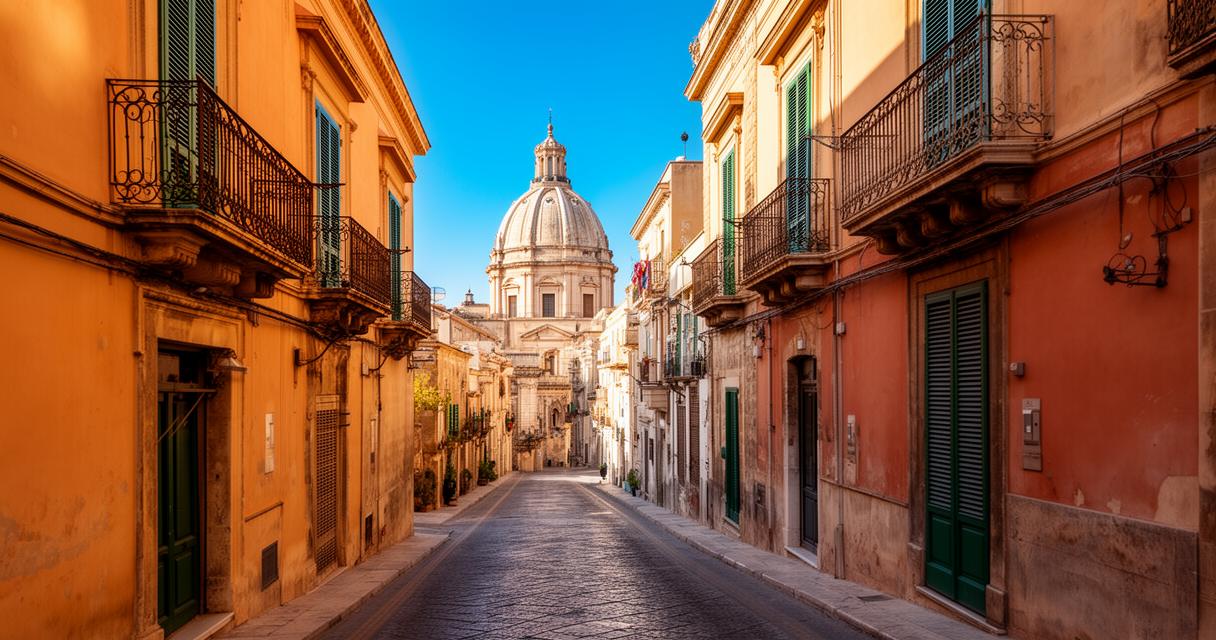
While the food is the main draw, Palermo rewards visitors who plan sensibly around the city's rhythms. Most travellers find that two to three days are enough to explore the main attractions, including the Palermo Cathedral, the elegant Fontana Pretoria and the historic Palazzo dei Normanni, before venturing further afield.
Best Times to Visit and Navigate the Bustling Food Stalls
Mornings are ideal for exploring the markets, as this is when produce is freshest and the crowds, while still lively, are more manageable. By late afternoon, stalls selling ready-to-eat snacks become busier, and by evening, particularly around Vucciria, the atmosphere shifts into something closer to a street party. If you're staying at central options such as Hotel Politeama, Palazzo Liberty or the historic Grand Hotel et Des Palmes, you'll be within easy walking distance of most food hotspots, which makes early starts far more appealing.
Essential Etiquette and Safety Considerations for Food Explorers
Palermo is generally a safe city for travellers, though as with any bustling urban centre, it's wise to stay alert in less developed or poorly lit areas, particularly at night. Keep valuables secure in crowded markets, be polite but firm when haggling, and don't be afraid to ask vendors questions about their dishes, as most are proud to explain their family recipes. Beyond the city itself, day trips to Cefalù for its beaches or the Valley of the Temples for a dose of ancient history make excellent additions to your itinerary, rounding out a trip that blends culture, monuments and unforgettable street food into one thoroughly memorable Sicilian stopover.
 Traveling during the pandemic
 The top tropical vacation destination
 Costa Rica rental car with Jumbocar; Way to enhance your travel experience?
 Why Choose Fuerteventura as Your Next Holiday Destination?
 Mountain Vacations: What Can You Expect From Your Rental in the French Alps?
 Discover Europe on a Motorcycle: A Royal Enfield Adventure
 10 Sustainable Travel Destinations for Eco-Conscious Explorers
 Discover the Best Beach Hotels in Spain for Your Next Relaxing Getaway
 Discover charming boutique hotels in seville province
 Discover Eco-Friendly Lodging Options in Guadeloupe for Your Next Vacation
 Discover the Ultimate Adventure Travel Guide for Family Adventures Across Europe
 Essential tips for starting your own travel blog
 Azureva vs. The Competition: Finding Your Perfect All-Inclusive French Holiday Village in 2026
 Explore the Thrill of a Motorcycle Road Trip Across Continents
 Best Self-Inflating Camping Mattresses 2023: Sleep Like You’re on a Cloud in the Wild – Choosing the Right Size for Maximum Comfort
 Camping in Tangier, Morocco: Everything you need to know for a successful camping trip – The ultimate guide to camping kit for Morocco’s coastal paradise
 Travel in March to Italy: The Weather and Must-Visit Destinations in Spring – Combining Culture with Wellness in Florence and Beyond
 Travel-Inspired Interior Design Ideas for Creating a Relaxing Home Environment
 Discover Brilliant Activities and Great Deals for Your Holidays in Andorra This Winter Season
 Surfing in Indonesia: Discover Watu Karung Beach – What Makes This Hidden Gem Perfect for Wave Riders
 Redefining Connection: Meal with Locals – Review the Definition of Authentic Culinary Storytelling
 How to Get to Antarctica by Cruise: Packing Essentials for Wildlife Watching and Research Trips
 Exploring Greece on a Budget: 10 Destinations to Visit in Greece with Hostels and Camping Options
 The Complete Guide on How to Organise a Trip to the Beach with Reliable Transportation Solutions
 Château de la Barben: A Visit Rich in History and Nature During Provence’s Cultural Festivals
 The Best Vacation Rentals in Paris: A Comparison of Merveil Paris, Paris Vacation Apartments, and Yelp
 Your Essential Guide to Living in a Motorhome: What Budget Should You Plan For Long-Term Travel Experiences?
 Weather in catania explained: why humidity levels make evenings feel muggy