Your Essential Guide to Living in a Motorhome: What Budget Should You Plan For Long-Term Travel Experiences?
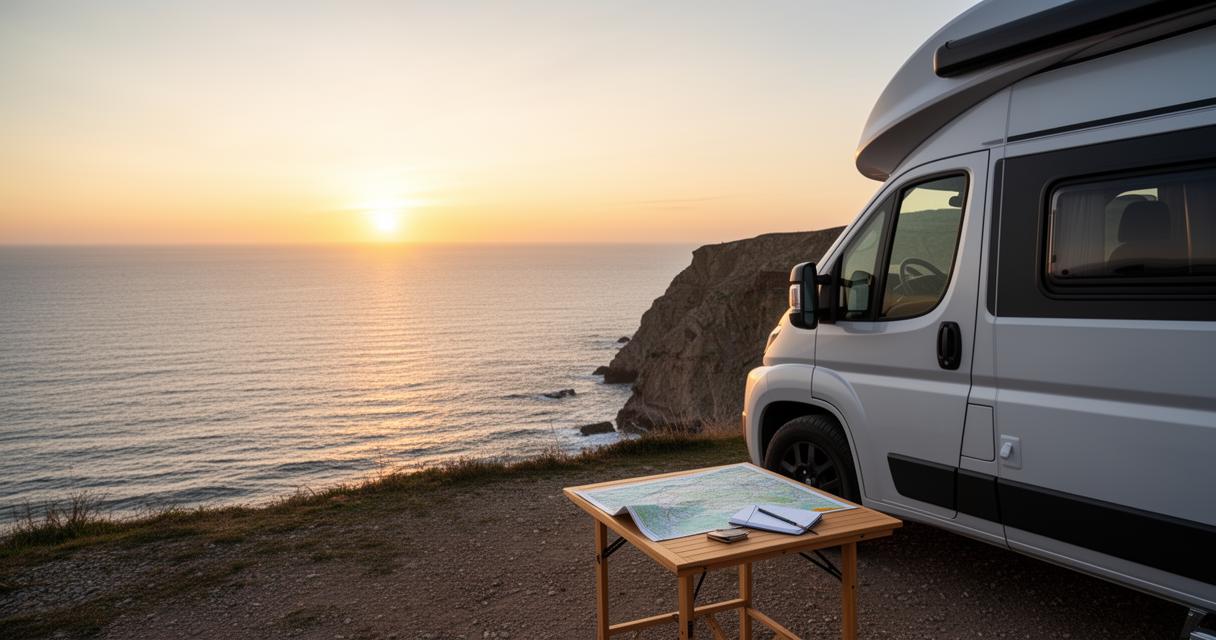
Embracing life in a motorhome opens the door to freedom, adventure, and the thrill of exploring new horizons at your own pace. Whether you dream of waking up to mountain vistas, coastal sunrises, or hidden woodland retreats, understanding the financial landscape is vital to turning this lifestyle into a sustainable reality. From the initial outlay to the everyday expenses that accumulate on the road, having a clear picture of your budget ensures you can focus on the journey rather than worrying about your wallet. This guide walks you through the essential costs and practical strategies that will help you plan confidently for long-term travel experiences.
- Purchasing a motorhome requires balancing the high reliability and warranty of new vehicles against the cost-effectiveness of pre-owned models.
- Equipping a vehicle for long-term living, including solar panels, insulation, and storage solutions, is a crucial one-time investment for comfort.
- Ongoing expenses such as fuel, insurance, and routine maintenance must be factored into your budget to ensure the vehicle remains roadworthy and reliable.
- Pitch fees vary significantly based on amenities and location, making it important to weigh the convenience of campsites against the savings of self-sufficient boondocking.
- Investing in reliable connectivity solutions is essential for those who need to manage remote work or stay in contact while traveling.
- Strategic meal planning and local shopping are effective, manageable ways to control food costs and reduce waste while on the road.
Initial Investment and Setup Costs for Motorhome Living
Purchasing your motorhome: new versus pre-owned options
The most significant financial commitment when transitioning to mobile living is acquiring the vehicle itself. Deciding between a brand-new motorhome and a pre-owned model involves weighing up factors such as budget, reliability, and personal preferences. New motorhomes offer the latest features, full manufacturer warranties, and the peace of mind that comes with knowing the vehicle's complete history. However, they also command a premium price that may stretch your finances considerably. On the other hand, purchasing a pre-owned motorhome can be a more economical route, allowing you to access a larger or better-equipped vehicle for the same outlay. The trade-off is that you may inherit wear and tear or face unexpected repair costs down the line. Auto-Trail, for instance, provides a diverse range of models to suit various budgets, including the Expedition range, which is compact and offers great value, and the F-Line models, known for blending affordability with premium features. Evaluating your long-term travel goals and financial capacity will guide you toward the right choice.
Essential Equipment and Conversion Expenses for Comfortable Living
Once you have secured your motorhome, the next step involves equipping it to meet your daily needs and personal comfort standards. Many pre-owned vehicles require upgrades or modifications to bring them in line with modern expectations for off-grid camping and extended travel. This might include installing solar panels to harness renewable energy, upgrading the water filtration system, or adding insulation to enhance climate control. Storage solutions are another critical consideration, as maximising space in a confined environment can make the difference between a cluttered, stressful home and a well-organised sanctuary. Investing in quality bedding, kitchenware, and outdoor furniture also contributes to a more enjoyable living experience. While these conversion expenses can add up quickly, they are often one-time costs that significantly improve your quality of life on the road. Planning these expenditures carefully and prioritising the essentials will help you avoid overspending while still creating a comfortable and functional living space.
Daily Running Costs and Ongoing Expenses on the Road
Fuel, insurance, and maintenance: understanding your regular outgoings
Living in a motorhome means accepting a range of recurring costs that differ markedly from traditional housing. Fuel expenses are perhaps the most variable, influenced by factors such as the weight of your vehicle, engine size, and your driving style. Adopting a more measured pace and planning routes to minimise unnecessary mileage can help keep these costs under control. Insurance is another essential outgoing, with premiums varying based on the model you choose, where you store the vehicle when not in use, and your driving history. It is wise to shop around and compare policies to secure the best coverage at a competitive rate. Regular motorhome maintenance is non-negotiable if you want to avoid costly breakdowns and ensure your vehicle remains roadworthy. This includes habitation checks, engine servicing, and timely replacement of worn parts. Setting aside a dedicated fund for repairs and unexpected maintenance is a prudent strategy, as even well-maintained motorhomes can encounter issues that require immediate attention. By anticipating these ongoing expenses and budgeting for them in advance, you can enjoy the road trip bliss without financial anxiety.
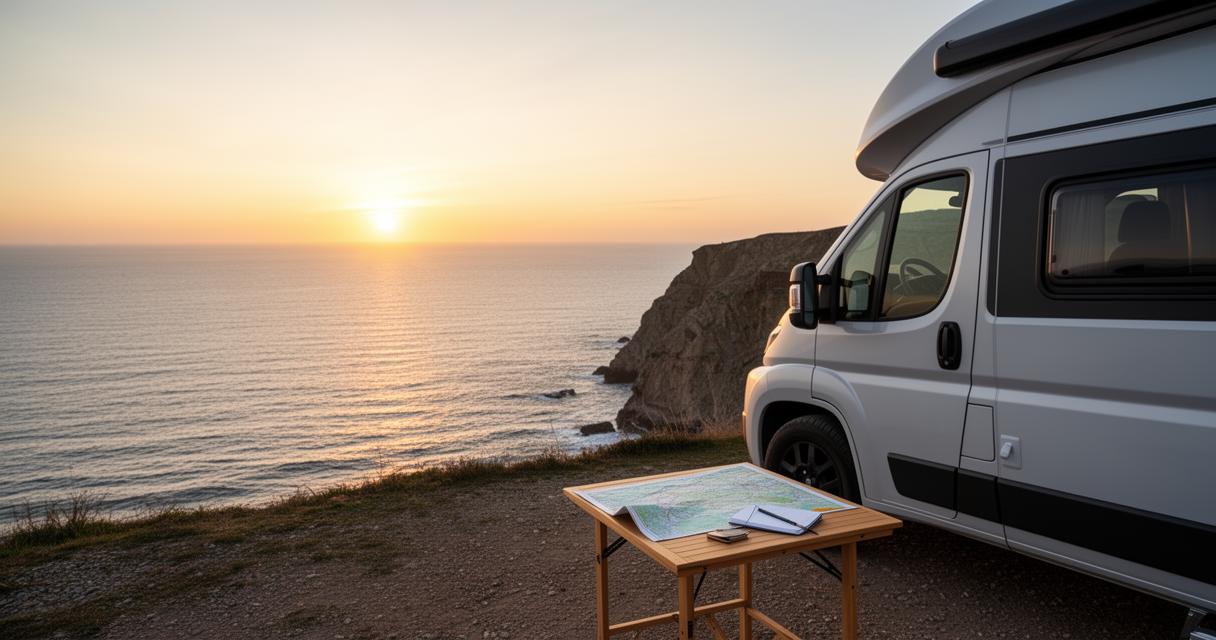
Pitch Fees, Utilities, and Connectivity: Budgeting for Your Stopovers
Where you choose to park overnight has a significant impact on your overall budget. Campsites with full hookups for water, electricity, and waste disposal offer convenience and comfort, but they come with pitch fees that vary widely depending on location, season, and the level of amenities provided. In contrast, boondocking, which involves camping without hookups in secluded spots, allows you to conserve resources and save money, though it requires careful planning and self-sufficiency. Toll charges on certain routes and optional extras such as Wi-Fi access or laundry facilities can also add to your expenses, so it is worth researching sites in advance and factoring these costs into your travel planning. Connectivity solutions are particularly important if you are engaging in remote work travel or simply wish to stay in touch with family and friends. Investing in a reliable mobile internet setup may involve upfront costs and monthly subscriptions, but it can be a worthwhile expense for those who need consistent online access. Balancing the desire for comfort with the need to manage your budget is key to sustaining long-term travel experiences.
Lifestyle Management and Money-Saving Strategies for Extended Travel
Food shopping, meal planning, and reducing waste whilst travelling
One of the most controllable aspects of your motorhome budget is food. Shopping locally at markets and independent grocers often yields fresher produce at lower prices compared to large supermarkets, and it supports the communities you visit. Meal planning is an effective way to reduce waste and avoid impulse purchases, as it allows you to buy only what you need and make the most of ingredients before they spoil. Cooking in your motorhome not only saves money compared to dining out but also gives you the flexibility to accommodate dietary preferences and experiment with regional specialities. Reducing waste is not only environmentally responsible but also economical, as it means you are maximising the value of every item you purchase. Simple habits such as repurposing leftovers, composting organic scraps, and using reusable containers can make a significant difference over time. By adopting a mindful approach to food shopping and meal preparation, you can enjoy nutritious, satisfying meals without overspending.
Free Camping Opportunities and Community Resources for Budget-Conscious Travellers
For those committed to minimising expenses, seeking out free camping opportunities is a game-changer. Many national parks and scenic routes offer designated areas where you can park overnight at no cost, allowing you to immerse yourself in stunning natural surroundings without the burden of pitch fees. Research and local knowledge are essential to finding these spots, as they are often less publicised than commercial campsites. Joining the caravan community and connecting with fellow RV enthusiasts can provide valuable insights into hidden gems and budget-friendly stopovers. Online forums, social media groups, and dedicated apps are excellent resources for sharing tips, recommendations, and support. The RV community is known for its generosity and camaraderie, with experienced travellers often willing to offer advice on everything from best practices for off-grid camping to where to find affordable servicing. Embracing this sense of community not only enriches your travel experience but also helps you navigate the financial and practical challenges of long-term motorhome living. By combining resourcefulness with the support of like-minded adventurers, you can achieve a fulfilling and financially sustainable lifestyle on the road.
 Taking a vacation after a long work year.
 Discover the Var region
 USA: THE NEW APPLICATION TO MEET YOUR TRANSGENDER CRUSH
 The top tropical vacation destination
 Why Choose Tulum for Your Bachelorette Party?
 Yacht: Play the Originality Card on Vacation
 Professions That Accompany People During Their Holidays
 Mountain Vacations: What Can You Expect From Your Rental in the French Alps?
 Discover Europe on a Motorcycle: A Royal Enfield Adventure
 Discover the Charm of Vacation Rentals in Sicily for an Unforgettable Holiday
 Essential Hotel Hygiene Tips for a Safe Stay in Hammamet
 Exploring Torremolinos: Top Activities for a Memorable Spain Holiday
 Discover the Best Beach Hotels in Spain for Your Next Relaxing Getaway
 Discover charming boutique hotels in seville province
 Discovering the Latest Tech Gadgets for Enhancing Travel Accessories
 Mappy Itinerary: Calculate Your Travel Route in Paris and Its Districts and Navigate Between Family Activities with Ease
 Best Self-Inflating Camping Mattresses 2023: Sleep Like You’re on a Cloud in the Wild – Choosing the Right Size for Maximum Comfort
 Travel in March to Italy: The Weather and Must-Visit Destinations in Spring – Combining Culture with Wellness in Florence and Beyond
 Beyond the Beaches: Discovering Phuket’s Rooftop Bars and Nightlife Scene on Bangla Road
 The Fruits of Martinique: A Tropical Treasure to Discover in Vitamin-Rich Traditional Drinks
 Camping holidays archives – travel escape: what pet owners must know before booking their next adventure
 Essential Accessories for a Trip to Thailand: Must-Have Items According to Expert Travel Guides
 Beyond the Freedom: Living in a Motorhome and the Drawbacks to Expect from Moisture and Mould in Confined Spaces
 Exploring Greece on a Budget: 10 Destinations to Visit in Greece with Hostels and Camping Options
 The Complete Guide on How to Organise a Trip to the Beach with Reliable Transportation Solutions
 Bus Travel in England from France Practical Guide to Exploring British Treasures: Navigate History, Culture and Countryside with Expert Advice
 Villa Accommodation Comparison Sites: A Detailed Look at 2026’s Villapicker, Cozycozy, and Holidu
 Paris, the City of Lovers, Yes But Why? How the Eiffel Tower Became the Ultimate Symbol of Love