Paris, the City of Lovers, Yes But Why? How the Eiffel Tower Became the Ultimate Symbol of Love
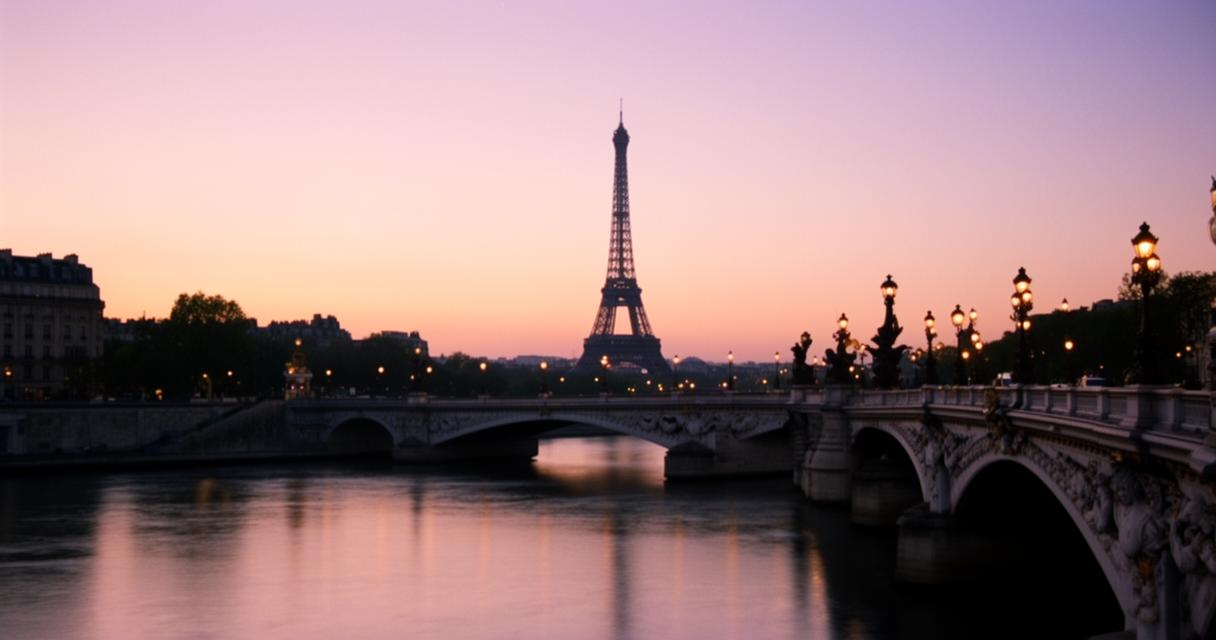
Paris has long held a reputation as the ultimate destination for lovers from around the globe. Its cobbled streets, intimate cafés, and shimmering lights along the Seine create an atmosphere where romance seems to float in the very air. Yet the question remains: why has this French capital become synonymous with love itself? And how did the Eiffel Tower, once a subject of heated debate, transform into the world's most iconic symbol of eternal devotion? Understanding the journey of Paris from a bustling metropolis to the very embodiment of romance requires delving into its history, culture, and the enduring allure of its most celebrated monument.
- Paris earned its reputation as the city of love through centuries of architectural elegance, including its grand boulevards and the scenic banks of the Seine.
- French literature, cinema, and art have deeply embedded themes of passion into the city's identity, making Paris a character that nurtures romance.
- Initially criticized as an eyesore, the Eiffel Tower transformed over time from an industrial structure into a globally recognized symbol of devotion.
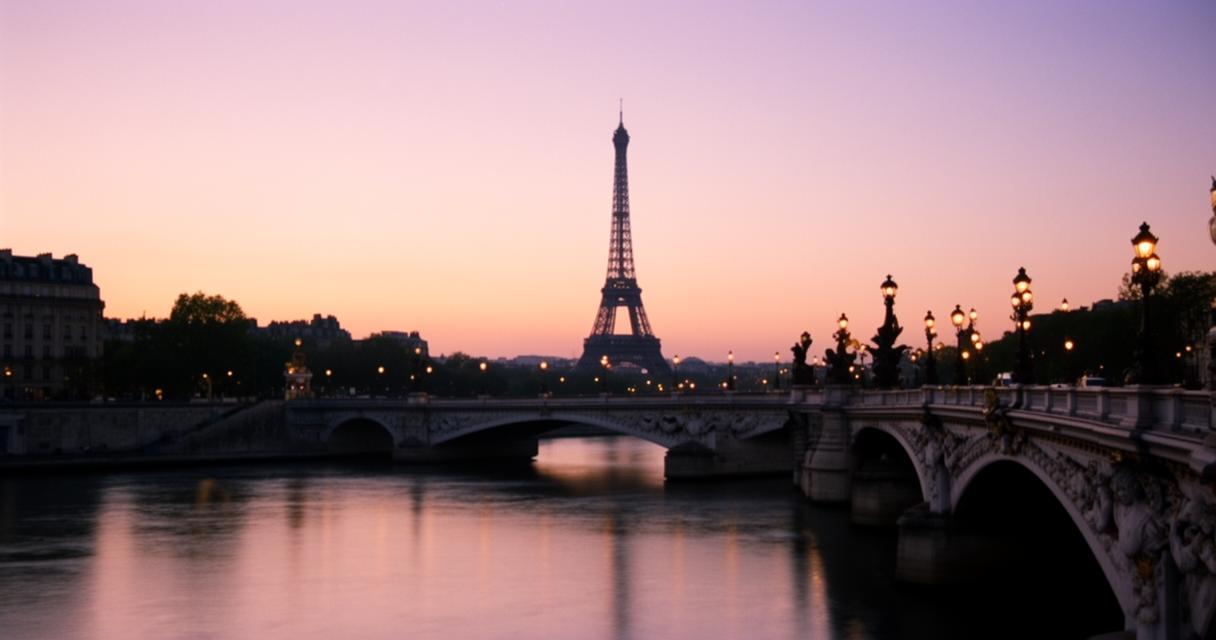
- The tower's nightly illumination and elegant design have made it a preferred backdrop for proposals, weddings, and milestone relationship moments.
- Cultural traditions, such as the famous love locks on city bridges, have historically served as physical manifestations of couples' desire for permanent commitment.
- Paris offers a unique lifestyle that emphasizes intimacy and the appreciation of life's pleasures, encouraging couples to explore its streets and hidden corners.
The Romantic Origins: Why Paris Earned Its Title as the City of Love
The Historical Romance Embedded in Parisian Culture and Architecture
Paris did not become the city of love overnight. Its romantic identity is deeply rooted in centuries of cultural evolution and architectural splendour. The capital of France has always been a place where beauty and elegance intertwine, from the grand boulevards designed by Baron Haussmann to the intimate courtyards hidden behind iron gates. The very layout of the city invites leisurely strolls, encouraging couples to lose themselves in the charm of narrow alleyways and the sweeping views from Montmartre. The Seine, winding gracefully through the heart of the city, has witnessed countless declarations of love, its bridges adorned with padlocks symbolising unbreakable bonds. This river, along with the enchanting gardens and historic squares, forms the backdrop for a lifestyle that celebrates connection and intimacy. The dolce vita experience that Paris offers is not merely about luxury but about savouring life's pleasures, especially when shared with someone special. The city's architecture itself seems designed to inspire affection, with its wrought-iron balconies, art nouveau façades, and the soft glow of street lamps that cast a golden hue over evening promenades.
How French Literature and Art Immortalised Love Throughout the Centuries
The romantic reputation of Paris is further cemented by its rich literary and artistic heritage. French writers and poets have long celebrated love in their works, weaving tales of passion and longing that resonate across generations. The likes of Victor Hugo, Marcel Proust, and Anaïs Nin penned stories where Paris itself became a character, a living entity that nurtured and challenged the hearts of its inhabitants. The city's museums, particularly the Musée Rodin, showcase sculptures that capture the intensity of human emotion, with works like 'The Kiss' embodying the tender yet powerful nature of love. Meanwhile, the influence of figures such as Jean Cocteau, whose artistic vision blended poetry, cinema, and visual art, added layers of romanticism to the cultural fabric of Paris. The cinematic portrayal of the city, notably in the film Amélie Poulain, continues to enchant audiences by presenting Paris as a place where magic and serendipity guide the course of love. Through literature, sculpture, and film, Paris has been immortalised as a place where the heart can truly flourish.
The Eiffel Tower: From Controversial Structure to the World's Most Romantic Landmark
The Iron Lady's Journey from Industrial Marvel to Symbol of Eternal Devotion
When Gustave Eiffel's iron structure was unveiled in 1889 as the centrepiece of the Exposition Universelle, it was met with fierce criticism. Many Parisians deemed it an eyesore, an industrial intrusion upon the classical beauty of their beloved city. Prominent artists and intellectuals signed petitions decrying the tower as a blight on the skyline. Yet, as the years passed, perceptions shifted dramatically. The Eiffel Tower's elegant latticework, which had once seemed too modern and austere, began to be appreciated for its graceful lines and engineering brilliance. It became a symbol not just of French innovation but of the city's ability to embrace change while retaining its romantic soul. The tower's nightly illumination, with thousands of lights twinkling against the dark sky, transformed it into a beacon of hope and beauty. Couples from every corner of the world began to associate the structure with their own stories of love, finding in its towering presence a metaphor for the heights of human emotion. The Eiffel Tower's transformation from controversial monument to beloved icon mirrors the journey of love itself, which often begins with uncertainty but blossoms into something enduring and beautiful.
Proposals, Weddings, and Love Locks: Modern Romantic Traditions at the Eiffel Tower
Today, the Eiffel Tower is a pilgrimage site for couples seeking to mark significant moments in their relationships. Proposals beneath the iron lattice have become almost ritualistic, with many choosing the observation decks or the grassy expanse of the Champ de Mars to declare their intentions. The tower's surrounding bridges, particularly the Pont des Arts, became famous for the tradition of love locks, where couples would fasten padlocks inscribed with their names before tossing the keys into the Seine. Although the weight of countless locks eventually led authorities to remove them, the tradition itself speaks volumes about the desire to leave a permanent mark of affection in this romantic city. Weddings in Paris, whether intimate ceremonies or grand celebrations, often feature the Eiffel Tower as a backdrop, its silhouette providing an unmistakable symbol of the couple's commitment. The tower's presence in countless photographs, from engagement announcements to anniversary celebrations, ensures that it remains forever linked to the idea of everlasting love. It is not merely a tourist attraction but a monument where personal histories are written, one declaration of love at a time.
Experiencing Paris as Lovers Do: Romantic Activities and Hidden Gems
Enchanting Strolls, Charming Cafés, and the Parisian Art of Romance
To truly understand why Paris is the city of love, one must experience it as lovers do. This means wandering hand in hand along the Seine at sunset, pausing to admire the bouquinistes with their stalls of vintage books and prints. It involves lingering over coffee at a charming café in Saint-Germain-des-Prés, watching the world go by while sharing whispered conversations and stolen glances. The Parisian art of romance is about savouring moments rather than rushing through them, about finding beauty in simplicity and joy in companionship. The city's many gardens, from the Luxembourg to the Tuileries, offer tranquil spaces for reflection and connection, where couples can sit beneath the shade of ancient trees and lose themselves in each other's company. Even a simple walk through the Marais, with its boutique shops and historic architecture, becomes an adventure when shared with someone special. The city encourages a slower pace, one that allows relationships to deepen and flourish amidst its timeless elegance.
From Amélie to Real Life: Capturing the Magical Essence of Love in Paris
The film Amélie Poulain captured the whimsical, almost dreamlike quality of love in Paris, presenting the city as a place where fate and chance conspire to bring hearts together. While the story is fiction, it resonates because it reflects a truth about Paris: the city has a way of making the everyday feel extraordinary. The cobblestone streets, the quirky shops, the unexpected encounters at a metro station all contribute to a sense that anything is possible. Couples visiting Paris often find themselves living out their own romantic narratives, whether it is sharing a crêpe at a street corner, dancing under the stars at an open-air concert, or simply getting lost in the labyrinth of Montmartre. The magic of Paris lies not just in its famous landmarks but in the countless small moments that weave together to create a tapestry of love. While Venice may have its gondolas and other cities their own charms, many believe that Paris truly holds the title of the most romantic city in the world. Its unique blend of history, culture, and beauty continues to inspire lovers, ensuring that the city's reputation as the ultimate destination for romance will endure for generations to come.
 Taking a vacation after a long work year.
 Discover the Var region
 USA: THE NEW APPLICATION TO MEET YOUR TRANSGENDER CRUSH
 The top tropical vacation destination
 Costa Rica rental car with Jumbocar; Way to enhance your travel experience?
 Yacht: Play the Originality Card on Vacation
 Professions That Accompany People During Their Holidays
 Mountain Vacations: What Can You Expect From Your Rental in the French Alps?
 Discover Europe on a Motorcycle: A Royal Enfield Adventure
 Essential Hotel Hygiene Tips for a Safe Stay in Hammamet
 Exploring Torremolinos: Top Activities for a Memorable Spain Holiday
 Discover the Best Beach Hotels in Spain for Your Next Relaxing Getaway
 Discover charming boutique hotels in seville province
 Discover Eco-Friendly Lodging Options in Guadeloupe for Your Next Vacation
 Discover the Ultimate Adventure Travel Guide for Family Adventures Across Europe
 Best Self-Inflating Camping Mattresses 2023: Sleep Like You’re on a Cloud in the Wild – Choosing the Right Size for Maximum Comfort
 Travel in March to Italy: The Weather and Must-Visit Destinations in Spring – Combining Culture with Wellness in Florence and Beyond
 Travel-Inspired Interior Design Ideas for Creating a Relaxing Home Environment
 Discover Brilliant Activities and Great Deals for Your Holidays in Andorra This Winter Season
 The Fruits of Martinique: A Tropical Treasure to Discover in Vitamin-Rich Traditional Drinks
 Camping holidays archives – travel escape: what pet owners must know before booking their next adventure
 Redefining Connection: Meal with Locals – Review the Definition of Authentic Culinary Storytelling
 Beyond the Freedom: Living in a Motorhome and the Drawbacks to Expect from Moisture and Mould in Confined Spaces
 Exploring Greece on a Budget: 10 Destinations to Visit in Greece with Hostels and Camping Options
 The Complete Guide on How to Organise a Trip to the Beach with Reliable Transportation Solutions
 Château de la Barben: A Visit Rich in History and Nature During Provence’s Cultural Festivals
 Bus Travel in England from France Practical Guide to Exploring British Treasures: Navigate History, Culture and Countryside with Expert Advice
 Villa Accommodation Comparison Sites: A Detailed Look at 2026’s Villapicker, Cozycozy, and Holidu