Camping in Tangier, Morocco: Everything you need to know for a successful camping trip – The ultimate guide to camping kit for Morocco’s coastal paradise
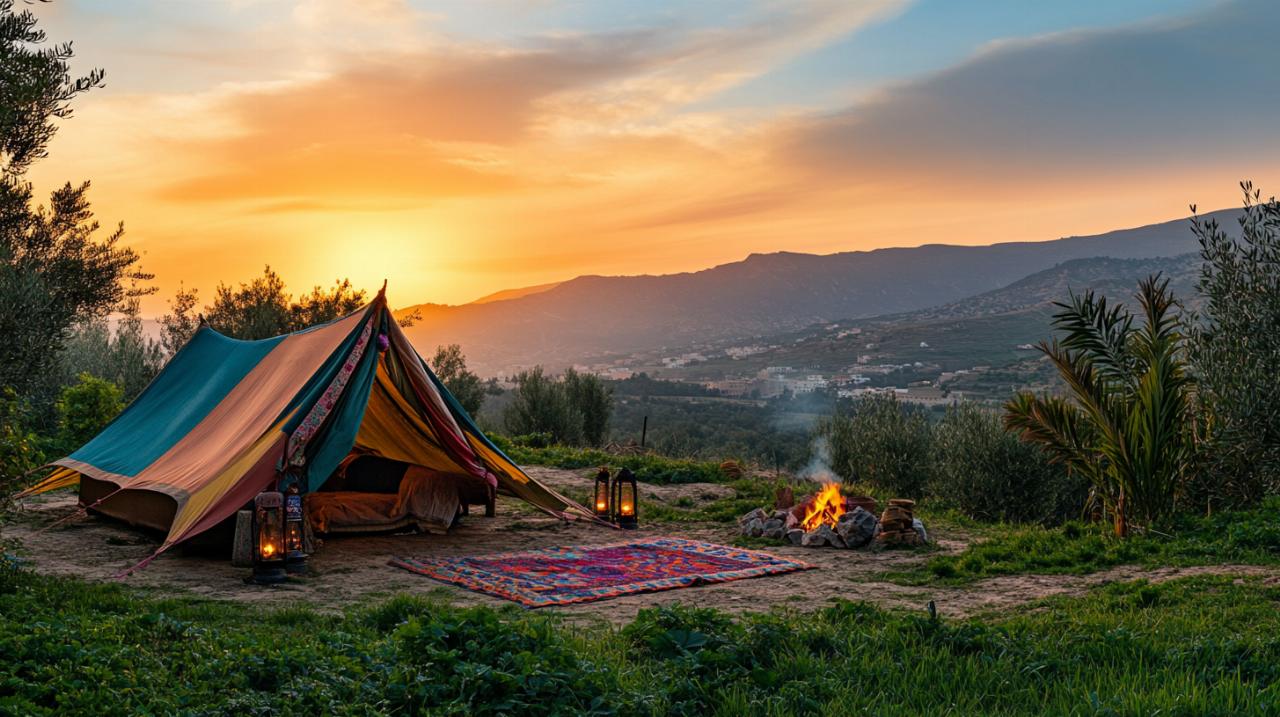
Nestled on the northern edge of Morocco, where the Mediterranean meets the Atlantic, Tangier has long captivated travellers with its unique blend of cultures, stunning coastal vistas, and warm hospitality. For those seeking an authentic outdoor adventure, camping in Tangier offers a gateway to a world of diverse landscapes, from sun-kissed beaches to rugged hinterlands. Whether you're driving a motorhome through Spain or planning a ferry crossing from Europe, this Moroccan jewel provides an unforgettable backdrop for a camping holiday that combines natural beauty with rich cultural experiences.
Essential camping kit and equipment for Tangier's coastal climate
Preparing for a camping trip to Tangier requires thoughtful consideration of the region's Mediterranean weather patterns. The climate here is generally mild, but seasonal variations can bring warm, dry summers and cooler, occasionally rainy winters. Spring and autumn are ideal times to visit, with temperatures hovering comfortably around twenty to twenty-five degrees Celsius, making outdoor living particularly pleasant. During these months, the coastal breeze provides natural cooling, and the chance of heavy rain is relatively low, ensuring that your camping experience remains enjoyable.
Recommended tents and shelters suited to Morocco's Mediterranean weather
When selecting a tent for your Tangier adventure, opt for a model that balances breathability with protection from occasional gusts of wind. A three-season tent is often sufficient, offering adequate ventilation during warm days while providing a reliable barrier against cooler evenings. Look for tents with a sturdy frame and a rainfly that can withstand unexpected showers, as coastal weather can sometimes surprise even seasoned campers. If you're travelling in a campervan or motorhome, you might consider a lightweight awning to extend your living space, creating a shaded area perfect for enjoying the views or preparing meals outdoors. Many travellers also appreciate the convenience of a pop-up canopy, which can serve as a versatile shelter for picnics or relaxation by the sea.
Camping gear checklist: what to pack for comfort and safety
Beyond your shelter, a well-rounded camping kit is essential for both comfort and safety. Start with a quality sleeping bag rated for the cooler nights, especially if you plan to camp during spring or autumn. A compact sleeping mat or inflatable mattress will ensure a restful night, cushioning you from uneven ground. Don't forget to pack a first-aid kit stocked with bandages, antiseptic, and any personal medications, as well as insect repellent to ward off mosquitoes and other pests that may be more prevalent near water sources.
Given Morocco's climate, sun protection is paramount. Bring a high-factor sunscreen, a wide-brimmed hat, and sunglasses to shield yourself from the intense midday rays. Hydration is equally important, so invest in reusable water bottles and consider a portable water filter if you plan to venture into more remote areas. While bottled water is widely available and inexpensive in Morocco, having a backup filtration system offers peace of mind. Additionally, pack lightweight, breathable clothing that covers your shoulders and knees, respecting local customs whilst keeping you comfortable. A small portable stove, cookware, and a cooler will enable you to prepare traditional meals like tagine and couscous, adding a delicious local flavour to your camping menu.
Best camping spots and campsites around Tangier
Tangier and its surrounding coastal regions offer a variety of camping options, from fully serviced campsites to more secluded spots that allow you to immerse yourself in nature. The area's proximity to both the Mediterranean and Atlantic coasts means you can choose between bustling beachside locations and quieter, more isolated retreats. Whether you prefer the amenities of an official campsite or the freedom of wild camping, the region caters to diverse preferences and travel styles.
Official campsites near Tangier's beaches and coastal areas
For those who value convenience and access to facilities, several official campsites dot the coastline near Tangier. Camping Echrigui, located in the charming town of Asilah, is a popular choice among motorhome and campervan travellers. With fees around thirty dirhams for a campervan and twenty dirhams per adult, it offers a budget-friendly option with basic amenities such as electricity, water, and waste disposal. The campsite's proximity to Asilah's picturesque medina and beaches makes it an ideal base for exploring the region's cultural and natural attractions.
Further along the coast, campsites near Mohammedia and other towns in the Rabat-Salé-Kénitra region provide additional options. Camping Ocean Bleu, for instance, charges around eighty dirhams for a campervan, plus an additional fee for electricity and children. These sites typically offer more comprehensive services, including washing facilities, laundry machines, and sometimes even small shops where you can stock up on essentials. Many campsites also feature communal areas where travellers can exchange tips and stories, fostering a sense of community among fellow adventurers.
Wild camping possibilities and local regulations to be aware of
Wild camping in Morocco, including the Tangier area, is generally tolerated, provided you remain discreet and respectful of the environment. Many travellers are drawn to the freedom of pitching their tent or parking their campervan in remote coastal spots, waking up to the sound of waves and the sight of the sun rising over the horizon. However, it's important to exercise caution and follow local customs. Avoid camping too close to villages or private property, and always leave no trace by taking your rubbish with you.
When planning to camp outside official sites, apps like Park4Night and iOverlander can be invaluable resources, offering insights from other travellers about safe and scenic locations. Social media groups, such as the Facebook community Vanlife Marokko Morocco Maroc Marruecos, are also excellent places to seek advice and discover hidden gems. Keep in mind that while wild camping is permitted in many inland areas, coastal zones may have restrictions, particularly near popular tourist destinations. Always check for local signage or ask nearby residents if unsure. In the event of any issues, local police and gendarmerie can be contacted on emergency numbers such as one seven seven or one nine.
Practical tips for a successful camping holiday in Tangier
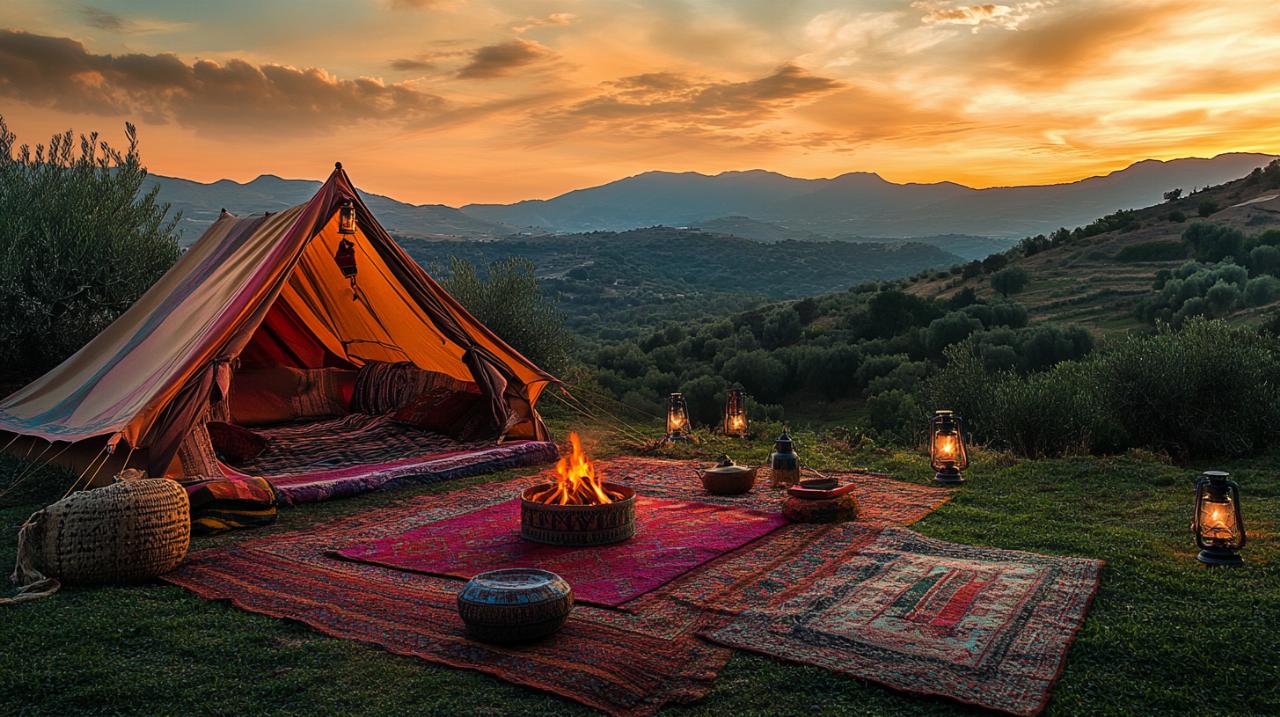
A camping trip to Tangier is as much about embracing local culture as it is about enjoying the natural surroundings. Understanding the customs, regulations, and practical logistics of travelling in Morocco will help ensure your adventure is smooth and rewarding. From navigating ferry crossings to respecting cultural norms, being well-prepared will allow you to focus on the experience rather than the details.
Understanding local customs, safety and cultural considerations
Morocco is a predominantly Muslim country, and visitors are encouraged to dress modestly, particularly when venturing into towns and rural areas. Covering your shoulders and knees is a sign of respect and will help you blend in with the local population. While Tangier is relatively cosmopolitan, smaller villages and inland areas maintain more traditional values, so it's wise to be mindful of your attire and behaviour.
Safety in Morocco is generally good, with locals known for their warmth and hospitality. However, as with any destination, it's important to remain vigilant against petty theft, especially in crowded markets and tourist hotspots. Keep your valuables secure and be cautious when approached by individuals offering unsolicited assistance. Children may ask for money or gifts, but it's best to decline politely to avoid encouraging this behaviour. Stray dogs are common in some areas, but they are usually not aggressive. If you encounter any issues, emergency services including the fire brigade, gendarmerie, and police can be reached easily.
When it comes to food and drink, Morocco's culinary offerings are a highlight of any visit. Traditional dishes such as tagine, couscous, and pastilla are must-tries, often accompanied by refreshing mint tea. If you're sampling street food, follow the lead of locals and opt for vendors with high turnover, ensuring freshness. Avoid pre-cut fruit and tap water, sticking instead to bottled water, which is cheap and readily available. Hand sanitiser and a well-stocked first-aid kit are essential, and ensuring your routine vaccinations are up to date, along with Hepatitis A and B, is recommended for peace of mind.
Getting to Tangier by road: ferry crossings and route planning from Europe
Reaching Tangier by road is an adventure in itself, offering a scenic journey through France and Spain before crossing the Strait of Gibraltar. Driving through France involves navigating toll roads, which can be paid by card, and in certain cities such as Paris, Lyon, and Grenoble, you'll need a Crit'Air sticker to comply with low-emission zone regulations. Spain, by contrast, boasts many toll-free motorways, though it's wise to remain alert for scams, particularly near Barcelona, where some travellers have reported issues at rest stops.
Ferry services to Morocco are frequent and varied, with routes departing from Spain, France, and Italy. Tanger-Med, Tanger Ville, Ceuta, Melilla, and Nador are among the most popular ports of entry, each offering distinct advantages depending on your starting point. Once you arrive, you'll need to present a passport valid for at least six months, and you'll receive a ninety-day stay permit upon entry. Travel insurance covering medical treatment in Morocco is highly recommended, and if you're driving your own vehicle, ensure you have a Green Card or purchase short-term insurance at the border if necessary. This typically costs around two thousand dirhams for one month.
Vehicles entering Morocco are subject to specific regulations. Each person is allowed one vehicle, and you'll be given an entry slip that must be kept safe, as losing it can cause complications when leaving the country. Vehicles can remain in Morocco for up to six months per year, and drones are banned, so leave them at home. If you're travelling with pets, be aware that a microchip, rabies vaccination, and antibody test are required for re-entry to the EU, with costs around one hundred and fifty euros as of the latest guidance.
Driving in Morocco is generally straightforward, with speed limits similar to those in Europe and a strict zero-alcohol policy. Fuel prices are reasonable, with petrol around fourteen dirhams and diesel around twelve dirhams per litre. Be cautious when driving at night, as road conditions and visibility can vary. In the event of an accident, contact the police immediately and exchange details with other parties involved. Tangier's coastal roads offer stunning views, and with careful planning, your journey from Europe to this Moroccan paradise will be as memorable as the destination itself.
 Traveling during the pandemic
 Best cities to visit
 Tips to save money when traveling
 Taking a vacation after a long work year.
 Discover the Var region
 The top tropical vacation destination
 Costa Rica rental car with Jumbocar; Way to enhance your travel experience?
 Why Choose Fuerteventura as Your Next Holiday Destination?
 Why Choose Tulum for Your Bachelorette Party?
 Yacht: Play the Originality Card on Vacation
 Mountain Vacations: What Can You Expect From Your Rental in the French Alps?
 Discover Europe on a Motorcycle: A Royal Enfield Adventure
 Preventing and Resolving Travel Disputes: Tips for a Worry-Free Adventure Organization
 10 Sustainable Travel Destinations for Eco-Conscious Explorers
 Discover Vibrant LGBTQ+ Culture in Buenos Aires
 Discover the Charm of Vacation Rentals in Sicily for an Unforgettable Holiday
 Discover top tropical destinations for your next travel adventure
 Discover the Best Beach Hotels in Spain for Your Next Relaxing Getaway
 Discover charming boutique hotels in seville province
 Discover Eco-Friendly Lodging Options in Guadeloupe for Your Next Vacation
 Discover the Ultimate Adventure Travel Guide for Family Adventures Across Europe
 Essential tips for starting your own travel blog
 Discovering the Latest Tech Gadgets for Enhancing Travel Accessories
 Azureva vs. The Competition: Finding Your Perfect All-Inclusive French Holiday Village in 2026
 Explore the Thrill of a Motorcycle Road Trip Across Continents
 A Traveller’s Guide to San Francisco: The Best and Worst Neighbourhoods for Art & Travel Around Golden Gate Park’s Cultural Scene
 Mappy Itinerary: Calculate Your Travel Route in Paris and Its Districts and Navigate Between Family Activities with Ease
 Best Self-Inflating Camping Mattresses 2023: Sleep Like You’re on a Cloud in the Wild – Choosing the Right Size for Maximum Comfort