
Mustard algae safety guide: understanding the risks before you swim
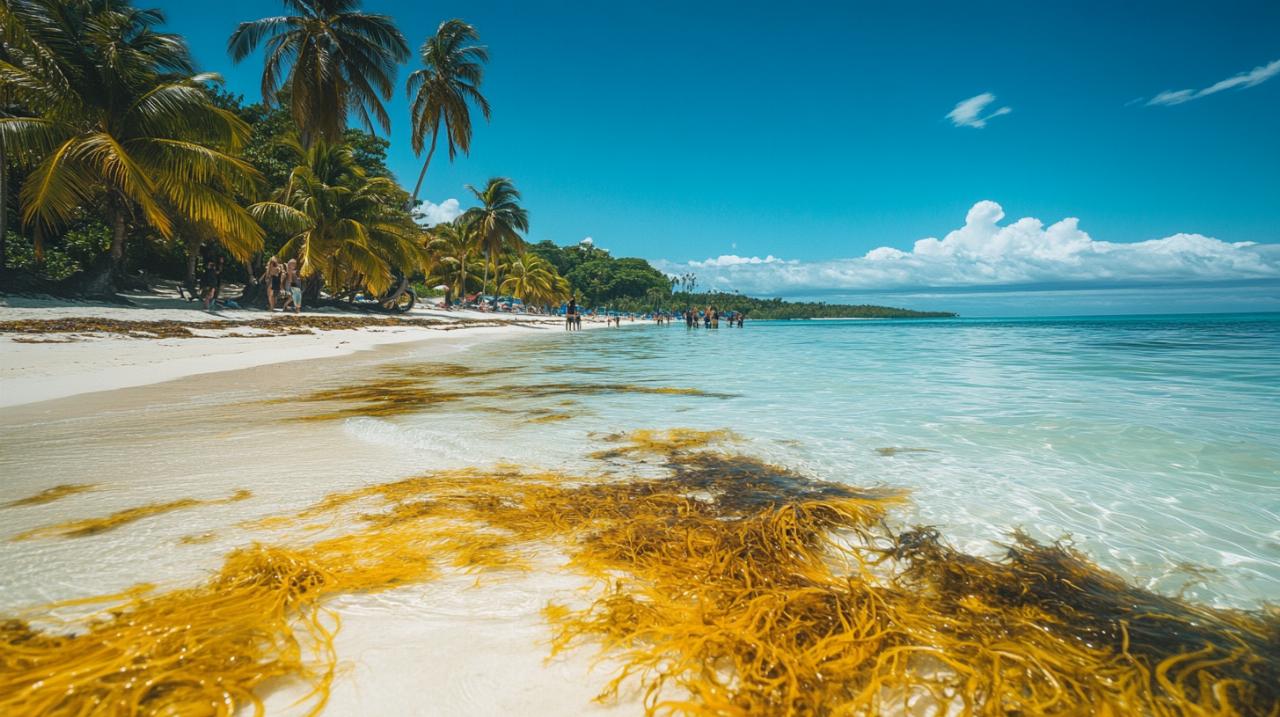
Discovering a peculiar yellowish dust clinging to the corners of your swimming pool can be unsettling, especially when you realise it is not just harmless pollen or sand but mustard algae. This persistent invader has a knack for resisting standard treatments and thrives in conditions that might otherwise seem well-maintained. Understanding what mustard algae is, the potential health implications of swimming in affected water, and the most effective ways to eliminate it can help you keep your pool safe and inviting throughout the warmer months.
What is Mustard Algae and Why Does It Appear in Your Pool?
Identifying the Yellowish Invader in Your Swimming Pool
Mustard algae, also known as yellow algae, is a type of algae that presents itself as a yellowish or brownish powdery substance on pool surfaces. Unlike the more common green algae, mustard algae tends to cling stubbornly to the walls and floor of the pool, particularly in shaded or less circulated areas. Many pool owners initially mistake it for pollen, sand, or even dirt, but a closer inspection reveals a fine, dusty texture that does not easily disappear when brushed. This algae is notably more resistant to typical chlorine levels, making it a challenging adversary for those hoping to maintain crystal clear water. While normal chlorine concentrations of one to three parts per million are often sufficient to keep green algae at bay, mustard algae requires a more aggressive approach. Its ability to survive in relatively well-chlorinated water means it can persist even when other pool chemistry parameters appear balanced.
Common causes behind mustard algae growth
Several factors contribute to the appearance and proliferation of mustard algae in swimming pools. Warm climates provide an ideal environment for this type of algae to flourish, as higher temperatures accelerate its growth cycle. Poor water circulation is another significant contributor, as stagnant areas of the pool offer mustard algae the opportunity to settle and multiply without being disturbed by filtration systems. Low sanitiser levels, particularly chlorine that has fallen below the recommended concentration, create an open invitation for algae blooms. High phosphate levels in the water also act as a nutrient source, feeding the algae and enabling it to spread more rapidly. Contaminated swimsuits, toys, and cleaning equipment can introduce mustard algae spores into the pool, effectively seeding the water with a new infestation. Even pools that are regularly maintained can fall victim to this persistent organism if any of these risk factors are present. Understanding these causes is essential for both treating existing algae and implementing preventative measures to keep your pool in pristine condition.
Health implications: can you safely take a dip?
Potential health risks associated with mustard algae exposure
While mustard algae itself is not as toxic as some other types of algae, particularly blue-green algae or cyanobacteria, swimming in a pool with mustard algae is generally not advisable. The presence of algae in contaminated water indicates that the pool's chemical balance is off, which can create an environment conducive to bacterial growth and other pathogens. Algae blooms in freshwater ecosystems, especially those caused by cyanobacteria, can be harmful if touched, swallowed, or inhaled in high concentrations. Symptoms of blue-green algae poisoning include sickness, skin irritation, and breathing problems. Although mustard algae is not typically associated with the same level of toxicity, it can still cause skin irritation and may harbour bacteria that pose health risks. The algae itself can act as a breeding ground for microorganisms that thrive in poorly sanitised water, increasing the likelihood of infections and other skin problems. Swimmers with sensitive skin or compromised immune systems are at greater risk of adverse reactions when exposed to algae-affected water.
When to Avoid Swimming and Seek Proper Treatment
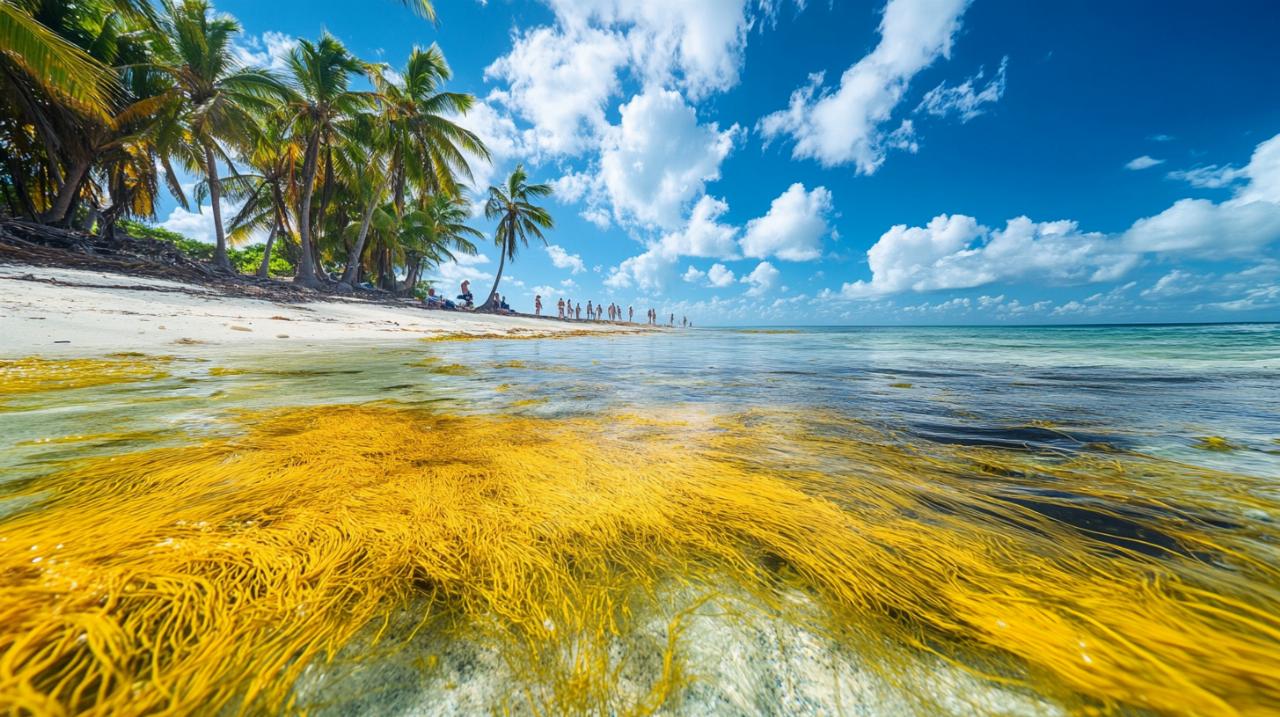
It is prudent to avoid swimming in a pool where mustard algae is present until the water has been properly treated and the algae has been completely eradicated. The appearance of yellowish patches on pool surfaces signals that the water chemistry is imbalanced and that the filtration system may not be functioning optimally. Swimming in such conditions not only exposes you to potential skin irritation but also increases the risk of ingesting or inhaling algae spores. If you or a family member develops symptoms such as skin rashes, nausea, or respiratory issues after swimming in algae-affected water, it is important to seek medical attention promptly. Washing off with warm water and soap after swimming can help reduce the risk of irritation, but prevention through proper pool maintenance is always the best course of action. Regularly testing the water chemistry, maintaining adequate chlorine levels, and ensuring good water circulation are all essential steps in keeping algae at bay and ensuring that your pool remains safe for everyone to enjoy.
Effective treatment methods to reclaim your pool
Step-by-step chemical treatment for algae removal
Eliminating mustard algae requires a comprehensive approach that goes beyond simply adding a bit more chlorine to the pool. The first step is to balance the pool water's chemistry, aiming for a pH level between 7.2 and 7.4 and an alkalinity range of 100 to 150 parts per million. Once the water chemistry is properly balanced, thoroughly brush all pool surfaces, including walls, floors, and steps, to dislodge the algae and allow the treatment chemicals to penetrate more effectively. After brushing, vacuum the pool to remove as much of the loosened algae as possible. The next critical phase is shock treatment, which involves adding a high dose of chlorine, typically raising the levels to between ten and thirty parts per million, and maintaining this concentration for 24 to 48 hours. During this period, it is essential to brush the pool again to ensure that the shock treatment reaches all affected areas. Following the shock treatment, apply a mustard-specific algaecide to target any remaining spores and prevent regrowth. Cleaning the pool filter thoroughly is also crucial, as mustard algae can become lodged in the filtration system and recontaminate the water if not properly addressed. Adding a clarifier can help clear the water and remove any remaining fine particles, restoring the pool's sparkling appearance. Throughout this process, it is important to disinfect all equipment that has come into contact with the pool, including swimsuits, toys, and cleaning tools, using a diluted bleach solution to prevent reintroduction of the algae.
Preventative measures to keep your pool crystal clear
Preventing mustard algae from returning requires ongoing vigilance and a commitment to regular pool maintenance. Keeping chlorine levels consistently between two and three parts per million is essential, as allowing the concentration to fall below one part per million creates an opportunity for algae to take hold. Regularly testing the water chemistry on a weekly basis ensures that any imbalances are detected and corrected before they can lead to an algae bloom. Good water circulation is equally important, as stagnant areas of the pool provide an ideal environment for mustard algae to flourish. Running the pool pump for an adequate number of hours each day and ensuring that the filtration system is functioning properly will help keep the water moving and prevent algae from settling. Brushing the pool surfaces regularly, even when algae is not visible, helps to disrupt any spores that may be attempting to establish themselves. Rinsing swim gear, toys, and cleaning equipment after each use, especially if they have been used in other bodies of water, can prevent contamination. Maintaining balanced phosphate levels is also crucial, as high phosphate concentrations act as a nutrient source for algae. Using enzyme cleaners and ensuring that the pool is free from organic debris such as leaves and pollen will further reduce the risk of algae growth. By combining these preventative measures with prompt treatment at the first sign of mustard algae, you can keep your pool in excellent condition and ensure that it remains a safe and enjoyable place to swim all season long.
 Why Choose Tulum for Your Bachelorette Party?
 Professions That Accompany People During Their Holidays
 Understanding the Benefits of Engaging Marketing Consulting Services
 Top digital marketing strategies to boost online growth
 Enhance Your Technology Use with Practical Tips and Guides
 Exploring home decor trends with casa idea
 Tips for designing effective construction site signs
 Exploring the Intersection of Fashion and Technology in Modern Shopping
 Discover the Best Hiking Trails in Vendée for Outdoor Enthusiasts
 Exploring compact coffee makers: efficient design and superior value
 How street fashion influences urban culture across the globe
 Essential beauty tips for achieving healthy skin naturally
 Exploring the Health Benefits of Meditation for Improved Well-being
 Exploring the Latest Nursery Decor Trends for Modern Homes
 Fashion-forward nightclub outfit tips to enhance your weekend style
 Explore Sustainable Living Practices for a Greener Lifestyle
 Essential Meal Planning Tips and Tricks for Budget-Friendly Dining
 Exploring Eco-Friendly Fashion Trends for a Sustainable Wardrobe
 How to Use a Price Comparison Website for Electronics to Save Money
 Comprehensive Guide to Choosing the Right Beach Volleyball Ball
 Discover the Top Kitchen Robot Brands and Essential Buying Tips
 Smart Shopping Tips for Dressing Stylishly Without Breaking the Bank
 Effortless Ways to Style Military Sleeveless Shirts for Any Occasion
 The Tallest and Longest Water Slide in the World: How International Regulations Keep Riders Protected
 Top Tips for a Pet-Friendly Home Design
 Choosing the Best Photography Style for Your Wedding
 Top metal forged decoration ideas for planning your next adventure space
 How to Choose the Right Steam Cleaner for Home with Specific Nozzles