
How street fashion influences urban culture across the globe
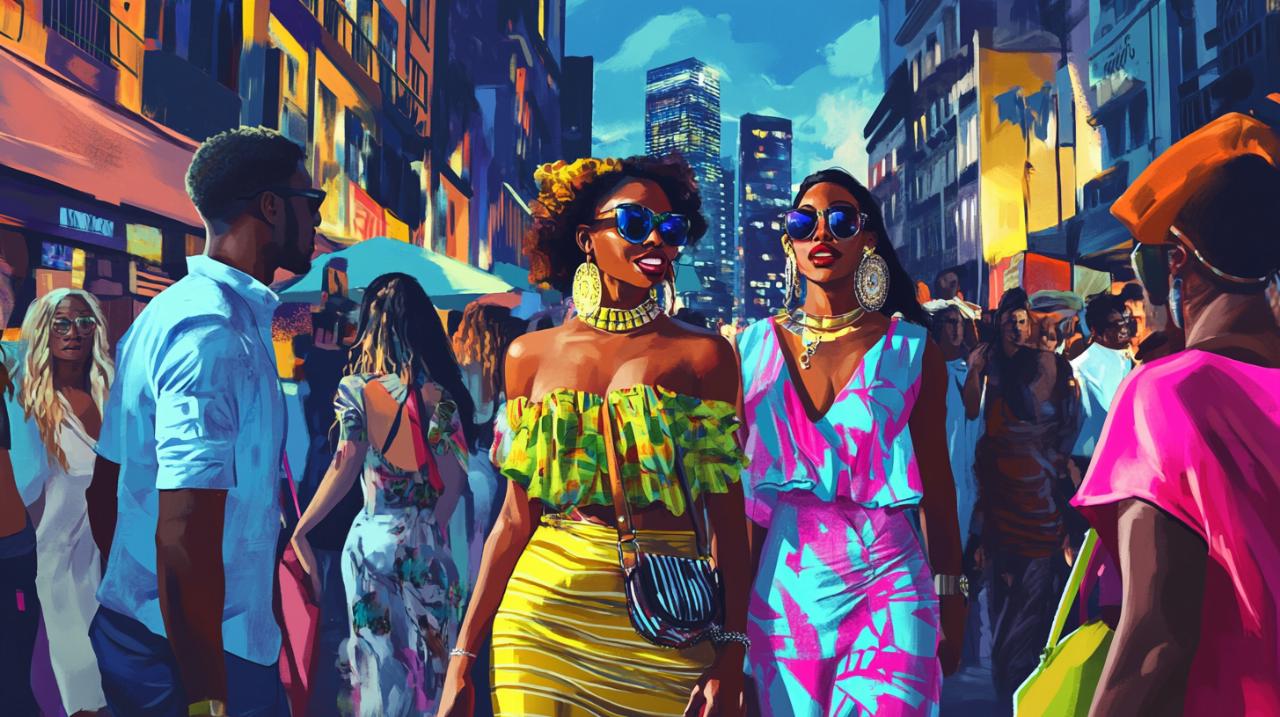
Street fashion represents one of the most dynamic and authentic expressions of contemporary urban life, emerging not from the polished confines of design studios but from the vibrant, chaotic energy of city streets themselves. As a cultural force, it transcends mere clothing choices to become a visual language through which individuals and communities articulate identity, resistance, and belonging. From the graffiti-laden alleyways of New York to the neon-lit crossings of Tokyo, street fashion captures the pulse of metropolitan existence, reflecting and shaping the character of urban spaces in equal measure. Its influence extends far beyond the pavements, infiltrating mainstream design, challenging conventional aesthetics, and democratising fashion through the power of social media and grassroots creativity.
Street Fashion as a Mirror of Urban Identity and Social Movements
The relationship between street fashion and urban identity runs deep, with clothing serving as a tangible manifestation of the values, struggles, and aspirations of city dwellers. Throughout its evolution, street fashion has consistently provided a platform for marginalised voices to assert their presence and challenge dominant narratives. The phenomenon gained significant momentum during the 1970s and 1980s, when young people from economically disadvantaged communities began using fashion as a means of resistance against societal expectations and exclusion. Hip-hop culture in American cities transformed oversized trousers, gold chains, and branded sportswear into symbols of defiance and aspiration, whilst punk movements across London and other metropolitan centres embraced torn fabrics, safety pins, and unconventional silhouettes as statements of rebellion against conformity.
The Visual Language of Subcultures in Metropolitan Spaces
Subcultures have always functioned as incubators for street fashion innovation, with each movement contributing distinctive visual codes that communicate shared values and experiences. Skateboarding culture in California developed a relaxed, rebellious aesthetic that prioritised functionality and anti-establishment attitudes, giving rise to brands that would eventually achieve global recognition. The influence of these skateboarding communities extended well beyond their immediate circles, reshaping casual wear across generations and geographies. Similarly, the Harajuku district in Tokyo became internationally renowned for its experimental approach to fashion, where young Japanese innovators blended traditional garments with Western influences to create bold, eclectic ensembles that defied categorisation. Designers such as Nigo and Hiroshi Fujiwara pioneered the fusion of luxury sensibilities with street authenticity, establishing a template that would later facilitate collaborations between high-end fashion houses and streetwear labels. The tmart phenomenon and similar retail developments have further democratised access to these subcultural aesthetics, allowing broader audiences to engage with styles that were once confined to specific urban enclaves.
How Street Style Captures the Pulse of Social Change
Street fashion functions as a barometer for shifting social attitudes, with trends often emerging in response to broader cultural transformations and political movements. The rise of athleisure, for instance, reflects changing attitudes towards work-life balance and the increasing importance of wellness in contemporary urban life. Brands specialising in sportswear have capitalised on this shift, creating garments that blur the boundaries between athletic performance and everyday comfort. Meanwhile, the hypebeast culture surrounding limited-edition releases and exclusive collaborations speaks to contemporary anxieties about scarcity, authenticity, and social status in an era of mass production. The growing popularity of vintage and thrifted clothing represents another significant development, driven by both environmental consciousness and a desire for individuality in an increasingly homogenised fashion landscape. This movement towards sustainability and eco-friendly practices demonstrates how street fashion can serve as a vehicle for ethical consumption, challenging the fast fashion model that has dominated recent decades. The adoption of minimalist aesthetics by certain segments of the street fashion community further illustrates this diversity, with clean lines and timeless pieces offering an alternative to the maximalist, logo-heavy styles that characterise other trends.
From Pavements to Runways: Street Fashion’s Impact on Mainstream Design
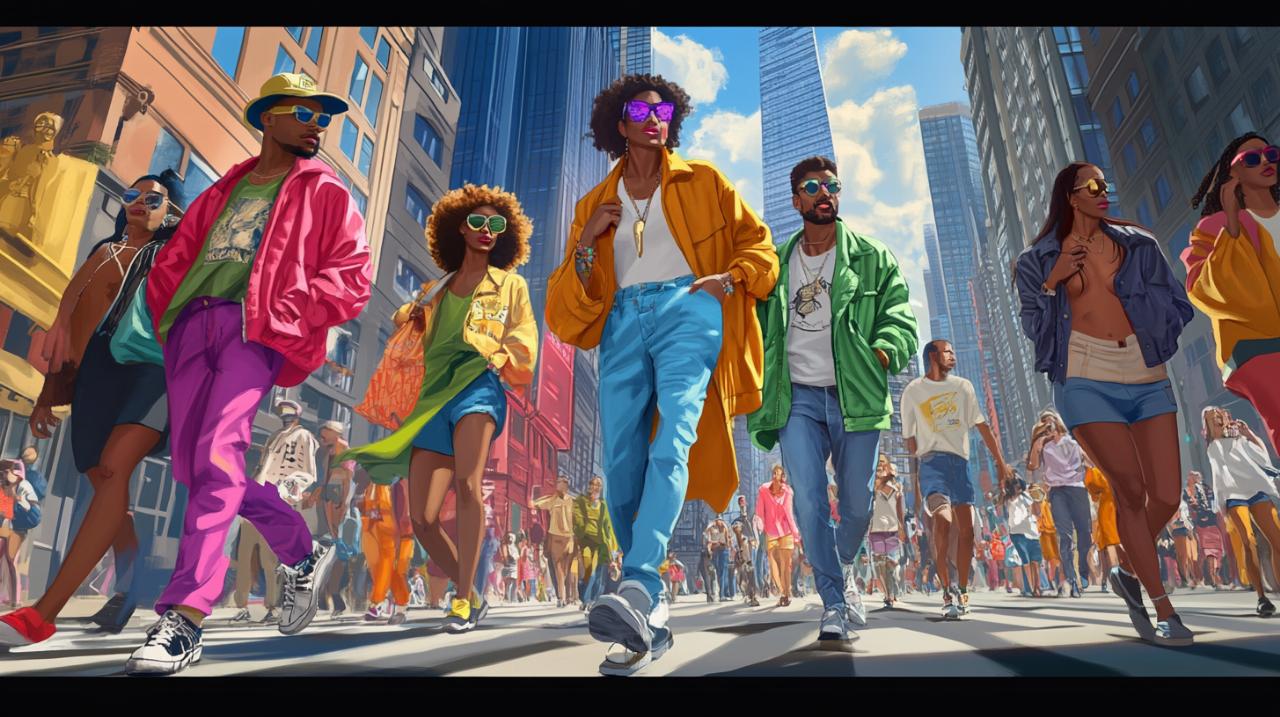 The journey of street fashion from subcultural margins to the centre of the global fashion industry represents one of the most significant transformations in contemporary design. What began as grassroots expression among disenfranchised youth has evolved into a driving force within luxury fashion, fundamentally altering the relationship between high culture and popular culture. Major fashion houses have increasingly recognised the commercial and creative potential of street aesthetics, leading to collaborations that would have been unthinkable just decades earlier. The partnership between Louis Vuitton and Supreme exemplified this shift, bringing together a heritage luxury brand with a skateboarding label to create products that commanded extraordinary prices and generated unprecedented hype. Similarly, collaborations such as Dior with Air Jordan and Balenciaga with Adidas have blurred traditional distinctions between sportswear and haute couture, creating hybrid products that appeal to diverse consumer bases.
The Journey of Trends from Street Corners to High Street Retailers
The mechanisms through which street fashion trends migrate to mainstream retail environments have become increasingly sophisticated, accelerated by digital platforms and social media networks. Instagram, TikTok, and Pinterest have transformed ordinary individuals into influential tastemakers, with their outfit choices potentially reaching millions of viewers within hours. Hashtags such as OOTD have created vast digital archives of personal style, allowing trends to spread rapidly across geographical and cultural boundaries. Street style photographers, including figures like Scott Schuman and Tommy Ton, have played crucial roles in documenting and legitimising street fashion, capturing candid images at fashion weeks that often generate as much attention as the runway shows themselves. These visual records have helped establish street fashion as a subject worthy of serious consideration within the broader fashion discourse. Retailers have responded to these trends by accelerating their design and production cycles, attempting to capitalise on the latest street fashion developments before they fade from public consciousness. This rapid adoption has occasionally sparked debates about cultural appropriation and the commodification of authentic subcultural expression, highlighting tensions between grassroots creativity and commercial exploitation.
How urban aesthetics reshape the fashion industry
The influence of urban aesthetics on the fashion industry extends beyond individual trends to encompass fundamental shifts in how clothing is designed, marketed, and consumed. Designers like Virgil Abloh and Demna Gvasalia have built their careers on synthesising street sensibilities with high fashion craftsmanship, demonstrating that these seemingly opposed traditions can coexist productively. Trainers, once relegated to purely athletic contexts, have become essential fashion items commanding prices that rival traditional luxury footwear. Hoodies, cargo trousers, and oversized silhouettes, all staples of street fashion, now regularly appear in the collections of prestigious fashion houses, their adoption signalling a broader democratisation of style. The emergence of digital fashion and NFTs represents the latest frontier in this evolution, with platforms offering virtual garments designed for digital spaces and social media profiles. These developments suggest that street fashion’s influence will continue expanding into new domains, potentially reshaping how individuals conceptualise and experience fashion in increasingly digital lives. The growing emphasis on sustainability within street fashion communities has also begun influencing mainstream industry practices, with upcycling and organic materials becoming more prominent in both streetwear labels and established brands. This environmental consciousness reflects street fashion’s capacity to address pressing social issues whilst maintaining its commitment to creativity and self-expression, ensuring its continued relevance in shaping urban culture across the globe.
 Why Choose Tulum for Your Bachelorette Party?
 Professions That Accompany People During Their Holidays
 How to Create a Cozy Living Room Design for Winter
 Boost your online store’s conversions with visual heat maps
 Understanding the Benefits of Engaging Marketing Consulting Services
 Top digital marketing strategies to boost online growth
 Enhance Your Technology Use with Practical Tips and Guides
 Exploring home decor trends with casa idea
 Mastering two-color wall painting: tips and techniques
 Tips for designing effective construction site signs
 Exploring the Intersection of Fashion and Technology in Modern Shopping
 Discover the Best Hiking Trails in Vendée for Outdoor Enthusiasts
 Exploring compact coffee makers: efficient design and superior value