Choosing the Best Photography Style for Your Wedding
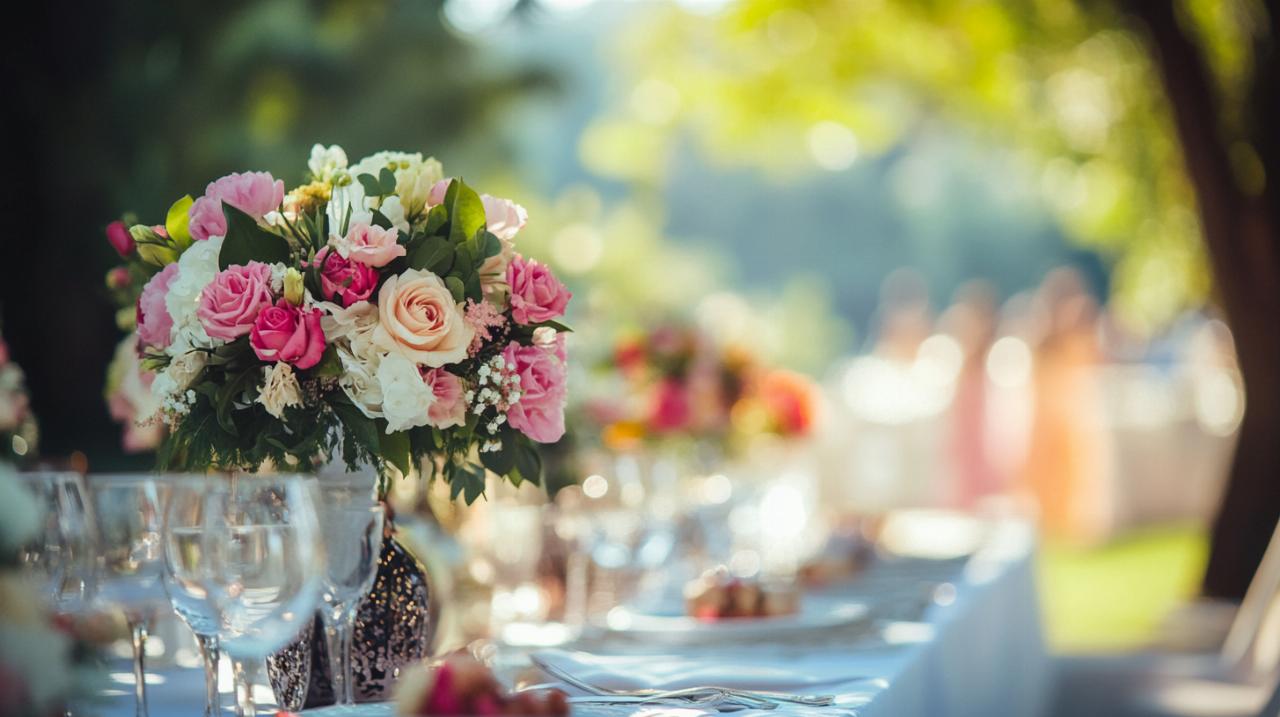
Your wedding day represents one of the most significant moments in your life, and capturing those memories through photography requires careful consideration and planning. The style you choose for your wedding photography will shape how you remember this special occasion for years to come, influencing everything from the candid moments shared between loved ones to the formal portraits that will adorn your walls. Whether you envision a collection of natural, spontaneous images or prefer a more curated and artistic approach, understanding the various photography styles available will help you make an informed decision that truly reflects your personality and the atmosphere of your celebration.
Understanding different wedding photography states
The world of wedding photography encompasses a diverse range of styles, each offering a unique perspective on how your special day can be documented. From the unobtrusive observation of documentary work to the carefully composed elegance of traditional portraiture, the choice you make will significantly impact the final collection of images that tell your wedding story. Many contemporary photographers, particularly those working in London and across the United Kingdom, have developed hybrid approaches that blend multiple techniques to create comprehensive coverage that captures both the spontaneity of genuine emotions and the timeless beauty of carefully arranged compositions.
Documentary photography: capturing authentic moments
Documentary style wedding photography has gained tremendous popularity among couples who value authenticity and natural storytelling above all else. This approach prioritises capturing the day as it unfolds organically, without artificial poses or staged scenarios that might interrupt the flow of your celebration. A photographer specialising in this method acts almost invisibly, observing and recording genuine interactions, spontaneous laughter, and heartfelt tears without directing the action. The result is a collection of images that transport you back to specific moments, allowing you to relive the emotions and atmosphere of your wedding day with remarkable clarity. This style particularly appeals to couples who want their photographs to reflect the true essence of their relationship and the authentic connections shared with family and friends. The documentary approach also works beautifully with natural light photography, where skilled photographers make the most of available lighting conditions to create images that feel genuine and unforced, though they may employ flash when necessary to ensure technical quality remains consistently high throughout varying conditions.
Many couples seeking this authentic representation find themselves drawn to photographers who offer comprehensive coverage across various locations, from intimate ceremonies in the Lake District to grand celebrations in Manchester or Liverpool. The documentary style captures not only the major milestones of your day but also the smaller, quieter moments that might otherwise go unnoticed—a grandmother’s gentle smile, children playing during the reception, or the quiet moment shared between partners before the ceremony begins. These candid photography moments often become the most treasured images in your wedding album, serving as powerful reminders of the genuine emotions that made your day truly special. For those considering carnivale studio wedding photography services and similar offerings, the documentary approach provides a comprehensive narrative that documents your celebration from beginning to end, creating a visual story that feels both complete and emotionally resonant.
Traditional versus contemporary approaches
Traditional photography represents the classic approach to wedding documentation, characterised by posed portraits, carefully arranged group shots, and a focus on timeless elegance rather than artistic experimentation. This style ensures that everyone important to you appears in formal photographs, typically including extended family groupings that become cherished heirlooms for generations to come. Most photographers working in this vein will allocate approximately twenty minutes to capturing six to eight group shots, efficiently organising relatives and friends whilst maintaining the celebratory atmosphere. The traditional approach appeals to couples who appreciate structure and want to ensure that specific combinations of people are photographed together, creating a formal record of attendance that complements the more spontaneous images captured throughout the day. This method also extends to portrait photography, where the photographer will direct you and your partner into flattering positions that highlight your connection whilst ensuring technical perfection in terms of lighting and composition.
Contemporary approaches, by contrast, embrace creative photography techniques that push beyond conventional boundaries to produce images with a distinctly modern and artistic character. Fine art wedding photography exemplifies this trend, often utilising medium format Portra film to create portraits with a bright and airy feel that differs markedly from standard digital imagery. Some photographers specialise in dark and moody lighting techniques, employing low-key illumination to craft romantic and elegant photographs that evoke a particular emotional atmosphere. Editorial style photography draws inspiration from fashion magazines, creating images that feel polished and intentionally composed whilst still capturing authentic moments. The contemporary photographer might also incorporate analogue film photography using 35mm film for its distinctive colours and grain, or provide both colour and black and white photography versions of every image, allowing you to choose between vibrant documentation and dramatic monochrome interpretations. These modern approaches often appeal to couples planning European weddings or celebrations in distinctive venues across Wales, Cheshire, Yorkshire, and the North West England region, where the unique character of the location can be emphasised through creative photographic techniques.
Selecting a photographer who matches your vision
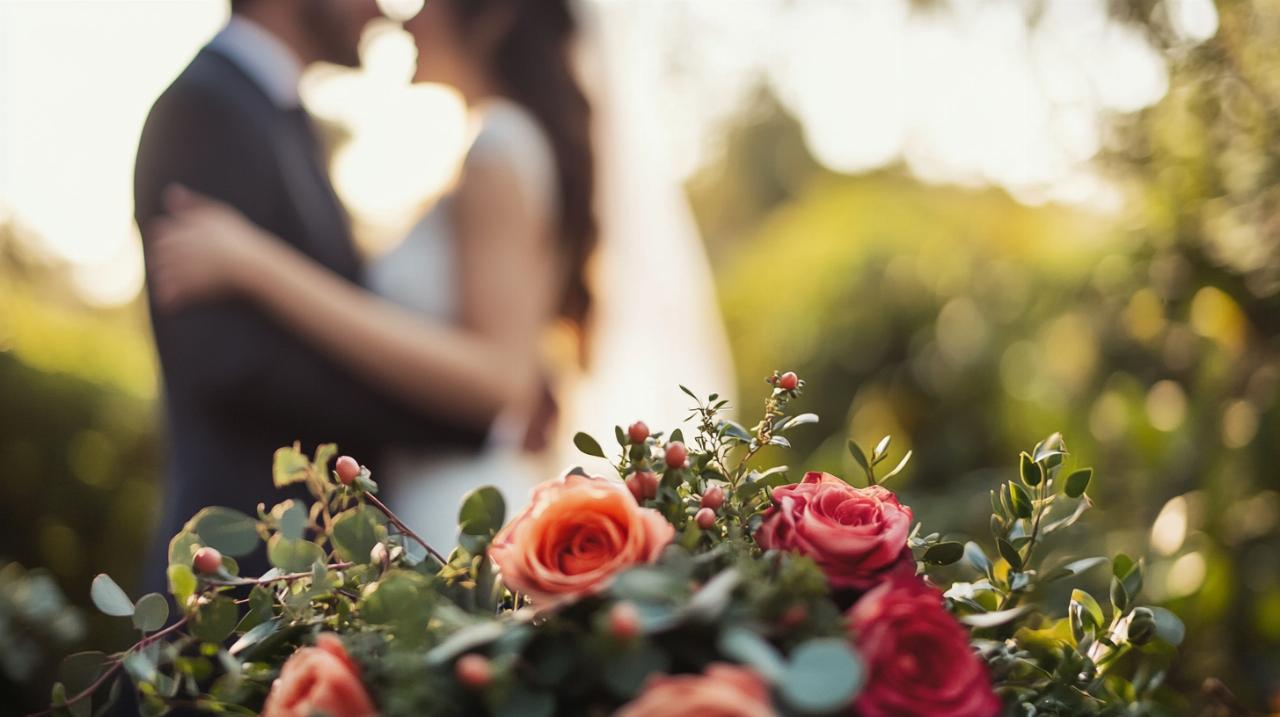
Finding the right photographer involves more than simply admiring beautiful images on social media platforms. The process requires thoughtful consideration of how their work aligns with your personal aesthetic preferences and the specific vision you hold for your wedding documentation. A London-based photographer with international coverage might offer the technical expertise and experience you need, but their style must resonate with you on a deeper level to ensure satisfaction with your final collection. The relationship between couple and photographer forms a crucial component of successful wedding photography, as comfort and trust enable genuine moments to unfold naturally before the camera.
Reviewing portfolios and previous work
Examining a photographer’s portfolio provides essential insight into their capabilities, consistency, and artistic vision. Rather than being swayed solely by trending imagery on Instagram, take time to review complete wedding galleries that demonstrate how the photographer covers an entire day from preparation through to evening celebrations. Look for photography style consistency across multiple weddings, ensuring that the quality and approach remain steady rather than varying wildly between different events. Pay particular attention to how they handle various lighting conditions, from bright outdoor ceremonies to dimly lit reception venues, and note whether they successfully capture both wide environmental shots and intimate close-up moments. Consider whether you can imagine yourself within their photographs, seeing your own story reflected in the images they create for other couples. This imaginative exercise helps determine whether their particular vision aligns with your expectations and aesthetic preferences.
When reviewing portfolios, also consider the breadth of coverage provided. Do the images include thoughtful documentation of wedding details such as flowers, decorations, and personal touches that make each celebration unique? Are there examples of both candid moments and posed portraits that demonstrate versatility? For couples interested in analogue aesthetics, check whether the photographer offers 35mm film or medium format film options alongside digital coverage. Photographers with over a decade of experience often bring valuable planning assistance and logistical knowledge that extends beyond simply taking photographs, helping you structure your timeline to ensure optimal lighting and sufficient time for various photography needs. Whether your celebration takes place in Lancashire, Manchester, Liverpool, or further afield in the Lake District or across European destinations, reviewing how photographers have handled similar venues and settings provides confidence in their ability to adapt to your specific circumstances.
Communicating your expectations clearly
Effective photographer consultation begins with honest communication about your priorities and preferences. Before committing to any photography service, consider fundamental questions about what matters most to you. How important are formal portraits compared to documentary coverage? Do you envision traditional group shots featuring extended family, or would you prefer minimal interruption to the natural flow of your celebration? How significant are the wedding details in your overall vision, and do you want extensive documentation of decorative elements alongside people-focused imagery? What editing styles appeal to you, and have you considered how dramatically different post-processing approaches can alter the mood and character of identical scenes? These questions help establish clear expectations that guide your photographer selection advice process.
Arranging a conversation with potential photographers allows you to assess whether you connect on a personal level and whether they genuinely listen to and understand your vision. A photographer who takes time to learn about your relationship, your aesthetic preferences, and your priorities for the day will be better equipped to deliver images that truly resonate with you. Discuss practical considerations such as whether they have previous experience at your chosen venue or whether they are willing to visit beforehand to familiarise themselves with the location and lighting conditions. For couples planning Cheshire weddings, Wales weddings, or celebrations in other distinctive locations, this advance preparation can significantly improve the quality and creativity of the final images. Remember that successful outcomes depend not only on technical skill but also on the photographer’s ability to work collaboratively with you, responding to your needs whilst offering professional guidance based on their expertise. The investment you make in wedding photography extends far beyond the wedding day itself, creating a visual legacy that will preserve your memories for decades to come, making thorough photographer selection essential to your overall wedding planning process.
 Why Choose Tulum for Your Bachelorette Party?
 Professions That Accompany People During Their Holidays
 How to Create a Cozy Living Room Design for Winter
 Boost your online store’s conversions with visual heat maps
 Understanding the Benefits of Engaging Marketing Consulting Services
 Top digital marketing strategies to boost online growth
 Enhance Your Technology Use with Practical Tips and Guides
 Exploring home decor trends with casa idea
 Mastering two-color wall painting: tips and techniques
 Tips for designing effective construction site signs
 Exploring the Intersection of Fashion and Technology in Modern Shopping
 Discover the Best Hiking Trails in Vendée for Outdoor Enthusiasts
 How street fashion influences urban culture across the globe
 Essential beauty tips for achieving healthy skin naturally
 Exploring the Health Benefits of Meditation for Improved Well-being
 Exploring the Latest Nursery Decor Trends for Modern Homes
 Fashion-forward nightclub outfit tips to enhance your weekend style
 Explore Sustainable Living Practices for a Greener Lifestyle
 Essential Meal Planning Tips and Tricks for Budget-Friendly Dining
 Creative home decor tips to elevate your living space
 How to Find the Best Deals for Your Budget on Garden Furniture
 How to Use a Price Comparison Website for Electronics to Save Money
 Comprehensive Guide to Choosing the Right Beach Volleyball Ball
 Discover the Top Kitchen Robot Brands and Essential Buying Tips
 Smart Shopping Tips for Dressing Stylishly Without Breaking the Bank
 Effortless Ways to Style Military Sleeveless Shirts for Any Occasion
 Creative presentation ideas for your monthly book subscription
 The Tallest and Longest Water Slide in the World: How International Regulations Keep Riders Protected