The Tallest and Longest Water Slide in the World: How International Regulations Keep Riders Protected
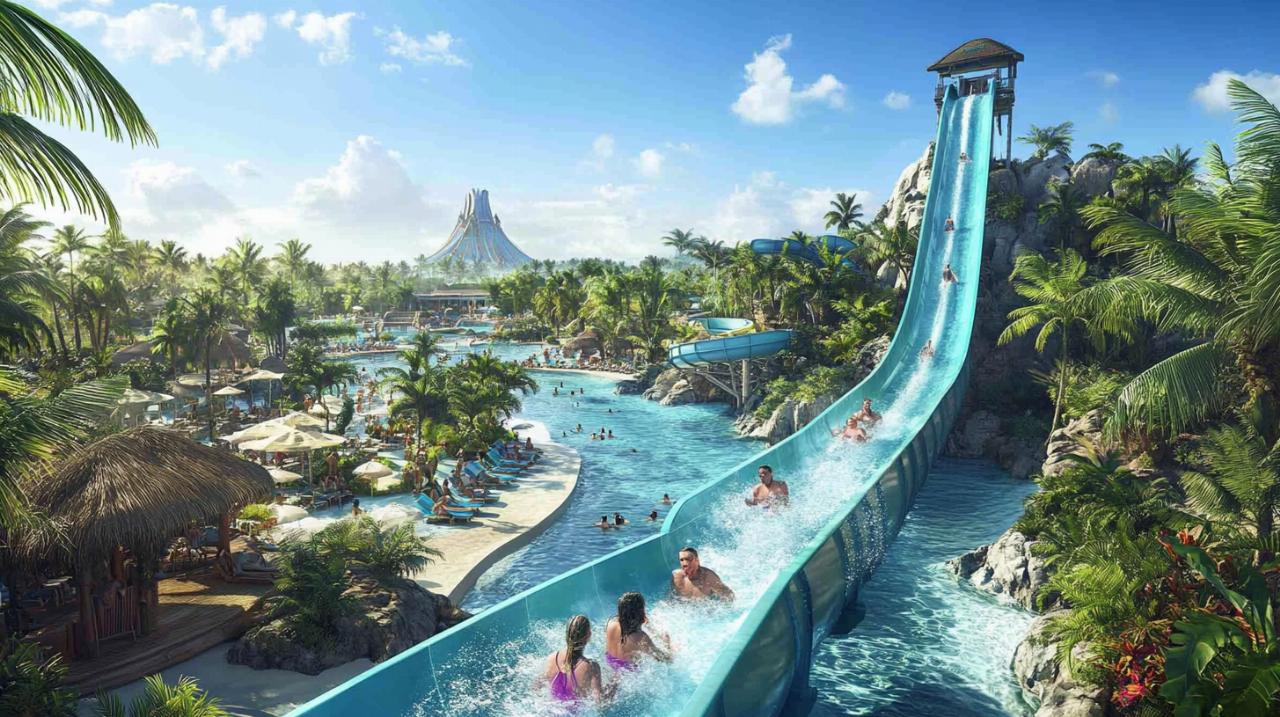
From the palm-fringed shores of Malaysia to the frosty peaks of Disney's winter wonderland, water slides have evolved from humble beginnings into jaw-dropping feats of engineering that push the boundaries of human thrill-seeking. The first water slide debuted in New Zealand back in 1906, a far cry from today's towering descents and serpentine courses that stretch across entire hillsides. With nearly two thousand water parks sprouting up across the globe over the past three decades, the race to build the tallest, longest, and fastest attractions has intensified, drawing millions of visitors eager to experience the ultimate aquatic rush. Yet behind every heart-pounding plunge lies a meticulous framework of international regulations, cutting-edge design, and physics-driven safety measures that ensure riders emerge exhilarated rather than injured.
Record-Breaking Water Slides: From Verrückt to the Highest Descents Across Europe and Dubai
The Rise and Fall of Schlitterbahn's Verrückt in Kansas City: A Cautionary Tale
The story of Verrückt, once hailed as the tallest water slide on the planet, serves as a sobering reminder that ambition must always be tempered by rigorous safety standards. Located at Schlitterbahn Waterpark in Kansas City, this towering attraction promised an unparalleled rush as riders plummeted from dizzying heights. However, the slide's troubled history underscores the critical importance of adhering to international regulatory frameworks. Early water parks experienced higher injury rates, but modern installations have since implemented stringent safety protocols to prevent such tragedies. The lessons learned from Verrückt have reverberated throughout the industry, prompting engineers and park operators to prioritise comprehensive testing and compliance over sheer spectacle.
Modern Giants: Examining Towering Attractions in France, Dubai, and Beyond
Across the West and into the heart of Asia, a new generation of water slides has emerged, each vying for a place in the record books whilst maintaining exemplary safety standards. In Penang, Malaysia, the longest mat water slide in the world stretches an astonishing one thousand one hundred and eleven metres, equivalent to twelve football fields, at the ESCAPE theme park. This slide, the centrepiece of the Gravityplay phase, was constructed without felling a single tree, with a four hundred and twenty metre chair lift ferrying eager thrill-seekers seventy metres off the ground. In Dubai, the Leap of Faith plunges visitors down a ninety-foot Mayan temple before sending them hurtling into a shark tank, a spectacle that marries architectural drama with aquatic wildlife. Meanwhile, Brazil's Insano and Kilimanjaro slides offer heart-stopping drops of one hundred and thirty-five feet and one hundred and sixty-four feet respectively, with speeds approaching sixty-five miles per hour. Over in Florida, Disney's Blizzard Beach boasts Summit Plummet, a one hundred and twenty-foot descent that sees riders accelerating to sixty miles per hour, all within the immersive setting of a whimsical winter resort. Europe, too, has staked its claim, with Slovenia's Aqualoop featuring a trapdoor start and a near-vertical loop, whilst Austria's Space Twister offers a two hundred and two metre virtual reality experience. Each of these attractions represents a delicate balance between audacity and engineering precision, ensuring that the pursuit of adrenaline never compromises rider wellbeing.
Engineering Marvels and Safety Standards: What Makes These Aquatic Attractions Both Thrilling and Secure
Design Innovations: Speed, Height, and Course Length in Contemporary Waterpark Construction
Creating a water slide that delivers both thrills and safety requires a deep understanding of physics and meticulous design innovation. Gravity, friction, and inertia are the fundamental forces at play, and engineers must choreograph these elements to ensure riders experience exhilaration without risk. Eric Martell, a physics professor, explains how gravity accelerates riders whilst friction acts as a natural brake, moderating speed as bodies glide over wet surfaces. Rick Hunter of ProSlide Technology, a leading firm in the industry, emphasises the importance of curve design and water depth in controlling velocity. Modern computer software allows designers to model every aspect of a slide's performance, accounting for variables such as rider weight and trajectory. This digital precision has transformed the industry, enabling the creation of attractions like Texas's MASSIV Monster Blaster, a water coaster standing eighty-one feet tall with a three hundred and thirty yard flume, or Indiana's Wildebeest, which spans over two acres and features a four-storey drop. In Pennsylvania, Kalahari Resorts houses the largest indoor water park in the United States, covering two hundred and twenty thousand square feet, where controlled environments further enhance safety. The Blaster on Royal Caribbean's Navigator of the Seas offers an eight hundred foot journey across two and a half football fields, demonstrating how maritime engineering has embraced waterpark innovation. Even Costa Rica's Jungle Slide, which requires riders to don helmets as they whizz through dense foliage, exemplifies how design can adapt to natural landscapes whilst prioritising protection. Each of these projects reflects a commitment to pushing the envelope without sacrificing the integrity of the rider experience.
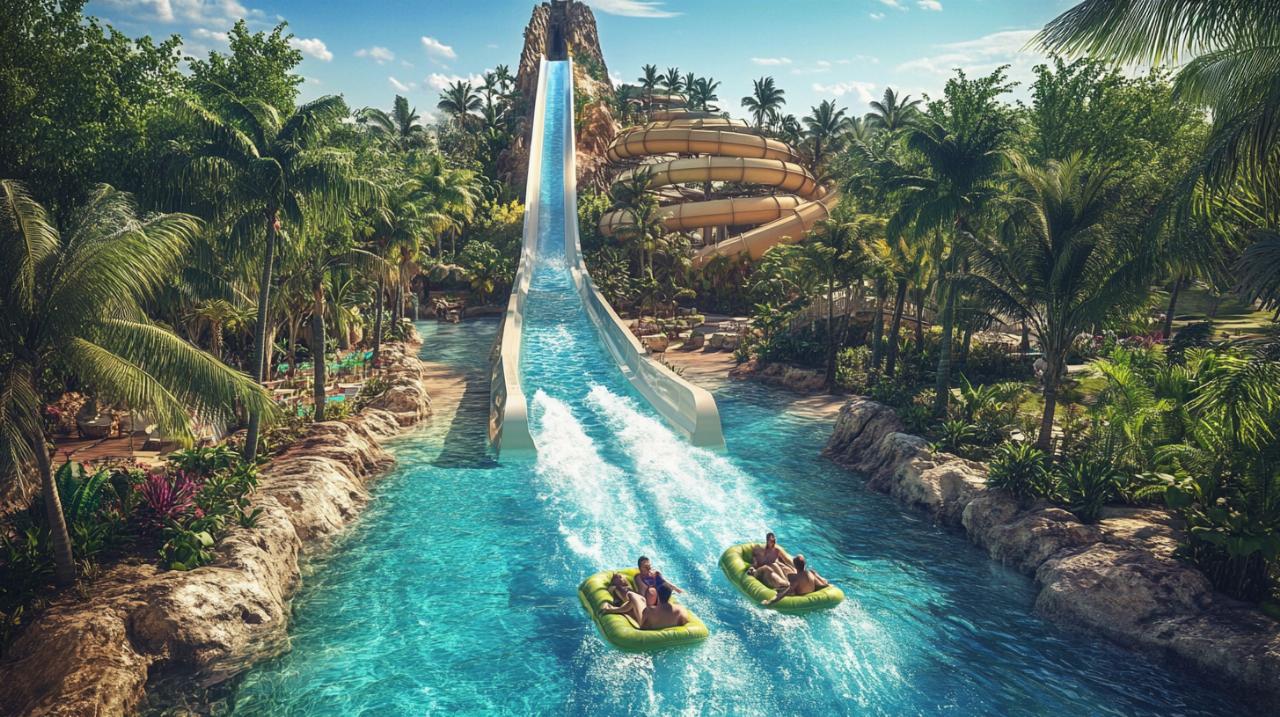
International regulatory frameworks governing aquatic park installations worldwide
The global proliferation of water parks has necessitated the development of robust international regulatory frameworks to standardise safety protocols across diverse jurisdictions. These frameworks encompass everything from structural integrity and materials testing to operational procedures and staff training. In the wake of high-profile incidents, authorities have intensified scrutiny, mandating comprehensive risk assessments and third-party inspections before any new attraction opens to the public. The industry has responded by embracing best practices that draw on expertise from civil engineering, fluid dynamics, and biomechanics. For instance, the construction of the Malaysian slide at ESCAPE took approximately eight months, a period during which designers and regulators collaborated to ensure compliance with international benchmarks. Similarly, the trapdoor mechanism of Slovenia's Aqualoop underwent rigorous testing to verify that the sudden drop would not subject riders to excessive G-forces beyond the acceptable threshold of two point five. Across Europe, parks must adhere to directives that govern everything from queue management to emergency response protocols, whilst in the United States, organisations such as the Consumer Product Safety Commission provide oversight. In Asia, countries like China have invested millions of euros in state-of-the-art facilities, with Behemoth Bowl at the nation's largest water park featuring a bowl component sixty feet wide, a scale that demands meticulous engineering oversight. The harmonisation of these regulations ensures that whether one is sliding in Dubai, France, or the Bahamas, the same rigorous safety standards apply, providing peace of mind alongside the adrenaline rush.
The Global Landscape of Extreme Water-Based Entertainment: Investment, Visitor Numbers, and Future Trends
Multi-million euro investments: how venues like blizzard beach and sim choo kheng attractions draw visitors
The financial stakes in the waterpark industry are staggering, with operators committing millions of euros to construct attractions that captivate global audiences. Disney's Blizzard Beach, with its iconic Summit Plummet and imaginative theming, has become a benchmark for how strategic investment can transform a park into a must-visit destination. In Malaysia, the ESCAPE theme park's Gravityplay phase represents a significant outlay, blending natural preservation with cutting-edge design to create a slide that stretches over a kilometre. Similarly, the Coco Cay Island development in the Bahamas, featuring Daredevil's Peak at one hundred and thirty-five feet tall and capable of speeds near sixty miles per hour, showcases how island resorts are leveraging aquatic entertainment to diversify their offerings. In Germany, the Black Hole slide employs flashing lights to create a sensory experience that distinguishes it from more conventional descents, whilst New Jersey's Thrillagascar and Jungle Jammer stand as the world's tallest indoor slide at one hundred and forty-two feet, a testament to the ambition of operators in densely populated regions. These investments are driven by visitor numbers that underscore the enduring appeal of water-based thrills. Enthusiasts like Benn and Dylan Calhoun, avid water park devotees, exemplify the dedicated community that travels far and wide to tick off the most extreme slides. The economic ripple effects extend beyond ticket sales, encompassing hospitality, retail, and local employment, thereby cementing the role of waterparks as vital contributors to regional economies.
The Future of Aquatic Thrills: Emerging Technologies and Evolving Safety Protocols in Parks Across the West and Asia
Looking ahead, the fusion of emerging technologies with evolving safety protocols promises to redefine the landscape of extreme water-based entertainment. Virtual reality, already integrated into Austria's Space Twister, offers a glimpse of how immersive digital overlays can enhance the physical sensation of a slide, transporting riders to fantastical realms whilst they navigate real-world twists and turns. Advances in materials science are yielding surfaces that reduce friction more predictably, allowing for finer control over speed and trajectory. Meanwhile, wearable sensors could soon monitor rider biometrics in real time, alerting operators to any signs of distress and enabling immediate intervention. In Asia, where rapid urbanisation and rising disposable incomes are fuelling demand, developers are exploring modular designs that can be adapted to constrained urban footprints, bringing the thrill of towering descents to city centres. Sustainability is also emerging as a key consideration, with water recycling systems and solar-powered lifts reducing the environmental impact of large-scale installations. Regulatory bodies are keeping pace, updating guidelines to address these innovations whilst preserving core safety principles. The dialogue between engineers, regulators, and operators is more dynamic than ever, driven by a shared commitment to ensuring that the next generation of slides pushes boundaries responsibly. As parks in the West and Asia continue to compete for the title of tallest, longest, or fastest, the underlying imperative remains constant: delivering unforgettable thrills whilst safeguarding every single visitor who dares to take the plunge.
 Why Choose Tulum for Your Bachelorette Party?
 Professions That Accompany People During Their Holidays
 How to Create a Cozy Living Room Design for Winter
 Boost your online store’s conversions with visual heat maps
 Understanding the Benefits of Engaging Marketing Consulting Services
 Top digital marketing strategies to boost online growth
 Enhance Your Technology Use with Practical Tips and Guides
 Exploring home decor trends with casa idea
 Mastering two-color wall painting: tips and techniques
 Tips for designing effective construction site signs
 Exploring the Intersection of Fashion and Technology in Modern Shopping
 Discover the Best Hiking Trails in Vendée for Outdoor Enthusiasts
 Exploring compact coffee makers: efficient design and superior value
 How street fashion influences urban culture across the globe
 Essential beauty tips for achieving healthy skin naturally
 Exploring the Health Benefits of Meditation for Improved Well-being
 Exploring the Latest Nursery Decor Trends for Modern Homes
 Fashion-forward nightclub outfit tips to enhance your weekend style
 Explore Sustainable Living Practices for a Greener Lifestyle
 Essential Meal Planning Tips and Tricks for Budget-Friendly Dining
 Creative home decor tips to elevate your living space
 Exploring Eco-Friendly Fashion Trends for a Sustainable Wardrobe
 How to Use a Price Comparison Website for Electronics to Save Money
 Comprehensive Guide to Choosing the Right Beach Volleyball Ball
 Discover the Top Kitchen Robot Brands and Essential Buying Tips
 Smart Shopping Tips for Dressing Stylishly Without Breaking the Bank
 Effortless Ways to Style Military Sleeveless Shirts for Any Occasion
 Creative presentation ideas for your monthly book subscription