Top Tips for a Pet-Friendly Home Design
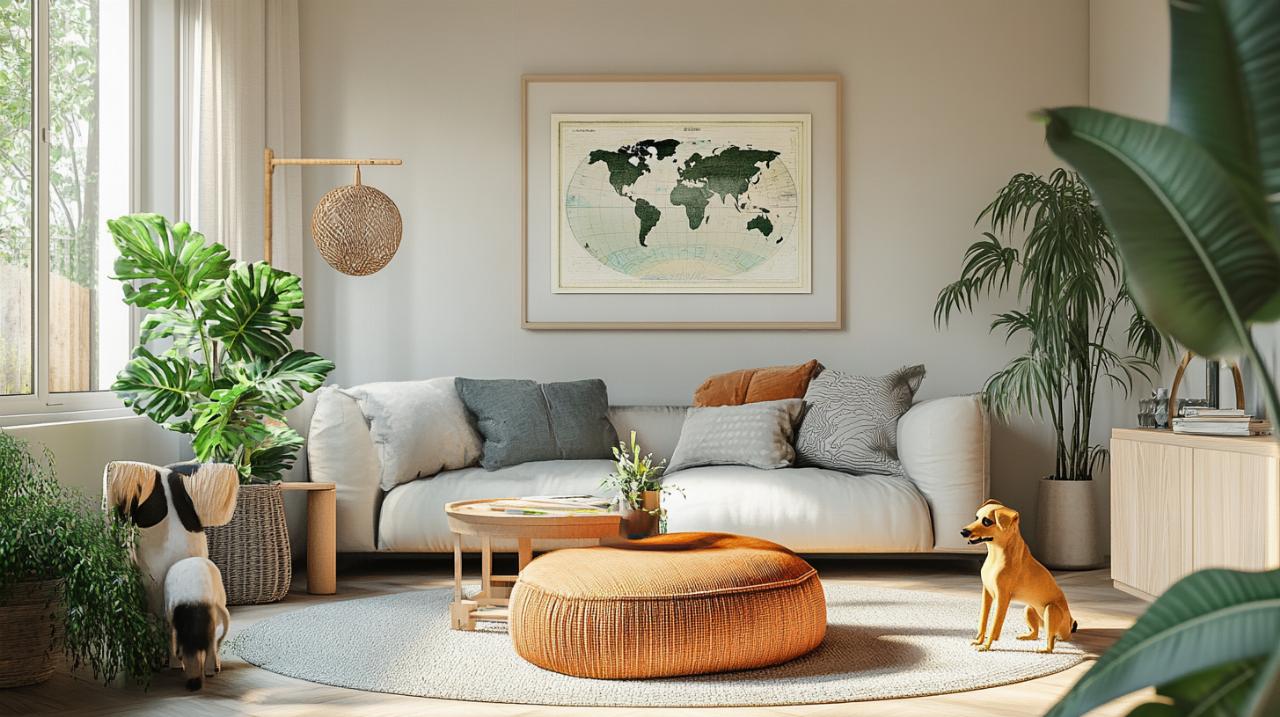
Designing a home that harmoniously balances aesthetics with the needs of your furry companions can transform your living space into a haven for both you and your pets. The key lies in selecting the right materials, creating dedicated zones, and ensuring safety without sacrificing style. Whether you’re navigating muddy paws or managing playful scratching habits, thoughtful planning can make all the difference in maintaining a beautiful and functional environment.
Selecting durable materials and fabrics
When it comes to creating a pet-friendly interior, the choice of materials is paramount. Opt for fabrics that can withstand the daily wear and tear from active pets, such as those with a rub count of twenty thousand or more, which ensures long-lasting durability. Stain-resistant options like Aquaclean fabric offer an excellent solution, as they resist spills and marks, making them ideal for sofas and chairs. It is wise to avoid open-weave and leather fabrics, which can easily snag or scratch. Instead, consider woven patterns or washable loose covers in materials such as ticking, which not only provide resilience but also add a touch of traditional charm to your living spaces. Incorporating these practical choices allows you to enjoy a stylish home without constant worry about accidental damage.
Choosing hard-wearing flooring options
Flooring is one of the most critical aspects of a pet-friendly home, as it must endure muddy paws, scratches, and occasional accidents. Luxury Vinyl Tile, or LVT, has become a popular choice due to its wipeable surface and ease of cleaning. Alternatively, tiles or wood-effect flooring can offer a sophisticated look while remaining practical. For those who prefer a softer underfoot feel, soft sisals or patterned carpets are making a comeback, adding warmth and texture to your rooms. If you are particularly concerned about cleanliness, layering an inexpensive, washable flat weave rug on top of fitted carpets can provide an easy-to-clean solution that also adds visual interest and depth to your interiors.
Opting for stain-resistant upholstery
Upholstery choices can make or break the comfort and longevity of your furniture. Selecting stain-resistant materials not only protects your investment but also allows for a more relaxed living environment. Fabrics that repel spills and resist staining are essential, particularly in homes where pets and children coexist. Additionally, washable loose covers offer the flexibility to refresh your furniture with minimal effort. Vintage Anatolian fabric or rugs draped over sofas can add character while serving a protective function. By combining beauty with practicality, you ensure that your living spaces remain both inviting and resilient, even in the face of daily challenges posed by your beloved pets.
Creating dedicated pet spaces
Establishing designated areas for your pets not only helps keep your home organised but also provides your animals with a sense of security and belonging. Dead spaces, such as corners or underutilised nooks, can be transformed into cosy pet zones with minimal effort. These dedicated areas allow you to manage pet paraphernalia efficiently, reducing clutter throughout the rest of your home. By integrating these spaces thoughtfully into your overall design, you create a harmonious environment where both you and your furry friends can thrive.
Designing comfortable resting areas
Every pet deserves a comfortable place to rest and recharge. Cats, for instance, sleep around sixteen hours a day, making it essential to provide them with snug, quiet spots where they can retreat. Consider creating soft, cushioned areas with blankets and beds that complement your existing décor. Dogs, too, benefit from having their own resting zones, whether it be a built-in kennel or a dedicated corner with a plush bed. By thoughtfully designing these areas, you ensure that your pets feel at home while maintaining an attractive and orderly living space. Comfort and style need not be mutually exclusive when planning these essential pet-friendly features.
Organising feeding and storage stations
Keeping pet food, toys, and accessories neatly stored is vital to maintaining a tidy home. Colour-coordinated boxes or baskets can help you organise these items in a visually appealing manner, ensuring that everything has its place. Designating a specific feeding station, perhaps in a less prominent area of your kitchen or utility room, helps to contain spills and mess. This approach not only streamlines your daily routine but also contributes to a cleaner, more efficient household. Secure storage solutions prevent potential hazards, such as pets accessing food or toys that could pose risks. By integrating these practical elements, you create a pet-friendly home that is as functional as it is beautiful, making daily life with your animals more enjoyable for everyone involved.
Ensuring pet safety throughout your home
Safety is a fundamental concern when designing a pet-friendly interior. Many common household items and plants can pose serious risks to animals, so it is crucial to be aware of potential hazards. Taking the time to identify and mitigate these dangers ensures that your pets can explore their environment freely without coming to harm. Simple adjustments, such as securing cabinets and choosing non-toxic greenery, can make a significant difference in creating a safe haven for your furry companions.
Selecting pet-safe plants and greenery
Introducing greenery into your home adds life and colour, but not all plants are safe for pets. Lilies and English Ivy, for example, are known to be toxic to animals and should be avoided. Instead, opt for non-toxic houseplants like Spider Plants and Calatheas, which are both attractive and safe. Elevating plants on shelves or cabinets not only protects them from curious pets but also adds visual interest to your rooms. This thoughtful approach allows you to enjoy the benefits of indoor plants while safeguarding your pets from potential harm. By carefully selecting and positioning your greenery, you can create a vibrant, healthy living space that is welcoming to all members of your household.
Securing hazardous items and toxic substances
Beyond plants, many everyday items can be hazardous to pets if left within reach. Cleaning products, medications, and certain foods must be stored securely to prevent accidental ingestion. Implementing a system where potentially dangerous items are kept in locked cabinets or high shelves ensures that your pets remain safe. This precautionary measure is especially important in homes with inquisitive animals who may explore areas you might not expect. By being proactive about securing hazardous substances, you create an environment where your pets can roam freely without constant supervision, giving you peace of mind and allowing them the freedom to explore their home safely.
Incorporating practical pet features
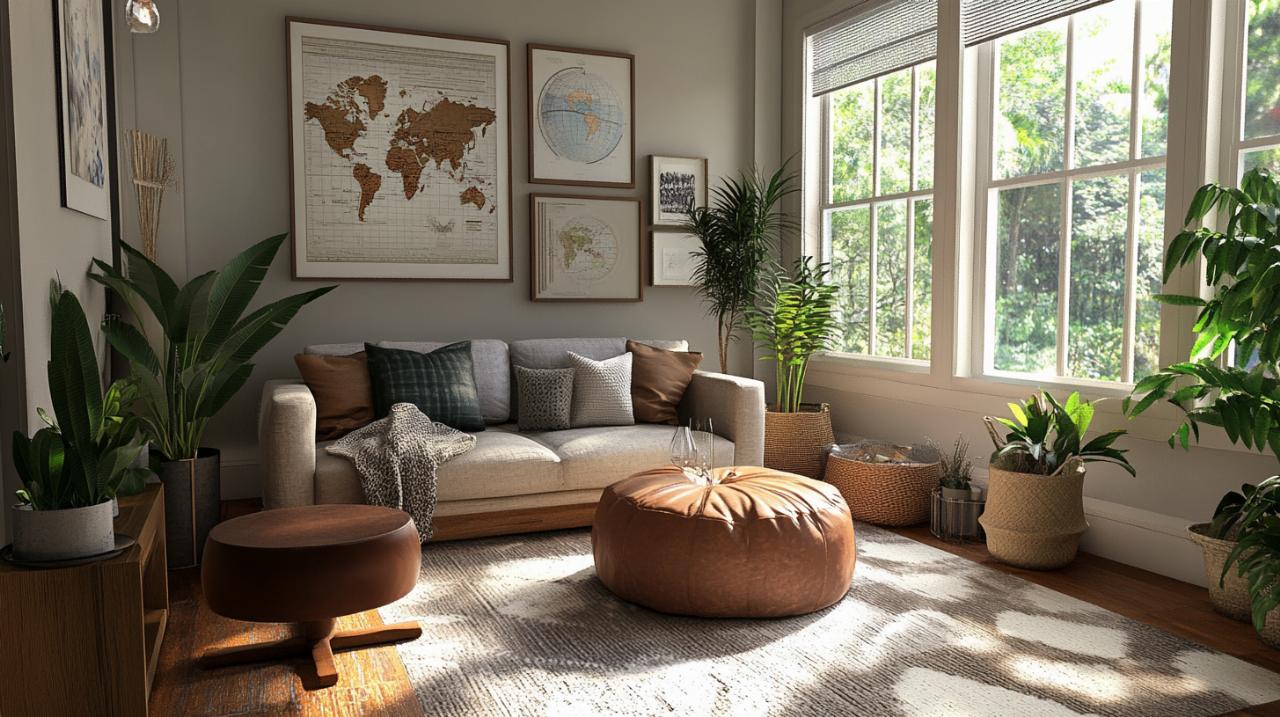
Integrating purpose-built features into your home design can significantly enhance both the functionality and comfort of your living space. From built-in kennels to strategically placed scratching posts, these additions cater specifically to the needs of your pets while maintaining a cohesive aesthetic. Thoughtful planning ensures that these elements blend seamlessly into your interiors, providing practical benefits without compromising on style.
Installing built-in kennels and scratching posts
Built-in kennels offer a discreet and stylish way to provide your dog with a dedicated resting area. These can be integrated into alcoves or under staircases, making efficient use of space while keeping your home looking tidy. For cat owners, scratching posts are essential, and they should be at least sixty centimetres tall to allow your feline friends to stretch fully. Positioning these posts in areas where your cats naturally like to scratch helps to protect your furniture and curtains. By incorporating these features into your home from the outset, you create a pet-friendly environment that is both attractive and highly functional, ensuring that your pets’ needs are met without detracting from your overall design vision.
Planning easy access to outdoor spaces
Ensuring that your pets have easy access to outdoor areas is crucial for their wellbeing and for maintaining a clean home. Installing a pet door or creating a dedicated route to the garden allows your animals to come and go as they please, reducing the likelihood of accidents indoors. This is particularly beneficial for dogs who need regular outdoor time for exercise and toileting. For those who enjoy pet-friendly travel tips, designing your home with seamless indoor-outdoor transitions can also make it easier to manage your pets’ routines, whether you are at home or on the move. By planning these access points thoughtfully, you create a more relaxed and harmonious living environment that caters to the natural behaviours of your pets while preserving the cleanliness and order of your interiors.
Maintaining a Clean and Healthy Environment
A clean home is not only more pleasant to live in but also contributes to the health and happiness of both you and your pets. Regular maintenance routines, combined with smart design choices, can help you manage the inevitable mess that comes with sharing your home with animals. By focusing on natural light, ventilation, and grooming, you can create a living space that feels fresh and inviting at all times.
Establishing regular grooming routines
Regular grooming is essential for reducing shedding and maintaining a cleaner home environment. Brushing your pets frequently helps to remove loose fur before it ends up on your carpets and furniture, making a noticeable difference in the amount of cleaning required. Bathing your animals as needed also helps to keep them fresh and reduces the transfer of dirt and allergens into your home. Establishing a consistent grooming routine not only benefits your pets’ health and appearance but also makes your living space more pleasant for everyone. This simple yet effective practice is a cornerstone of any pet-friendly home, ensuring that cleanliness and comfort go hand in hand.
Maximising natural light and ventilation
Natural light and good ventilation are vital components of a healthy living environment. Bright, airy spaces not only feel more welcoming but also help to reduce odours and improve air quality. Opening windows regularly and using light, breathable fabrics can enhance the flow of fresh air throughout your home. For homes with pets, this is particularly important, as it helps to mitigate any lingering smells and creates a more comfortable atmosphere. Maximising natural light can also lift your mood and that of your pets, contributing to a happier, healthier household. By prioritising these elements in your design, you create a space that feels both refreshing and nurturing for all its inhabitants.
Personalising your pet-friendly space
While practicality and safety are crucial, personalising your home allows you to celebrate the unique bond you share with your pets. Incorporating elements that reflect your love for your animals can make your living space feel warmer and more inviting. Striking the right balance between style and functionality ensures that your home remains a beautiful sanctuary for everyone who lives there.
Incorporating pet-themed décor elements
Adding pet-themed décor is a delightful way to showcase your affection for your furry friends. Whether it is a piece of artwork, a decorative pillow, or a charming photograph, these touches add personality and charm to your interiors. The key is to integrate these elements in a way that complements your overall design scheme rather than overwhelming it. Subtle nods to your pets, such as paw print patterns or tasteful animal motifs, can enhance the character of your home while maintaining a sophisticated look. By thoughtfully selecting décor that resonates with your personal style, you create a space that feels uniquely yours and celebrates the joy that your pets bring to your life.
Balancing Style with Practicality for Your Furry Friends
Achieving a balance between style and practicality is the ultimate goal when designing a pet-friendly home. It is entirely possible to have beautiful furnishings and elegant décor while accommodating the needs of your animals. The adaptability of English country house style, for instance, allows for a relaxed yet refined aesthetic that can withstand the daily activities of pets and children alike. By choosing quality materials, incorporating clever storage solutions, and embracing a relaxed attitude, you reduce the likelihood of disasters and create a living environment that is both stunning and liveable. This harmonious approach ensures that your home remains a source of pride and comfort, proving that you need not compromise on beauty to enjoy the company of your beloved pets every single day.
 Why Choose Tulum for Your Bachelorette Party?
 Professions That Accompany People During Their Holidays
 How to Create a Cozy Living Room Design for Winter
 Boost your online store’s conversions with visual heat maps
 Understanding the Benefits of Engaging Marketing Consulting Services
 Top digital marketing strategies to boost online growth
 Enhance Your Technology Use with Practical Tips and Guides
 Exploring home decor trends with casa idea
 Mastering two-color wall painting: tips and techniques
 Tips for designing effective construction site signs
 Exploring the Intersection of Fashion and Technology in Modern Shopping
 Discover the Best Hiking Trails in Vendée for Outdoor Enthusiasts
 Exploring compact coffee makers: efficient design and superior value
 How street fashion influences urban culture across the globe
 Essential beauty tips for achieving healthy skin naturally
 Exploring the Health Benefits of Meditation for Improved Well-being
 Explore Sustainable Living Practices for a Greener Lifestyle
 Essential Meal Planning Tips and Tricks for Budget-Friendly Dining
 Creative home decor tips to elevate your living space
 How to Find the Best Deals for Your Budget on Garden Furniture
 Exploring Eco-Friendly Fashion Trends for a Sustainable Wardrobe
 How to Use a Price Comparison Website for Electronics to Save Money
 Comprehensive Guide to Choosing the Right Beach Volleyball Ball
 Smart Shopping Tips for Dressing Stylishly Without Breaking the Bank
 Effortless Ways to Style Military Sleeveless Shirts for Any Occasion
 Creative presentation ideas for your monthly book subscription
 The Tallest and Longest Water Slide in the World: How International Regulations Keep Riders Protected
 Choosing the Best Photography Style for Your Wedding