
Sustainable Maritime Innovation: How Casse Marine and Epur with Aper Are Championing Green Yachting
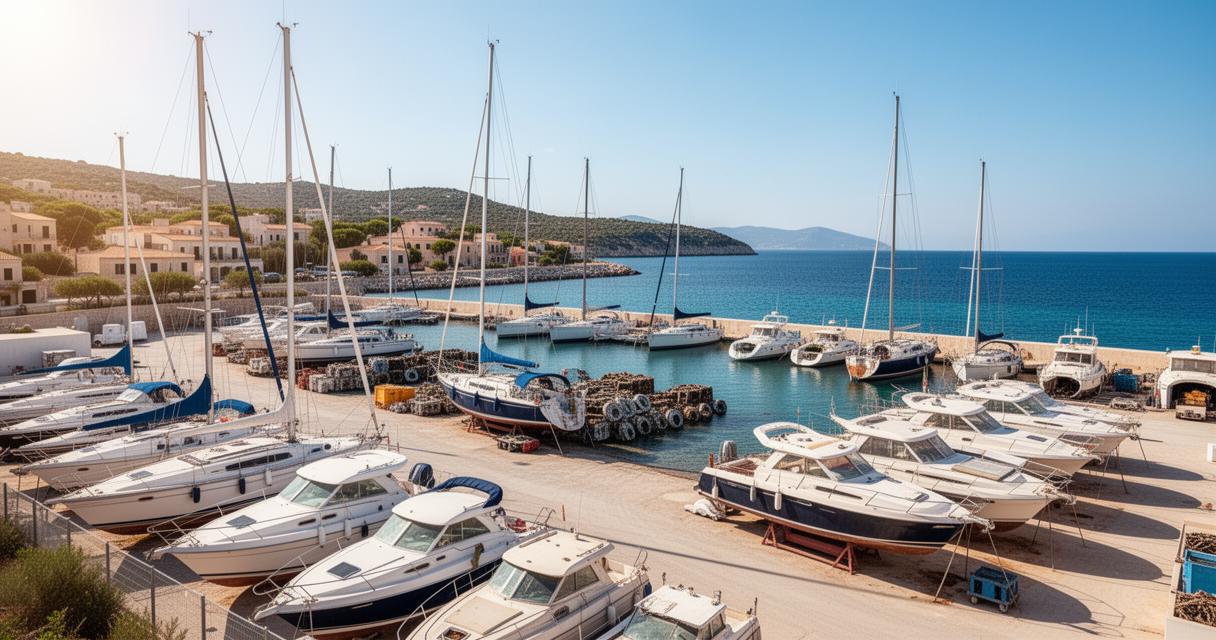
The yachting world is quietly rethinking how boats are built, maintained and eventually dismantled, with sustainability moving from a marketing slogan to a genuine engineering priority. Behind the glossy decks and polished hulls lies a growing awareness that maritime activity carries a real ecological cost, and that owners, builders and maintenance specialists all have a part to play in reducing it.
In brief
- The yachting industry is shifting towards sustainability by integrating ecological considerations into the design, maintenance, and dismantling phases of vessels.
- Traditional maritime waste management has historically struggled with fragmentation, lacking the coordination needed for proper sorting and resource recovery.
- Innovative technological advancements, including hybrid propulsion and solar integration, are being adopted alongside better waste management to reduce the overall environmental footprint.
- Owners are increasingly incentivized to adopt sustainable practices because eco-conscious maintenance can improve a vessel’s resale value and reduce long-term operational costs.
- This collaborative model sets a new standard for maritime stewardship, offering a practical framework for the broader industry to comply with tightening European environmental regulations.
What challenges does the yachting industry face in reducing its environmental footprint?
Casse Marine and Epur: an eco-circuit of yachting with Aper reflects a broader shift taking place across the sector, one where waste handling and resource recovery are being treated as seriously as design and performance. Maritime activity generates a surprising volume of waste, from old fittings and worn-out equipment to materials that require careful separation before they can be reused or recycled responsibly.
Understanding the maritime sector’s ecological impact
Ships and pleasure craft alike leave a mark on the marine environment that extends well beyond fuel consumption. Hulls, engines, electronics and furnishings all reach the end of their working life eventually, and what happens to them afterwards matters enormously. Across the wider industry, there is a recognised push towards green maritime technology, with alternative fuels, wind assistance and solar integration all being explored as ways to cut emissions and lessen reliance on traditional propulsion. Hull coatings and design improvements are also helping vessels move through water more efficiently, trimming fuel use along the way.
Why traditional waste management falls short at sea
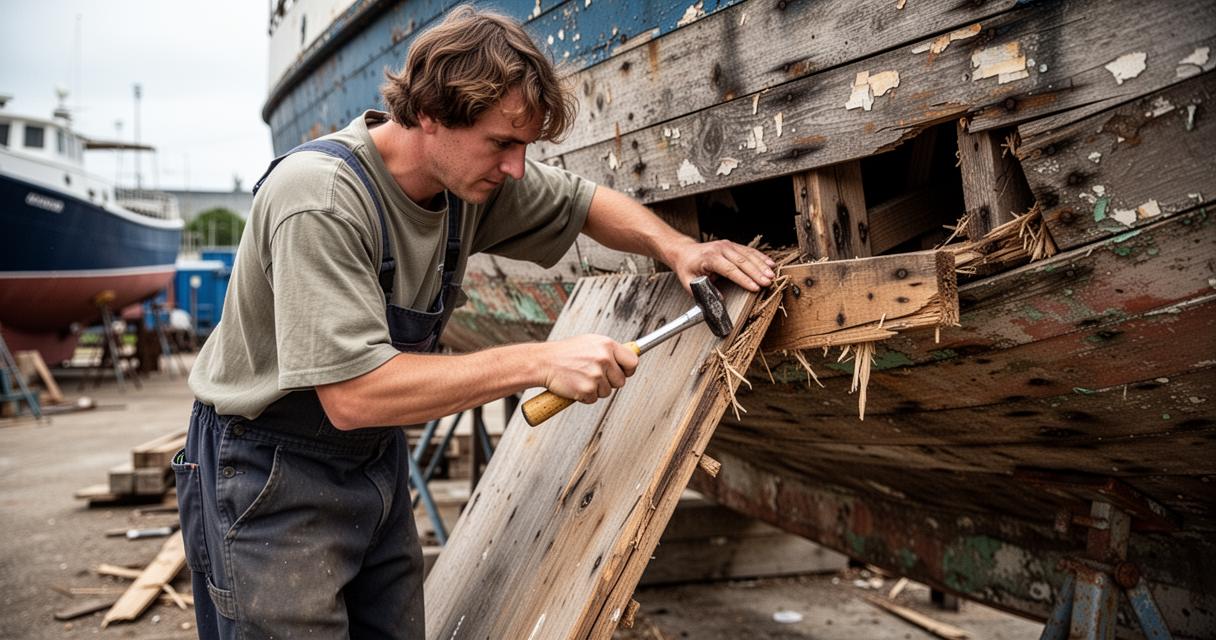
Conventional approaches to end-of-life boat materials have often been fragmented, with little coordination between the people who dismantle vessels and those capable of giving materials a second life. Effective maritime waste management requires proper sorting, treatment and traceability, something that has historically been difficult to achieve given the scattered nature of the yachting supply chain. Water treatment and disposal practices also need to meet increasingly strict expectations, both to protect marine ecosystems and to satisfy regulatory demands that continue to tighten across European waters.
How are Casse Marine and Epur transforming yacht maintenance through their partnership with Aper?
This is precisely the gap that the collaboration between Casse Marine, Epur and Aper seeks to address. By joining forces, these three partners are working to build a coherent pathway for materials that would otherwise be discarded without much thought, turning what was once treated as rubbish into a resource with genuine value.
Creating a closed-loop system for maritime waste
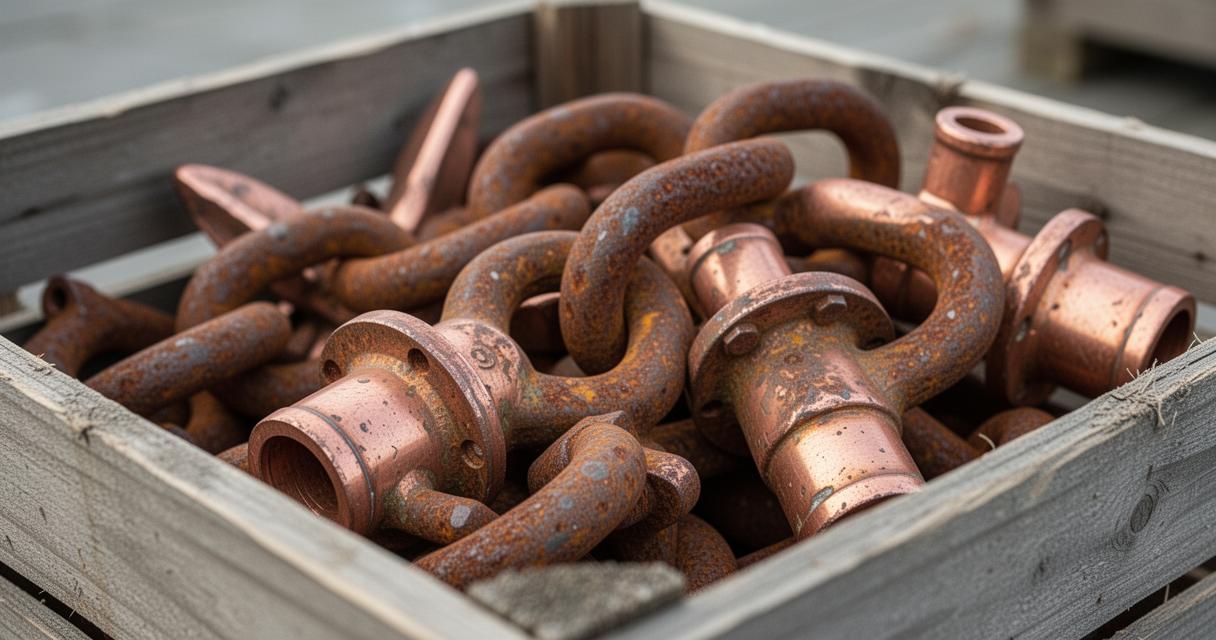
The idea behind this partnership rests on creating a circuit where materials removed from yachts during maintenance or dismantling are captured, sorted and redirected towards recycling or reuse rather than landfill. Such closed-loop thinking mirrors wider trends in sustainable shipping, where nothing is treated as truly disposable and every component is assessed for its potential second life.
Innovative solutions that prioritise ocean preservation
What sets this collaboration apart is its focus on protecting the marine environment at every stage of the process, rather than simply meeting minimum compliance standards. This approach echoes broader efforts seen across the industry, where researchers and engineers are experimenting with everything from hybrid propulsion systems to fuel cell technology in pursuit of cleaner operations. Some luxury yacht builders have already introduced propulsion systems designed to cut navigation emissions substantially, while others are trialling electrical systems that allow vessels to generate power quietly while stationary. These developments, taken together, suggest an industry increasingly willing to invest in genuine environmental progress rather than superficial gestures.
What does this eco-circuit mean for the future of responsible boating?
For those who own or maintain yachts, initiatives such as this one offer a practical route towards more responsible ownership, without requiring a complete overhaul of how vessels are used day to day.

Benefits for yacht owners embracing sustainable practices
Owners who engage with environmentally conscious maintenance providers can feel confident that materials removed from their vessels are handled with proper care rather than simply discarded. There is also a growing financial logic to this approach, since vessels maintained with sustainability in mind tend to hold their value more effectively as buyers increasingly favour eco-conscious options. Lower long-term running costs, reduced waste handling fees and alignment with tightening environmental standards all make this a sensible direction for owners to consider, particularly as regulatory expectations across the maritime sector continue to evolve.
Setting new standards in maritime environmental stewardship
Beyond individual owners, this kind of partnership sets a precedent for how the wider yachting industry might operate in future. As maritime decarbonisation becomes a more pressing priority across Europe, initiatives that demonstrate practical, workable solutions to waste and material recovery offer a template others can learn from. The collaboration between Casse Marine, Epur and Aper stands as an example of how specialist expertise, when combined thoughtfully, can produce outcomes that benefit both the industry and the marine environment it depends upon. As more stakeholders recognise that sustainability and craftsmanship are not mutually exclusive, initiatives of this kind seem likely to multiply, gradually reshaping expectations around how yachts are built, maintained and eventually retired from service.
 Costa Rica rental car with Jumbocar; Way to enhance your travel experience?
 Discover Europe on a Motorcycle: A Royal Enfield Adventure
 Discover the Benefits of Hiring a Private Chauffeur Service in Copenhagen
 How to Economize on Car Rentals During Your Spain Adventure
 Comprehensive vehicle maintenance tips for enhancing car performance
 Top Tips for Effective Vehicle Maintenance and Repair
 How to Ensure Safe Travel with Your Car: The Ultimate Pre-Journey Inspection Checklist
 Understanding Car Rental Rates at Santo Domingo Las Américas Airport
 Discover the Lyon Metro Map: A Guide to Underground Artistic Treasures and Station Design